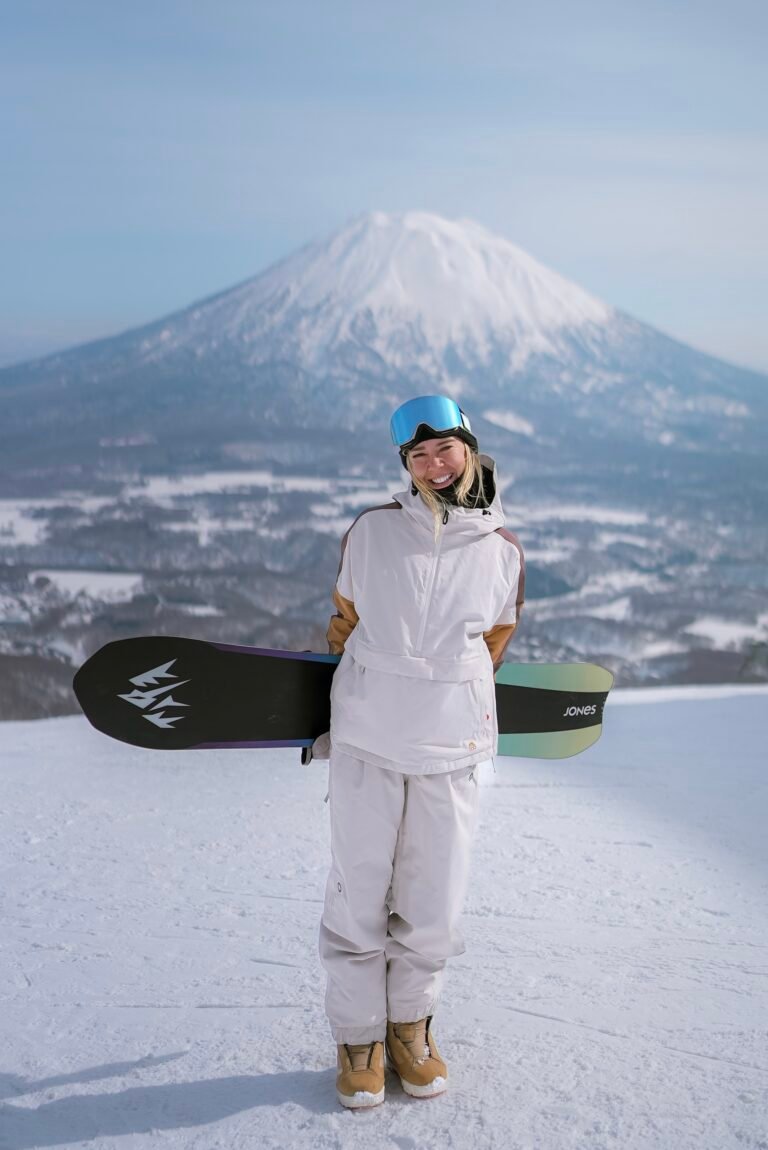
Snowboarding in Japan: 3 Weeks in Niseko, Hakuba and Beyond
Powder in Hokkaido, a $30 day at Rusutsu, Hakuba, Kyoto shrines and Tokyo vintage shops, plus everything I learned the hard way, from overweight bags to getting sick in week two.
Some links in this post are affiliate links. If you book or buy through them, I may earn a small commission at no extra cost to you. As an Amazon Associate, I earn from qualifying purchases.
The short answer
I spent three weeks in Japan in February: one week riding with my friend Charlotte in Niseko (powder every single day, a backcountry tour near Iwanai and a $30 day at Rusutsu), then two weeks with a big group of friends through Tokyo, Hakuba, Kyoto and Niseko. The snow can be unreal, but not every day is. My biggest lessons: pack light (domestic flights charge by the kilo), don’t try to see too many places, put AirTags in your bags, and prioritize sleep, because you’ll probably get sick in week two.
Three weeks in Japan this winter… and I’m still not over it.
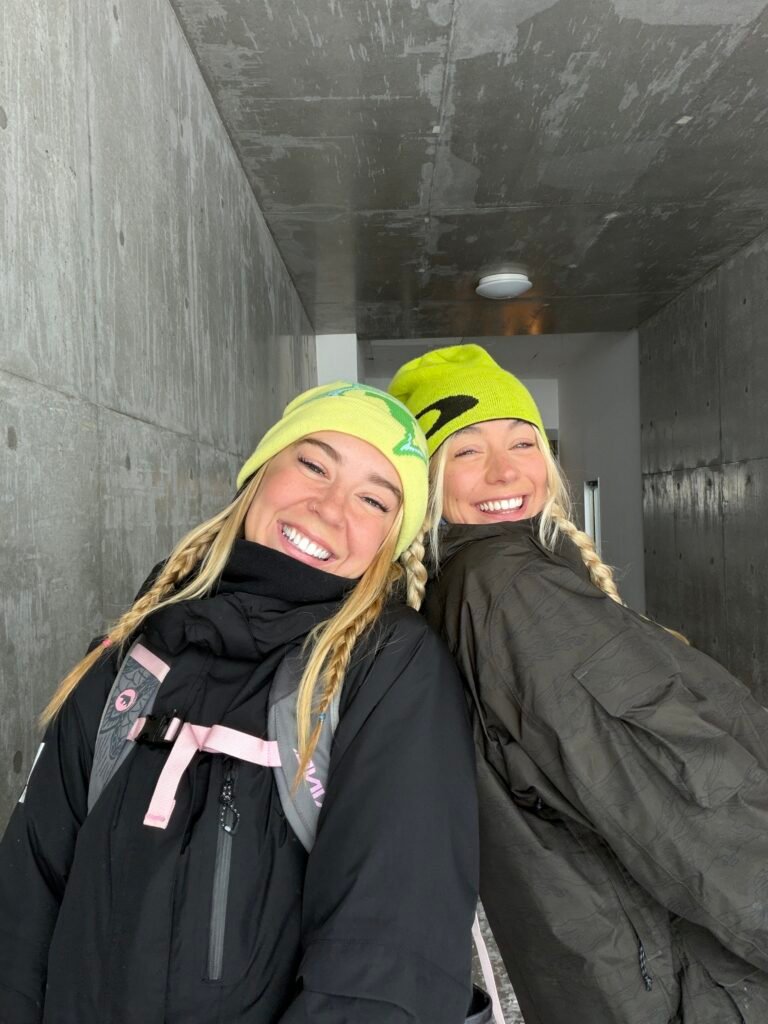
The last time our whole crew went on a trip together was Big Sky, back in 2020. We’re friends from my college ski and snowboard club, we’ve known each other for around 10 years, and I used to live in Colorado with them. We used to do a big trip every year. Then life happened, I moved away, and all of a sudden it had been years. So this winter, we went big: Japan.
Before everyone landed, I spent a week chasing powder around Hokkaido with my friend Charlotte. Then it was two weeks of Tokyo, Hakuba, Kyoto and Niseko with about 11 of my favorite people. Here’s how it all went: the powder, the food, the mistakes, the group chaos, and everything I’d do differently next time.
Our route
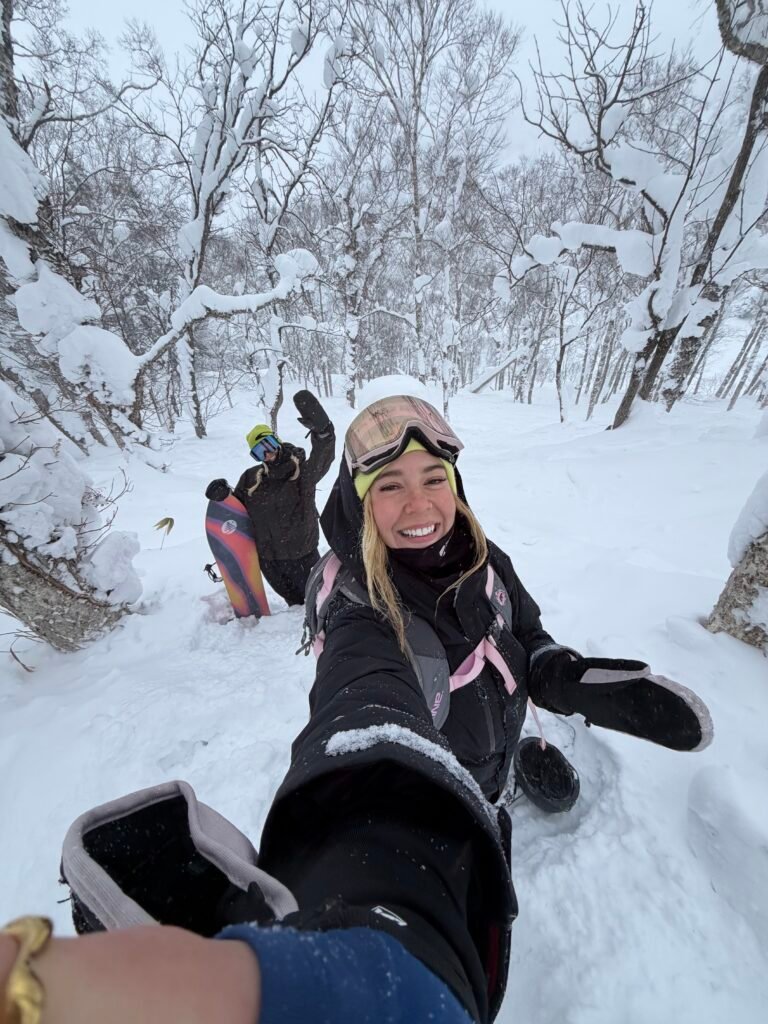
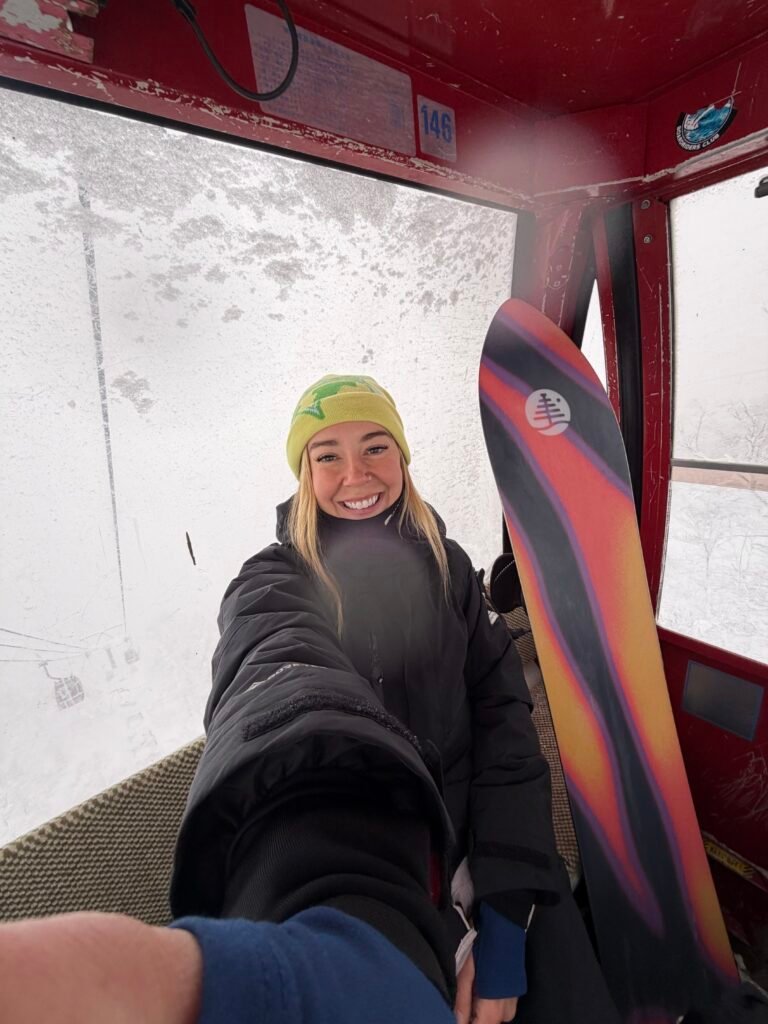
Week one was just me and Charlotte in Hokkaido: Asahidake on day one, a lot of powder, and a day trip to Rusutsu.
Weeks two and three were the big group trip with about 11 friends from my college ski and snowboard club, including my friend Katie. We were all in the ski and snowboard club together, and we used to do a big trip every year. We hadn’t done one in a while, so this year we went big and did Japan:
- Tokyo (2 nights): explore, eat, shop
- Hakuba (4 nights): snowboarding in the Japanese Alps
- Kyoto (2 nights): shrines, temples and a break from the snow
- Niseko, Hokkaido (5 nights): more riding, plus a backcountry day
Looking back, it was too many places in too little time, especially with all my gear. More on that below.
I split the details into separate guides, so jump to whatever you’re planning:
- Niseko guide: where to eat, drink and stay
- Backcountry snowboarding in Hokkaido
- Hakuba and the Cortina dam run
- Kyoto in 2 days
- Tokyo in 2 days
- Traveling Japan with a snowboard
- Japan culture differences and common Japanese phrases
Week one: snowboarding powder in Hokkaido
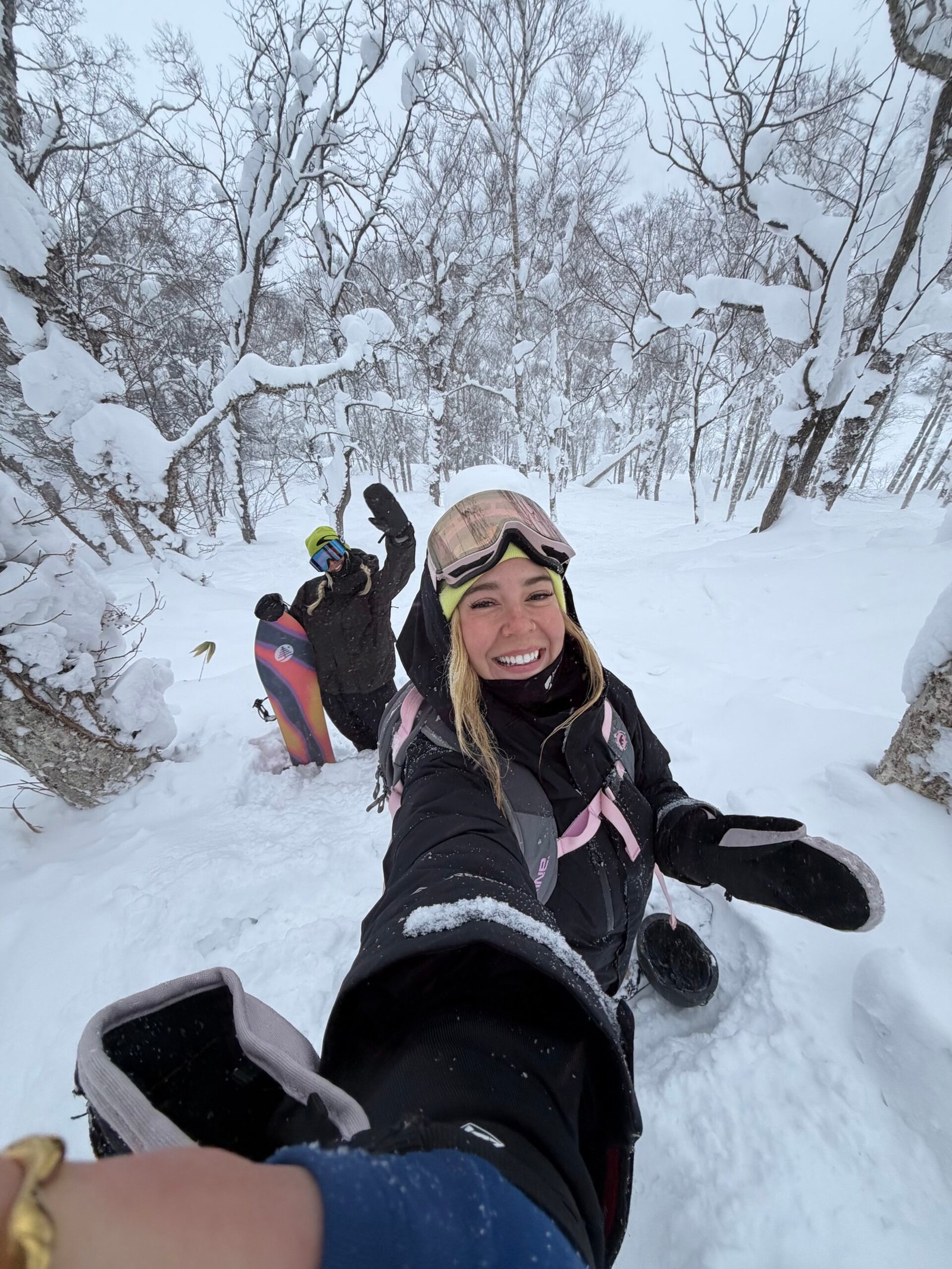
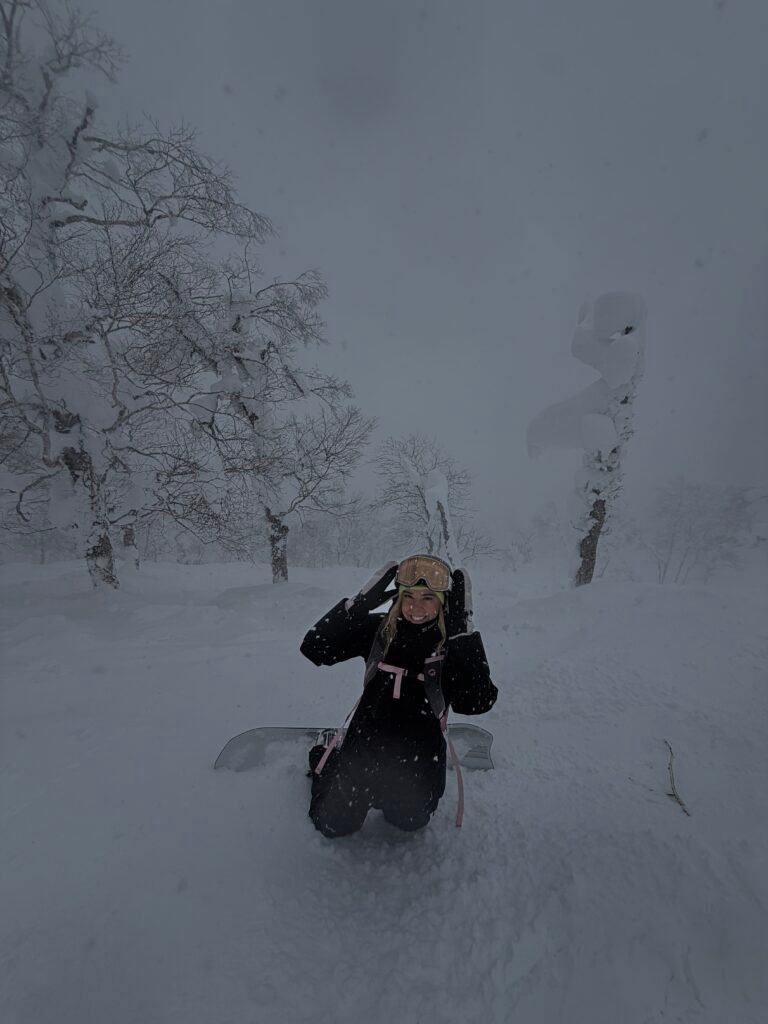
The first week was the dream. It snowed and snowed, and Charlotte and I got powder every single day. This is the Japan everyone talks about.
Where we stayed that first week (and why you want a car)
Charlotte has traveled to Japan a bunch, and a friend she met out there hooked us up with a place to stay. It was cheap and super local, and slightly out of town. We didn’t even have wifi, which was kinda inconvenient when you’re working abroad, lol.
That same friend also set us up with a van, and having a car was GAME changing. Japan’s public transport is insanely good, so don’t stress about not having a car if you plan to stay in one place. But if you want to chase snow around or have the flexibility to go see different places, I definitely recommend getting a car.
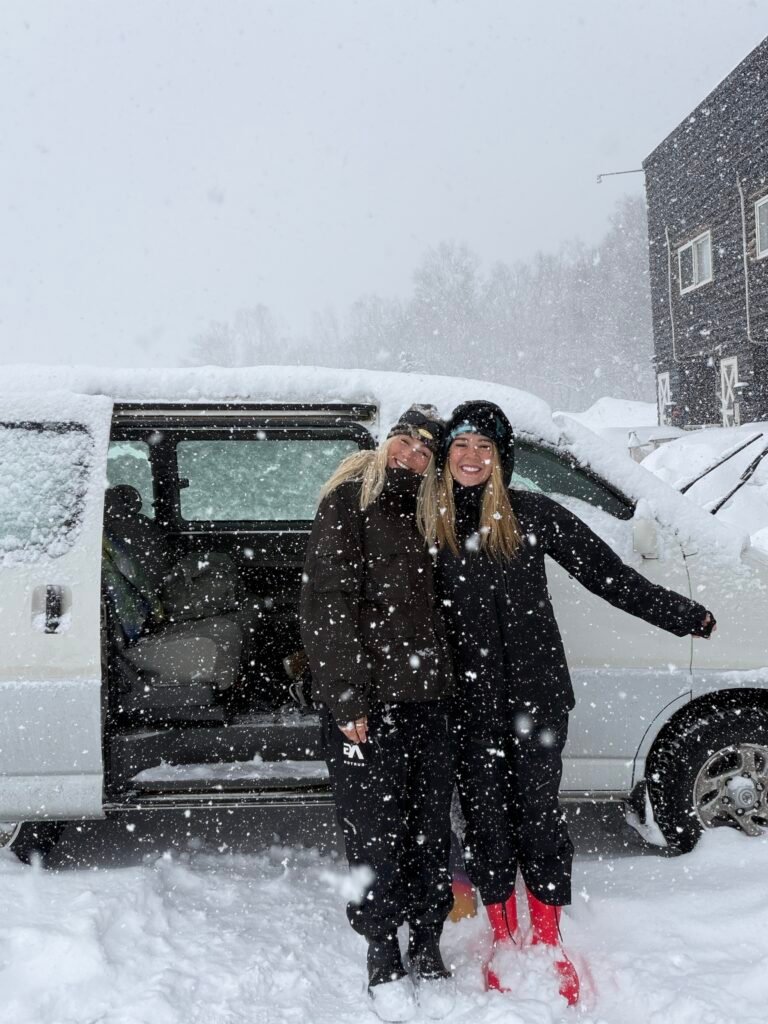
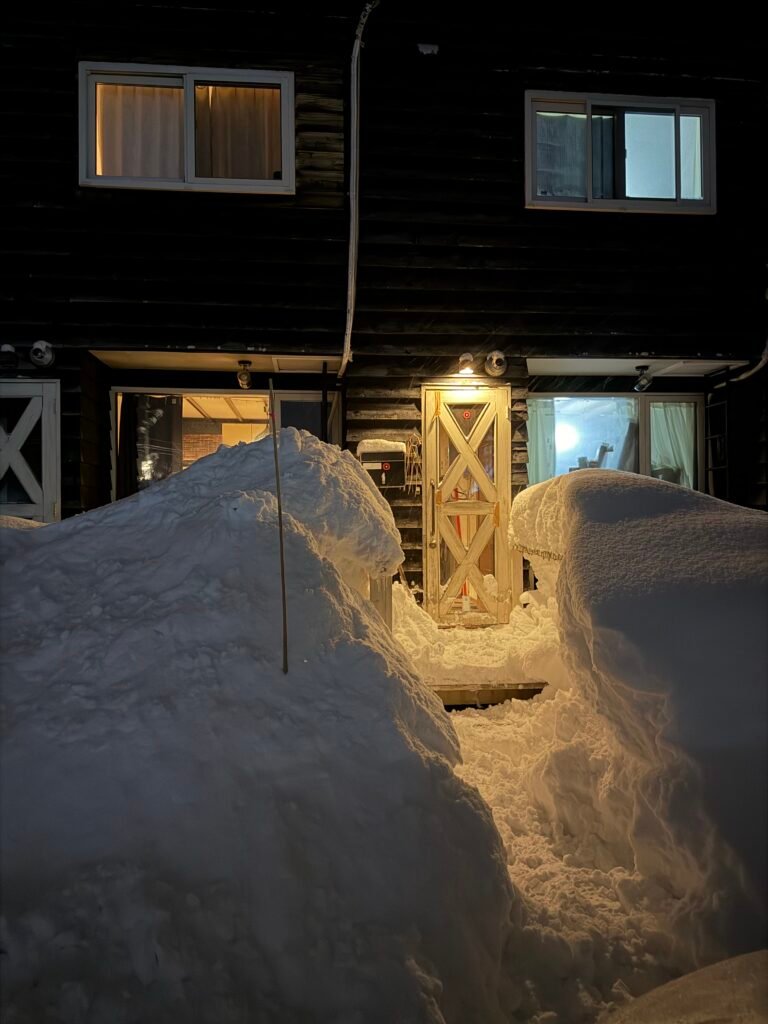
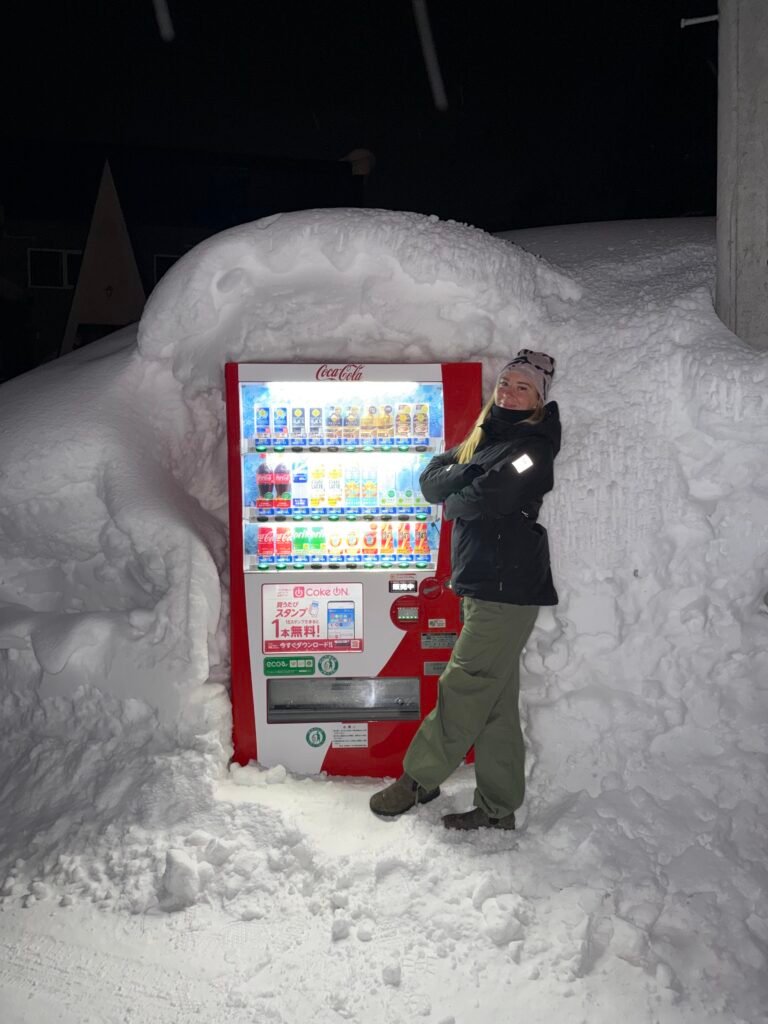
Don’t have a friend with a hookup? I put together a list of affordable places to stay with really good reviews in my Niseko guide.
Day one: Asahidake in the clouds
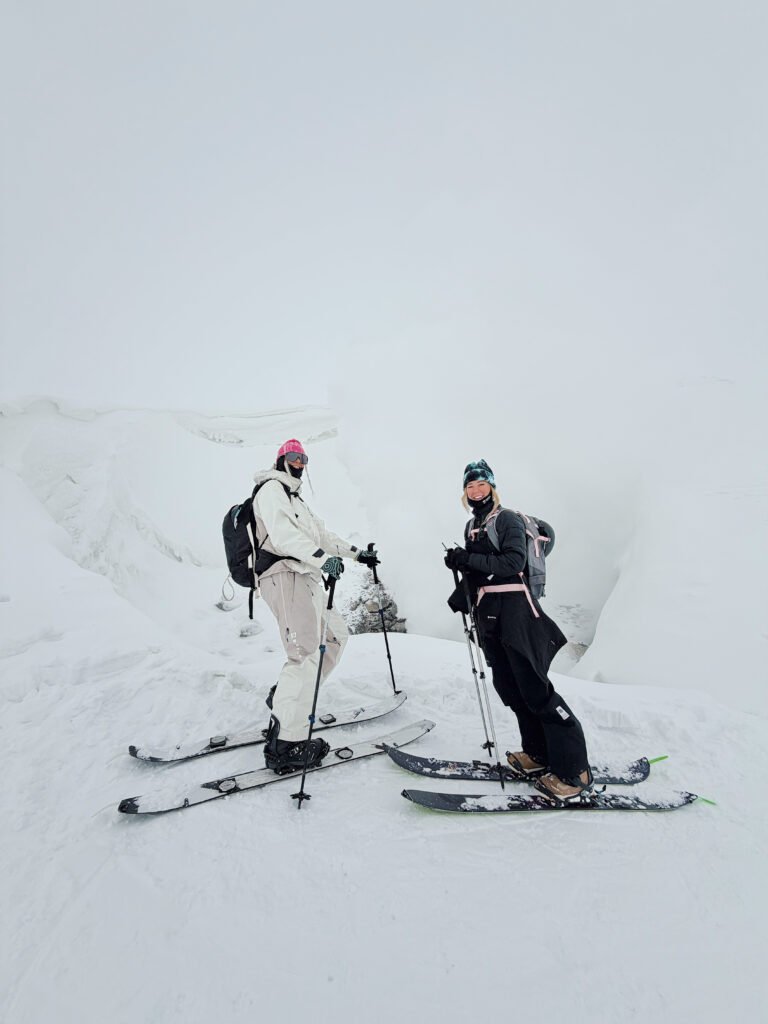
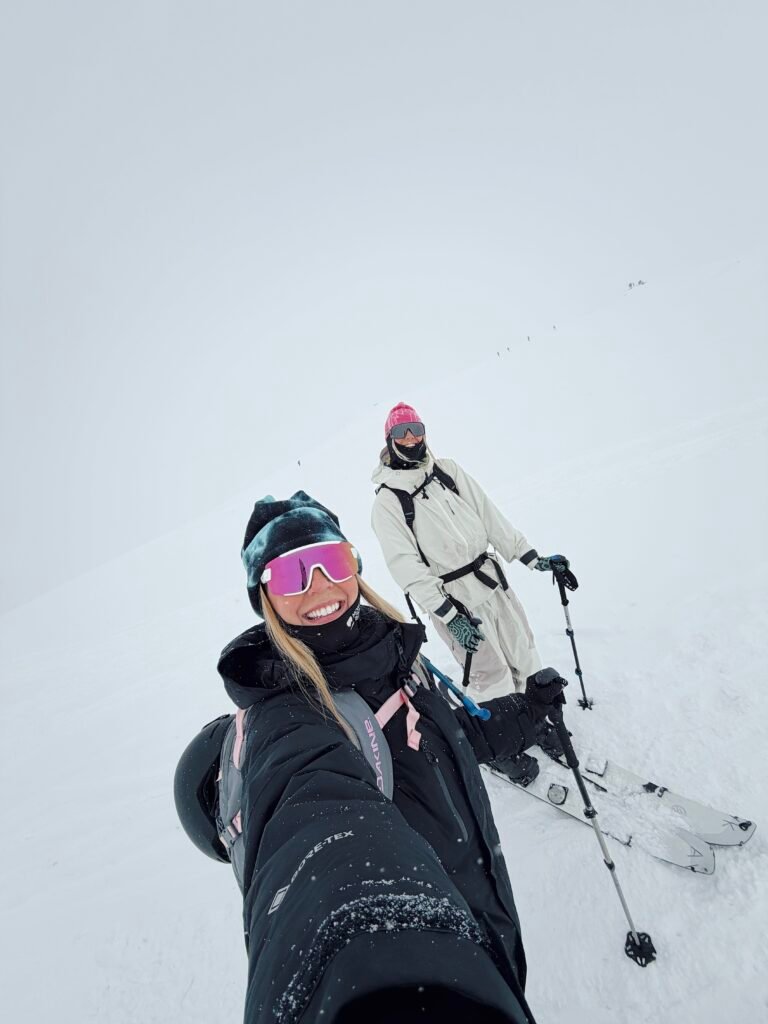
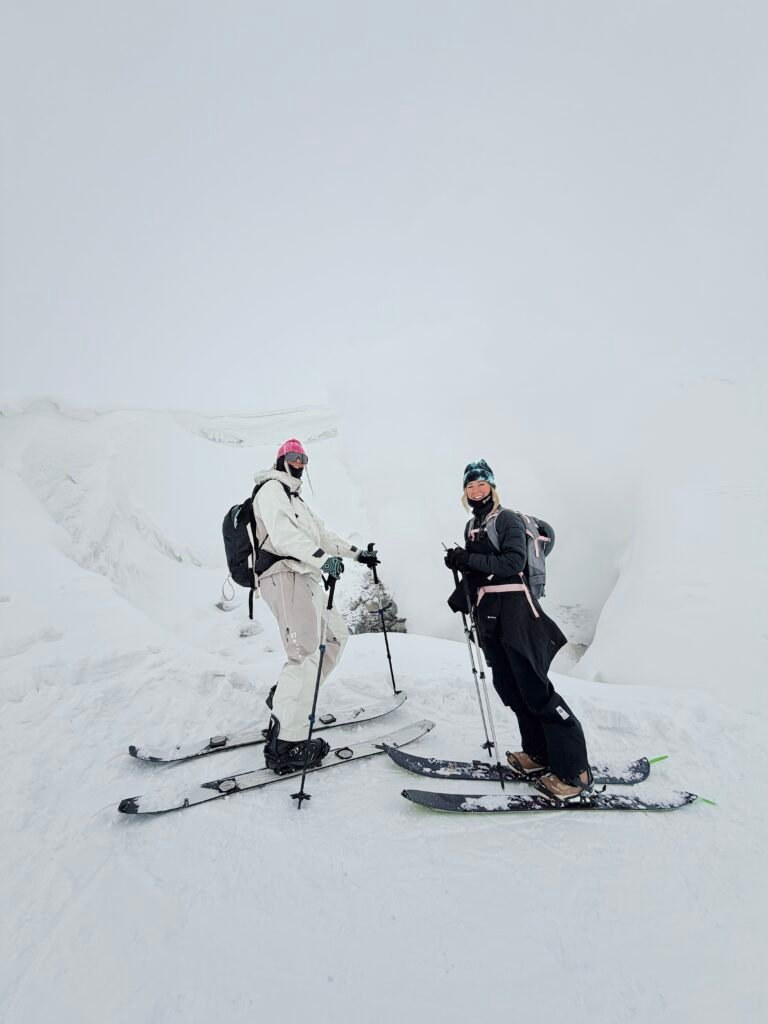
Our very first day, we rode Asahidake, hoping to see its famous volcanic steam vents, the fumaroles that puff steam out of the mountainside. The weather did not cooperate. We hiked up a little, stopped at the top in the clouds, and rode back down.
It was my first day, so it was a little brutal. My advice: take it easy the first few days so you can adjust to the time change. Don’t plan your hardest day first.
A day at Rusutsu
One of the best surprises was a day at Rusutsu. Lift tickets were about $30, which is insane compared to resorts back home, and it’s a really nice resort. It’s also the one with the theme park rides that sit there all winter, so it looks like an abandoned amusement park right next to the runs. You can actually ride past it. We thought about it but didn’t make it over there, so that’s on my list for next time.
Backcountry at an abandoned ski resort near Iwanai
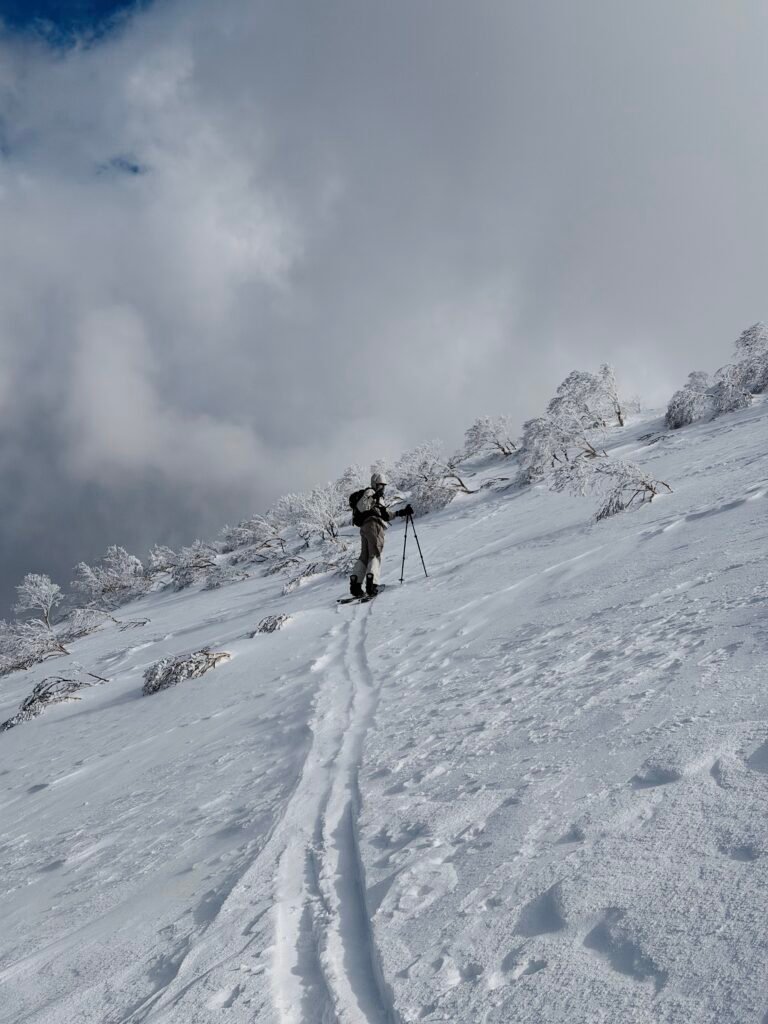
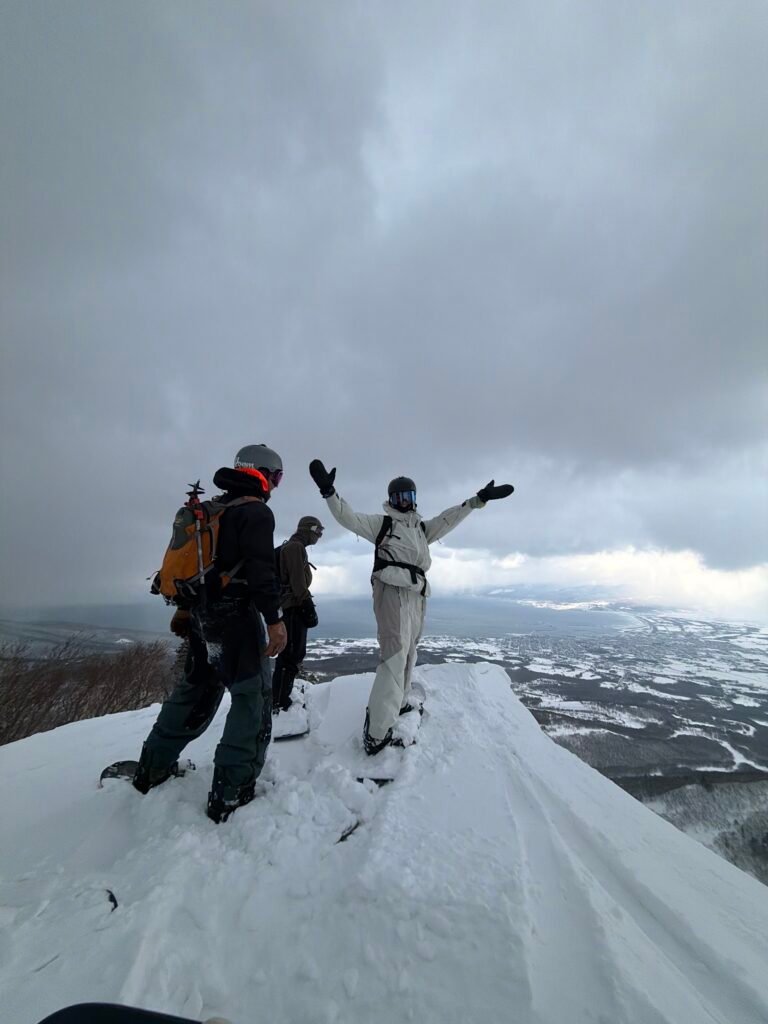
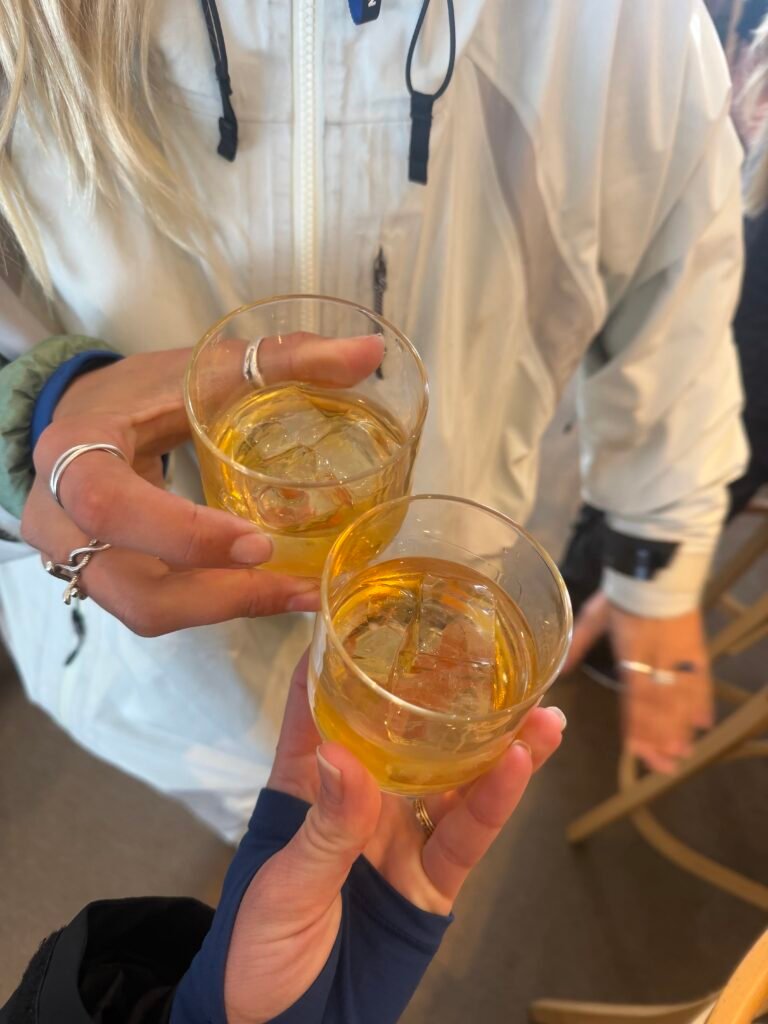
Our first-week backcountry day was the highlight of the whole trip: about 3,000 vertical feet of climbing at an abandoned ski resort near Iwanai, right next to a cat-skiing resort, and then plum whiskey by the fire at the bar after. It was SO good.
Read more: Backcountry snowboarding in Hokkaido
Snowboarding in Niseko: the Vail of Japan (and a town full of Australians)
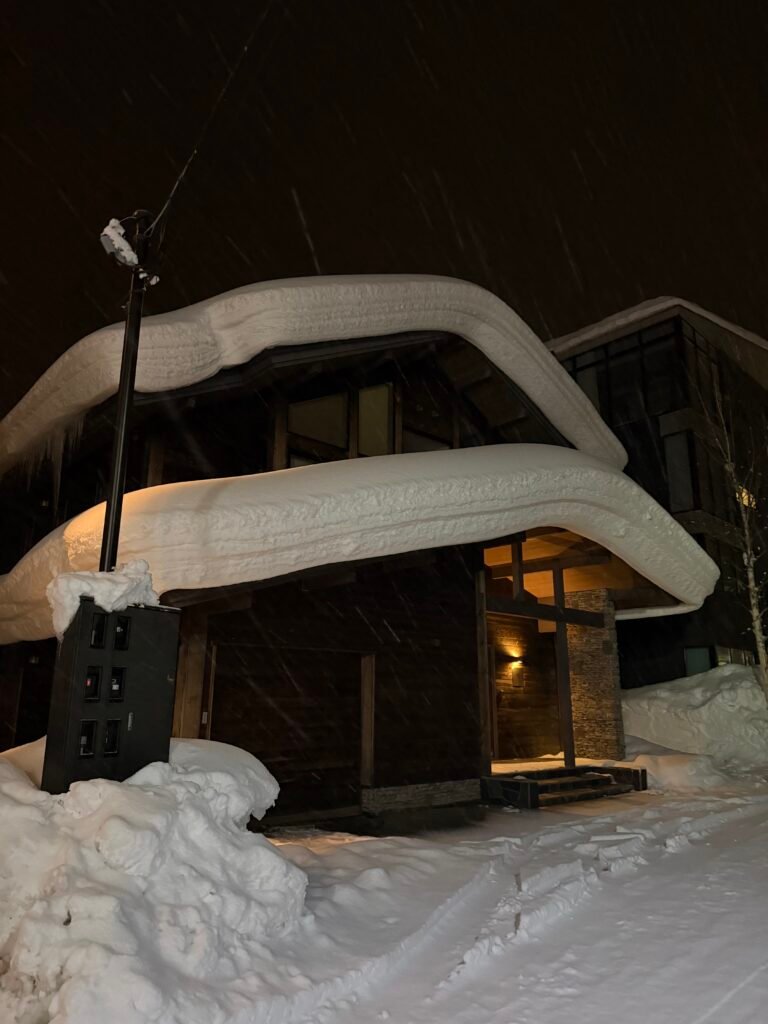
Niseko is basically the Vail of Japan: four connected resorts (Grand Hirafu, Hanazono, Niseko Village and Annupuri), it’s on the Ikon Pass, and it’s a town full of Australians, lol. Food on the mountain was surprisingly affordable (about $15 for lunch, max), the food trucks are the main dinner plan, and night riding in a snowstorm felt so nostalgic. I hadn’t done that since I lived in Virginia. Keep an ear out for the sweet potato truck, too. It drives around town playing a cute little song you can hear from far away.
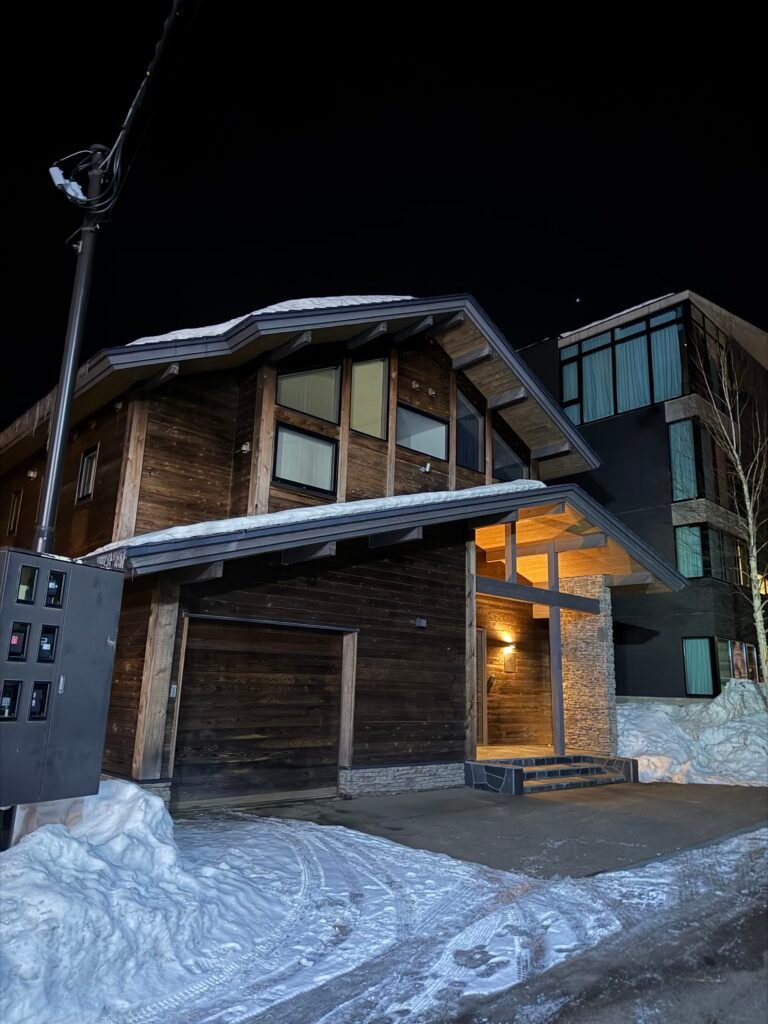
We spent the last five nights there as a group at Chalet Billopp in Hirafu. I put all our favorite ramen spots, bars, onsens and places to stay into one guide.
Read more: Niseko guide: where to eat, drink and stay
The backcountry day that wasn’t
Our second backcountry day, a guided day at the end of the trip (about $310 per person), got iced out. We basically went up the resort, came back down, and went to a distillery and an onsen instead, lol.
Honest truth: not every day in Japan is amazing. My first week was powder every day, and by the end of the trip it had gotten pretty crappy. Weather is weather, even in Japan. If backcountry is a big goal, keep your dates flexible and go with a guide.
Read more: Backcountry snowboarding in Hokkaido
Snowboarding in Hakuba
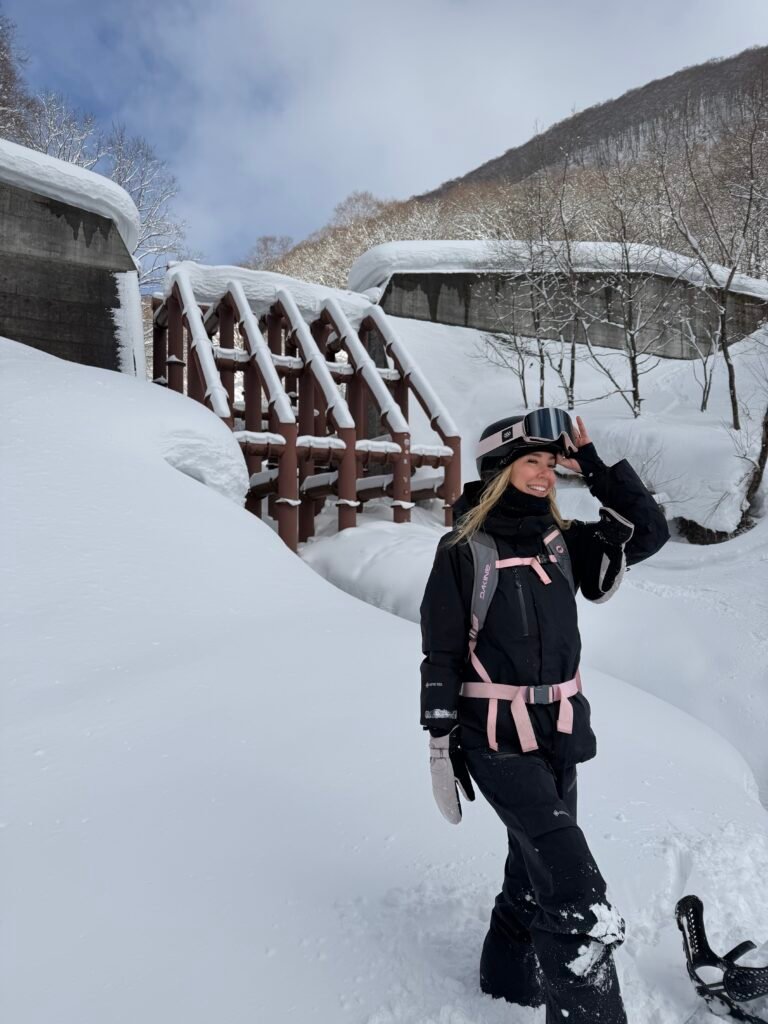
Our first snow stop with the group was Hakuba, in the Japanese Alps. We stayed four nights at The Owl Nest in Otari, just north of the main Hakuba area, and rode Hakuba Cortina and Norikura. I only got about two days in, since I was sick and conditions were bad, but we did get to ride through the dam at Cortina.
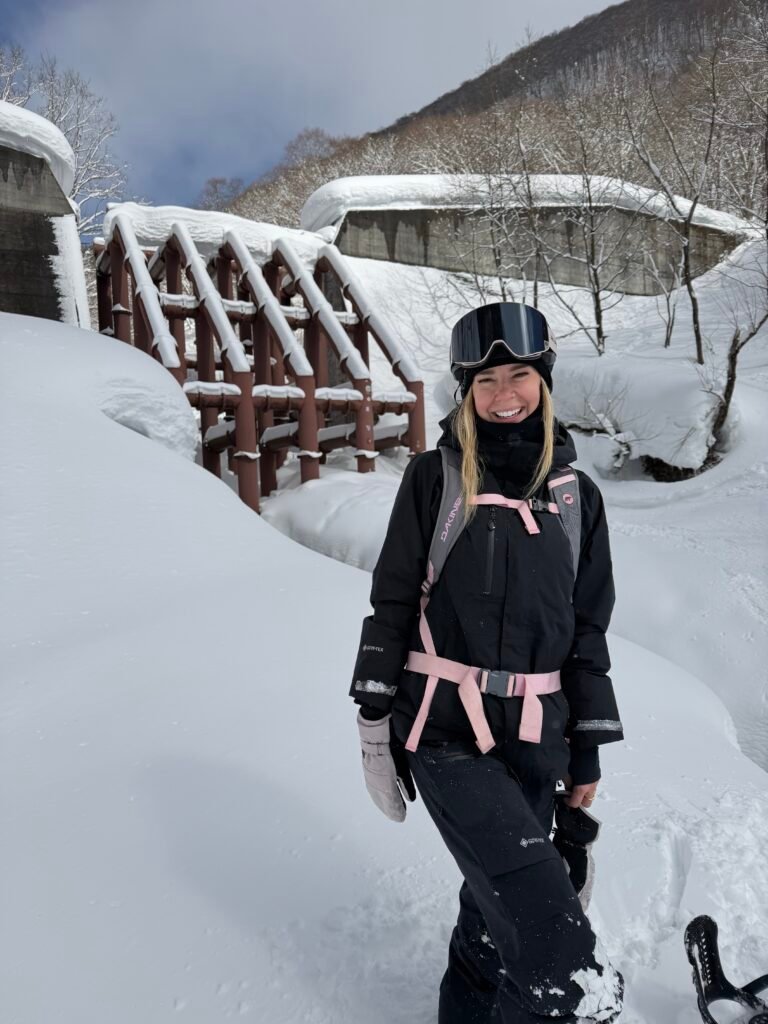
Read more: Snowboarding in Hakuba: riding the dam run at Hakuba Cortina
Kyoto: shrines, stamp books and a break from the snow
Kyoto was our two-night break from the snow. We stayed at Ryokan Sawaya Honten near the shrines, collected shrine stamps in little stamp books (about 800–1,000 yen each), and went to a huge temple market. Just check the market dates before you go.
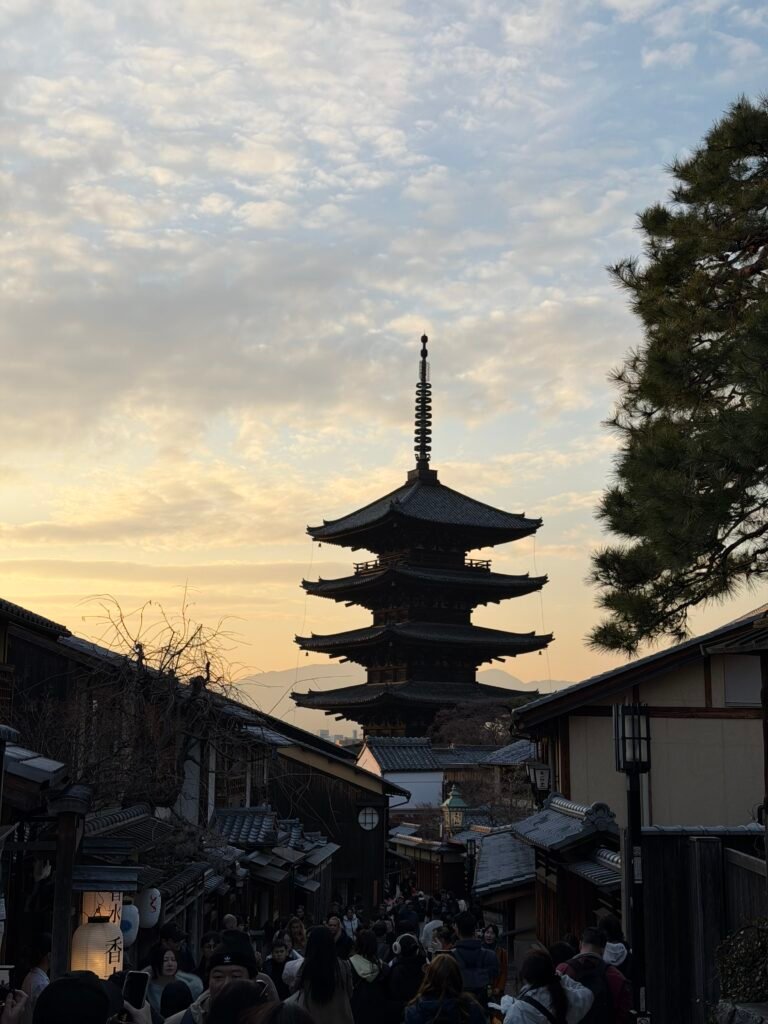
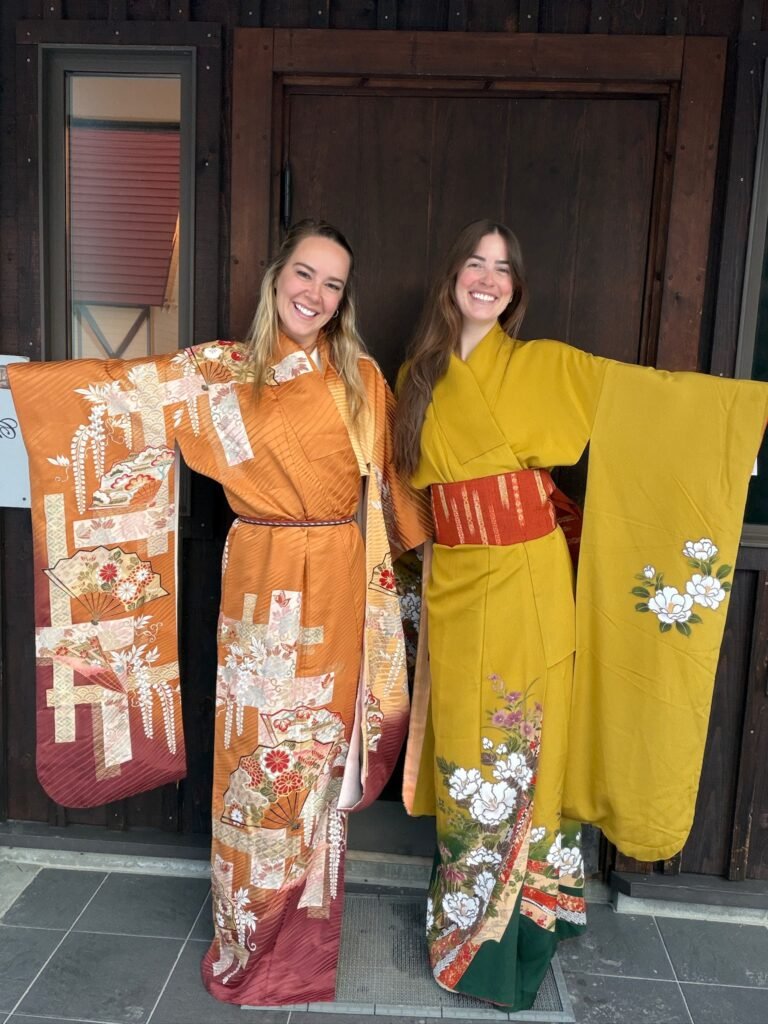
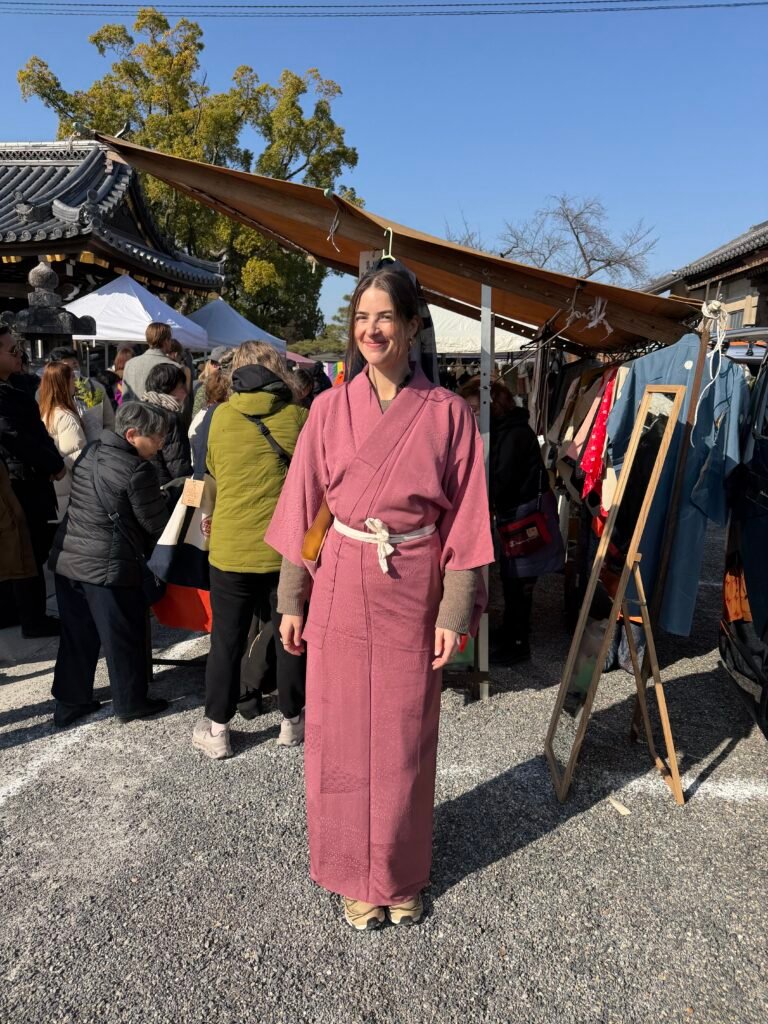
Read more: Kyoto in 2 days
Tokyo
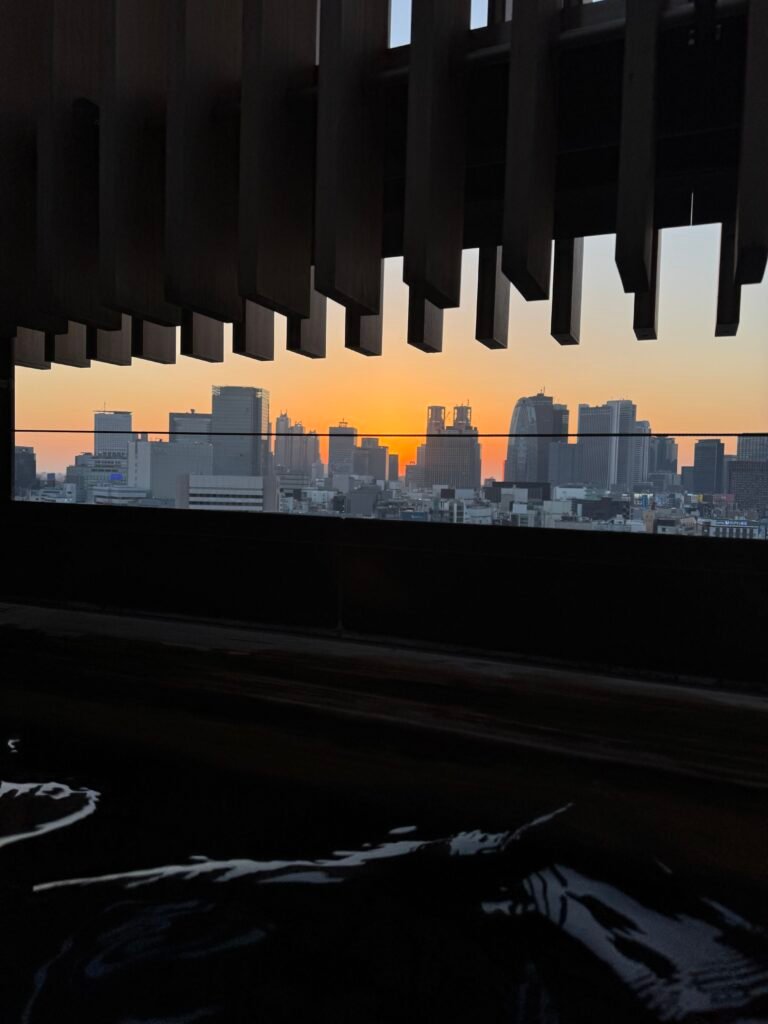
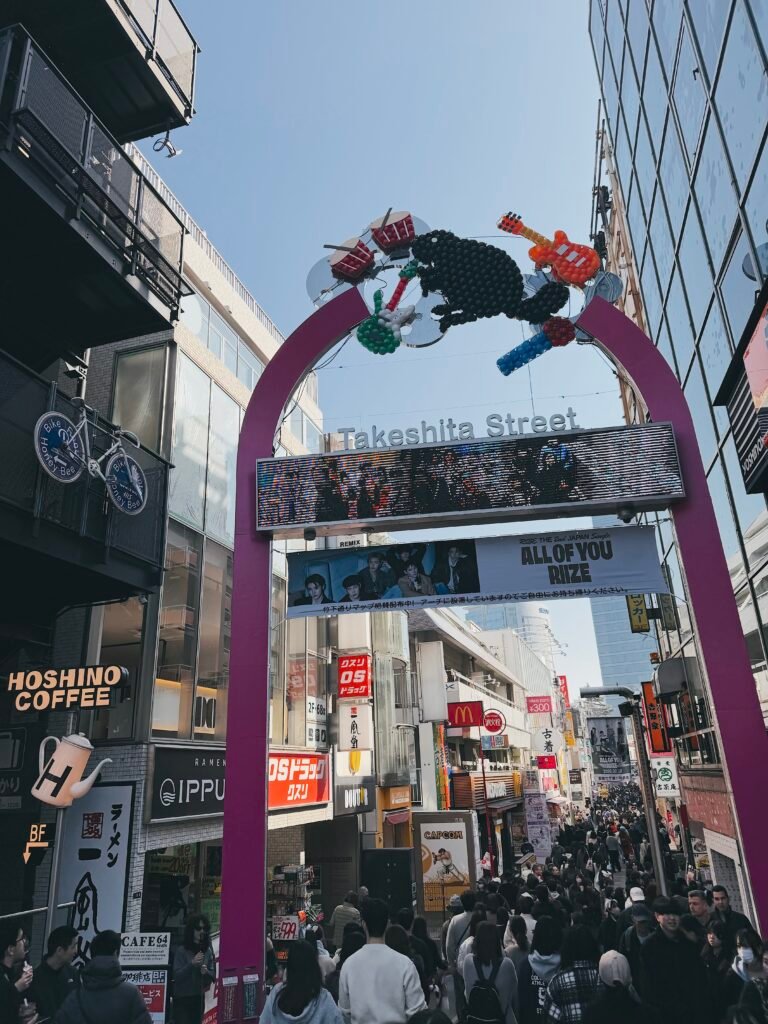
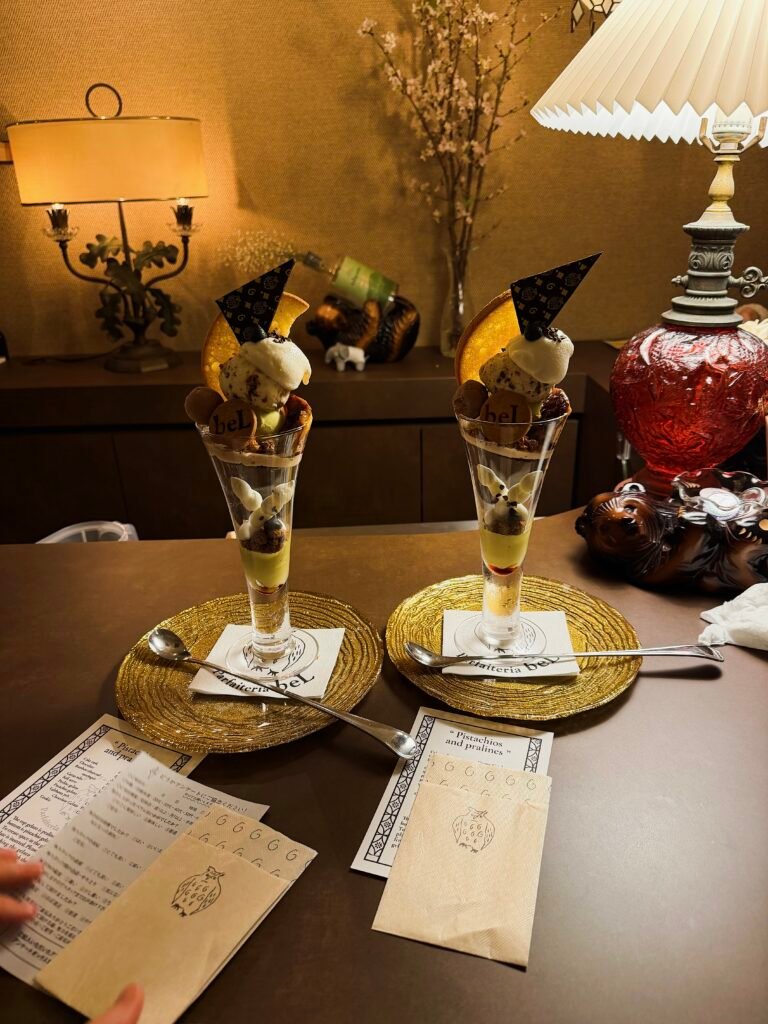
Tokyo was two nights of exploring, eating and shopping. We stayed in Shinjuku, first at UNPLAN and then at Onsen Ryokan Yuen, which has a rooftop onsen. Walk everywhere, use the GO taxi app, always tap out with your Suica (learn from me), and save an afternoon for thrifting in Shimokitazawa.
Read more: Tokyo in 2 days
Getting around Japan with a snowboard
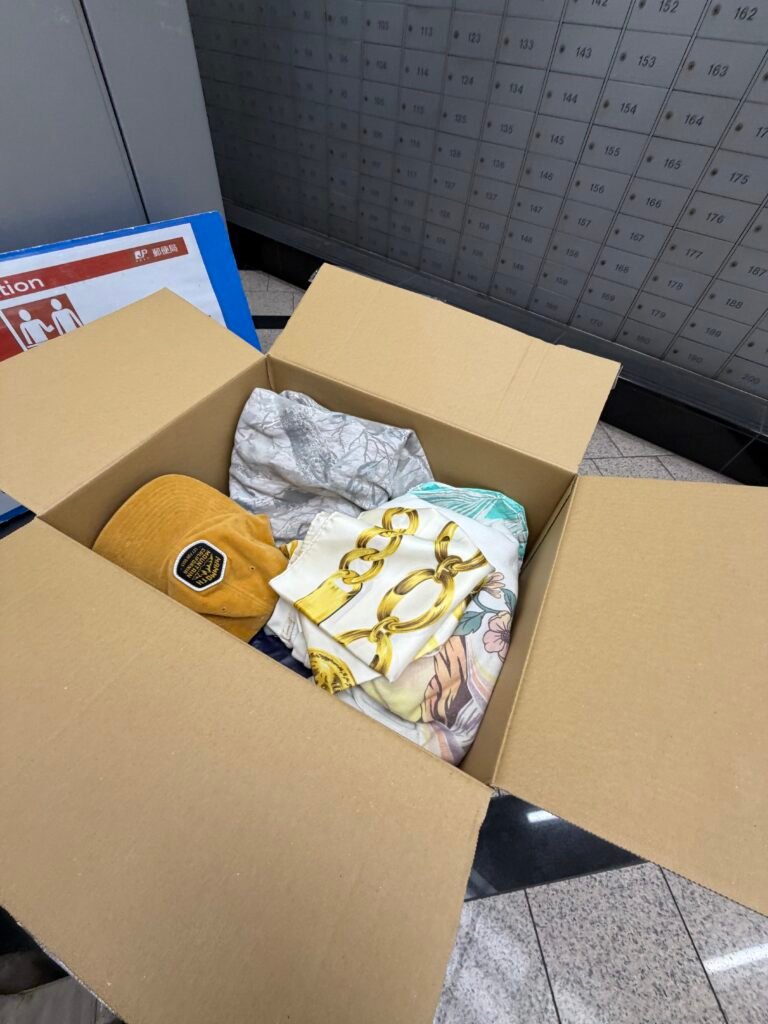
Between bullet trains, buses, domestic flights and a board bag, getting around was a whole thing. Domestic airlines charge by the kilo (one bag cost me about $120 extra), Yamato will ship your bags ahead in 1–2 days, and my attempt to ship stuff home failed because of tariffs, which meant tracking down my package with an AirTag and barely making my flight.
My biggest packing tips: pack light, bring slip-on boots (I caved and bought Fubukis), and put AirTags in everything.
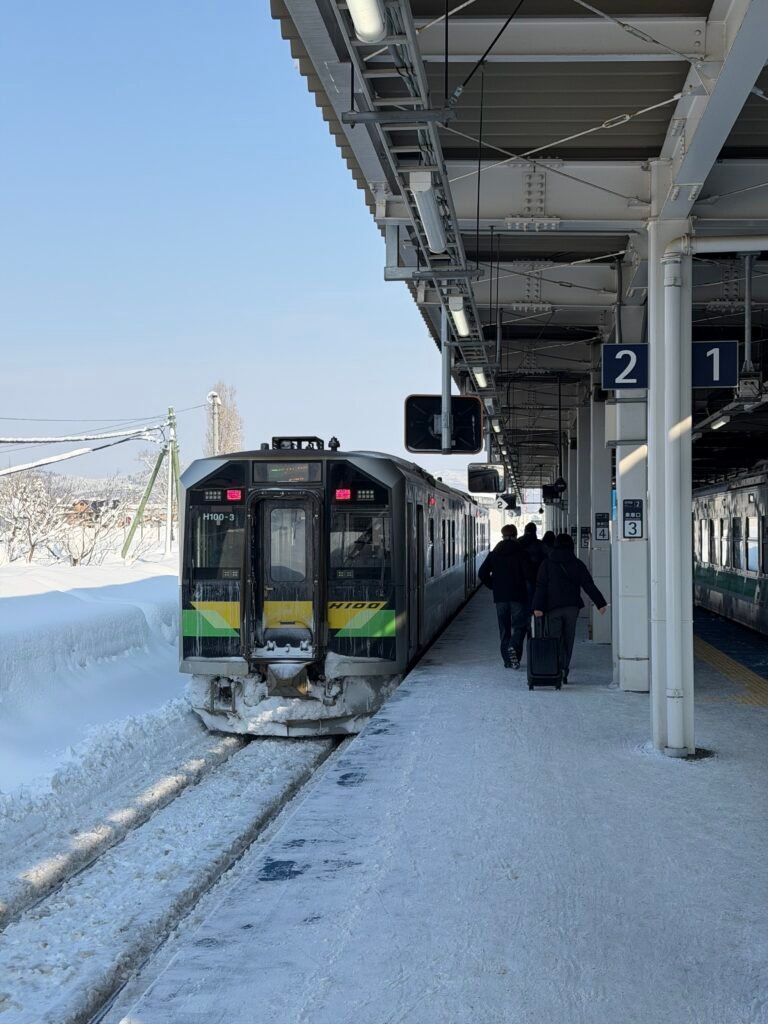
We did a mix of trains, buses and short domestic flights. Here’s how we got between each stop, plus the other options and rough costs:
| Leg | How we did it | Other options | Rough cost |
|---|---|---|---|
| Tokyo airport → city | Train into the city | Narita Express from Narita, or the Keikyu line or monorail from Haneda | About ¥3,000 from Narita; a few hundred yen from Haneda |
| Tokyo → Hakuba | Bullet train to Nagano, then a bus to Hakuba (about 4.5–5.5 hours door to door) | Direct Azusa train from Shinjuku (one a day), or an airport snow shuttle bus | About ¥9,500–12,500 ($65–85) for the train and bus |
| Hakuba → Kyoto | Bus to Nagano, Kagayaki bullet train to Tsuruga, Thunderbird train to Kyoto (leave in the morning, arrive early afternoon) | Head back through Tokyo and take the bullet train to Kyoto, but it’s a longer day | Roughly $120–150 total |
| Kyoto → Hokkaido | Haruka train to Kansai Airport (about 80 minutes), then a flight to Sapporo New Chitose | The train all the way is possible, but it takes most of a day | Haruka about ¥3,000–3,600; flight roughly $60–170 |
| Sapporo airport → Niseko | Taxi, after we missed our bus (about 2 hours) | Bus (about 3–4 hours), train to Kutchan plus a short bus (about 3 hours, but more transfers), or a rental car (about 2 hours) | Bus about ¥5,000–6,000 ($35–40); taxi about $200; train about ¥2,900; rental car about ¥5,000–15,000 a day |
| Niseko → home | Bus to Sapporo, flight to Tokyo, then the long flight home | Fly home from Sapporo if you can find a good connection | Sapporo–Tokyo flights roughly $70–200 |
Costs are rough, one-way, per person, and they change, so double-check before you book. Dollar amounts assume about ¥150 to $1. For every option from the airport to Niseko, see how to get to Niseko from Sapporo.
Read more: Traveling Japan with a snowboard
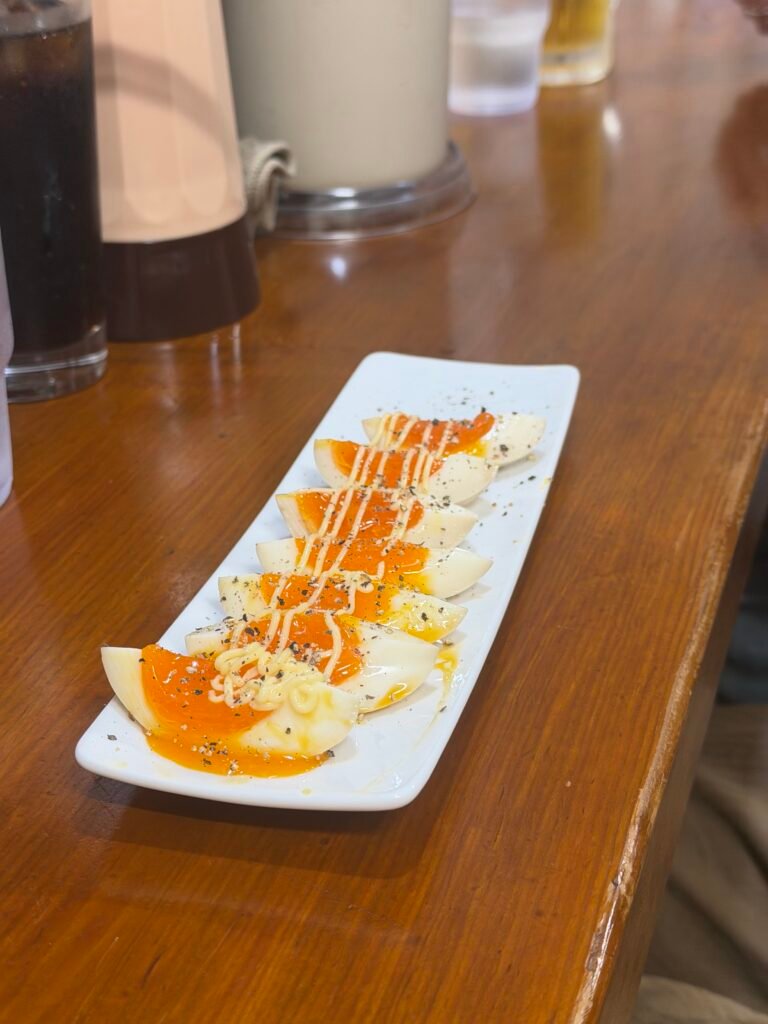
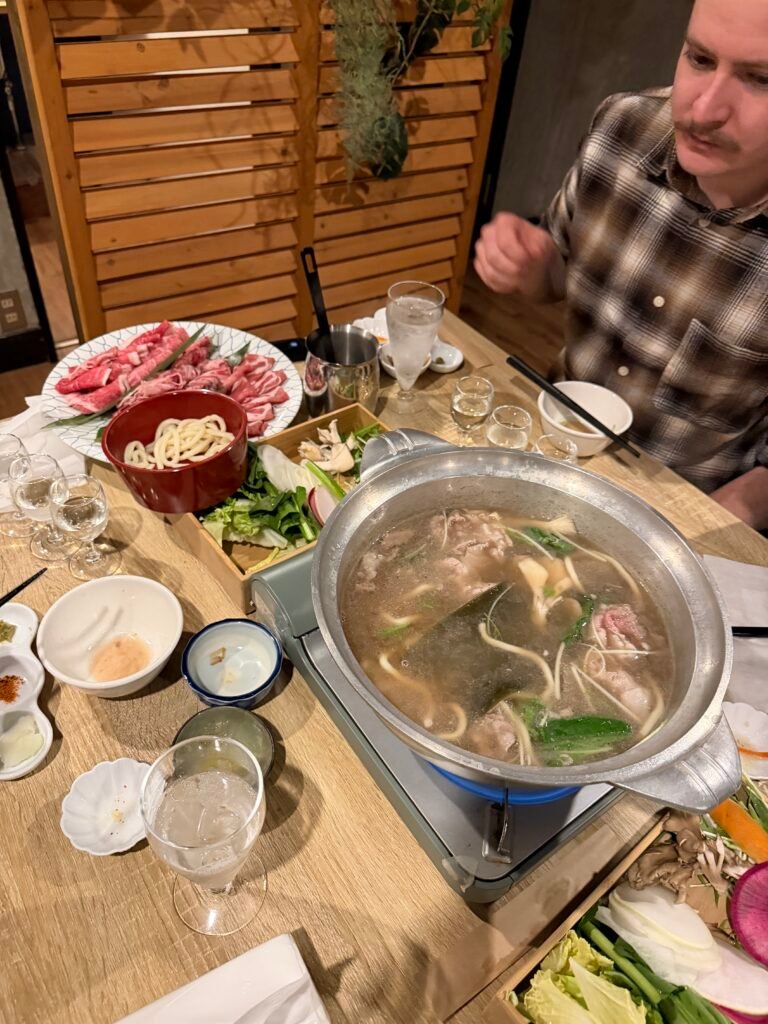
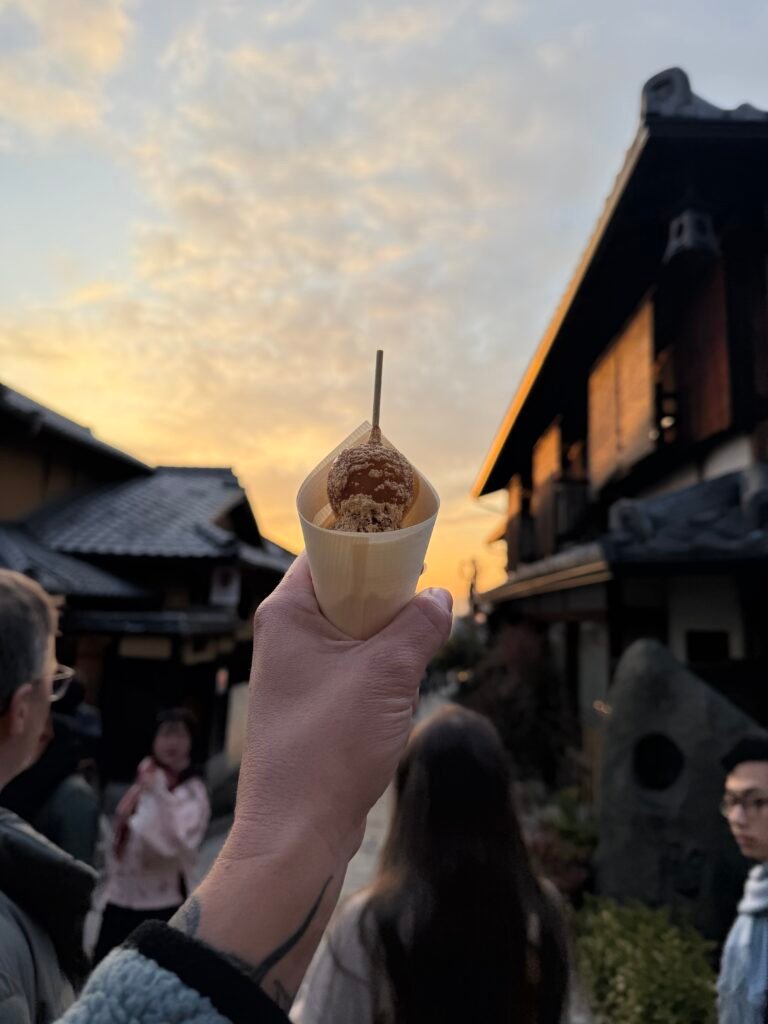
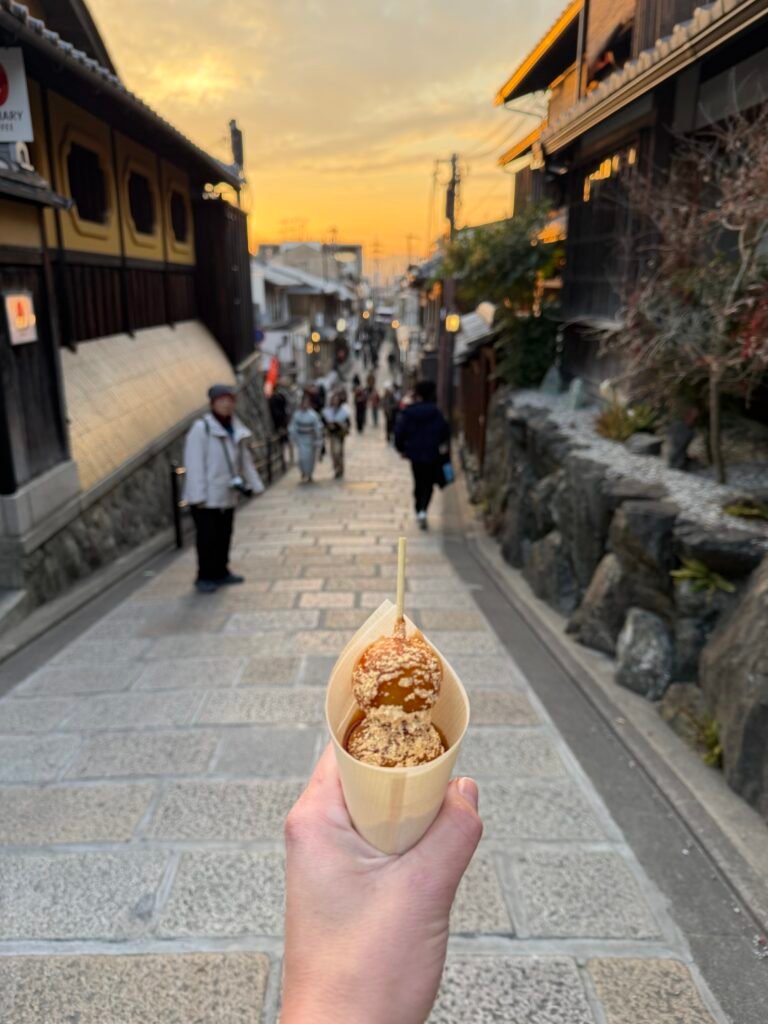
What I ate: 7-Eleven, egg sandwiches and ramen
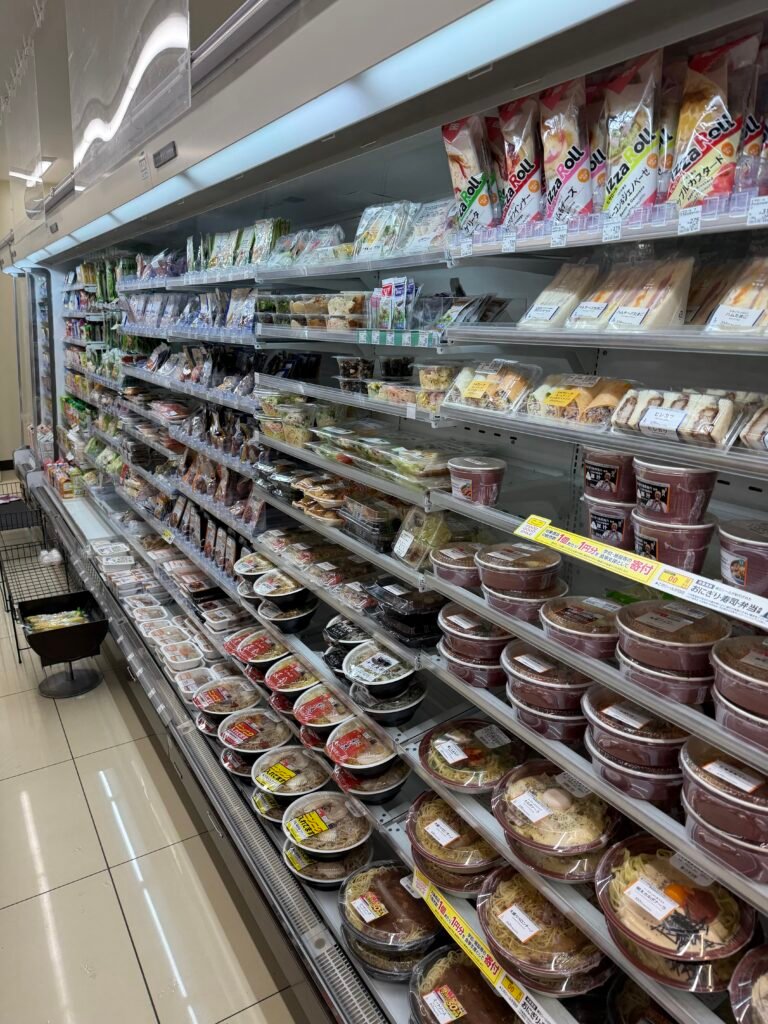
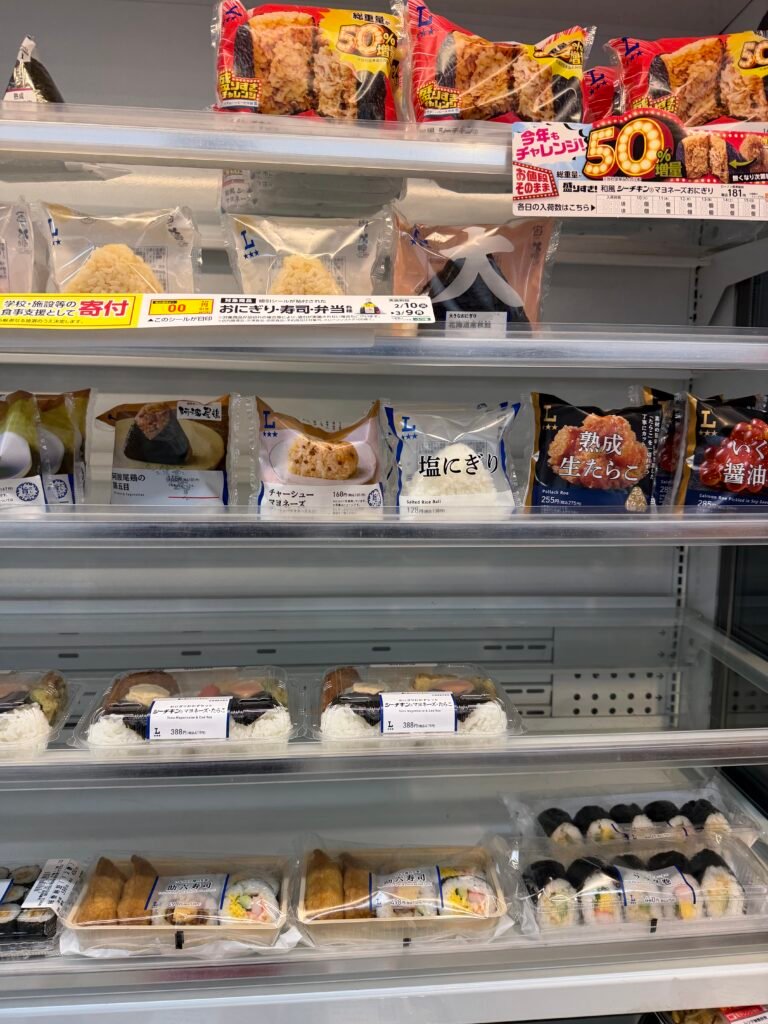
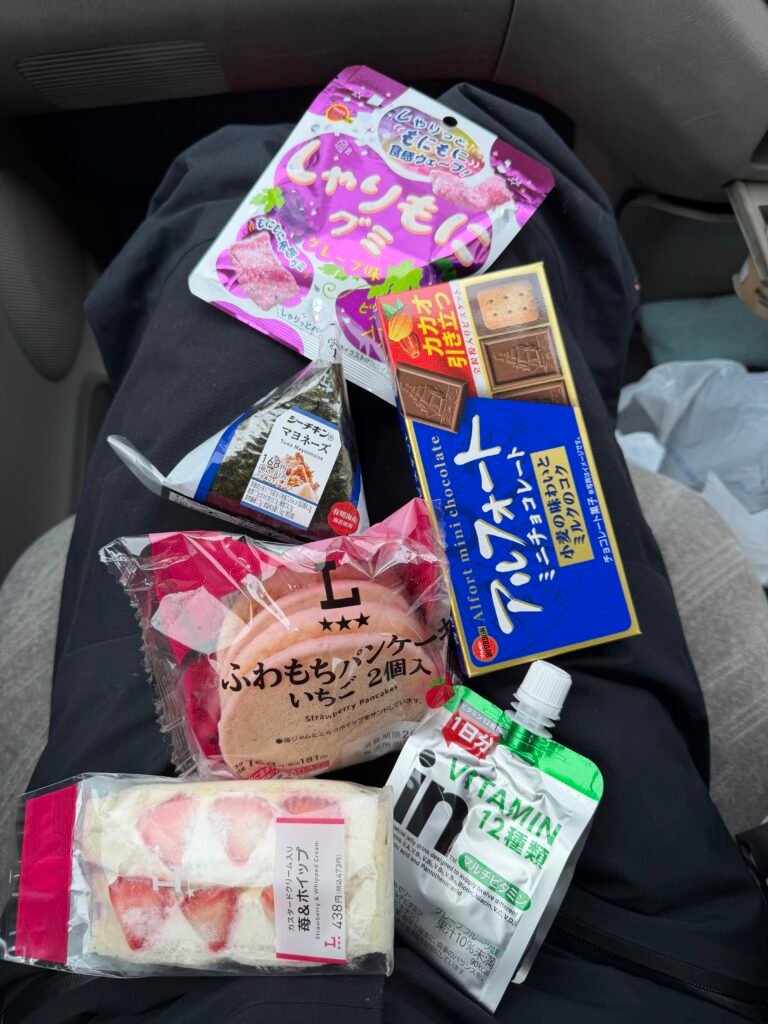
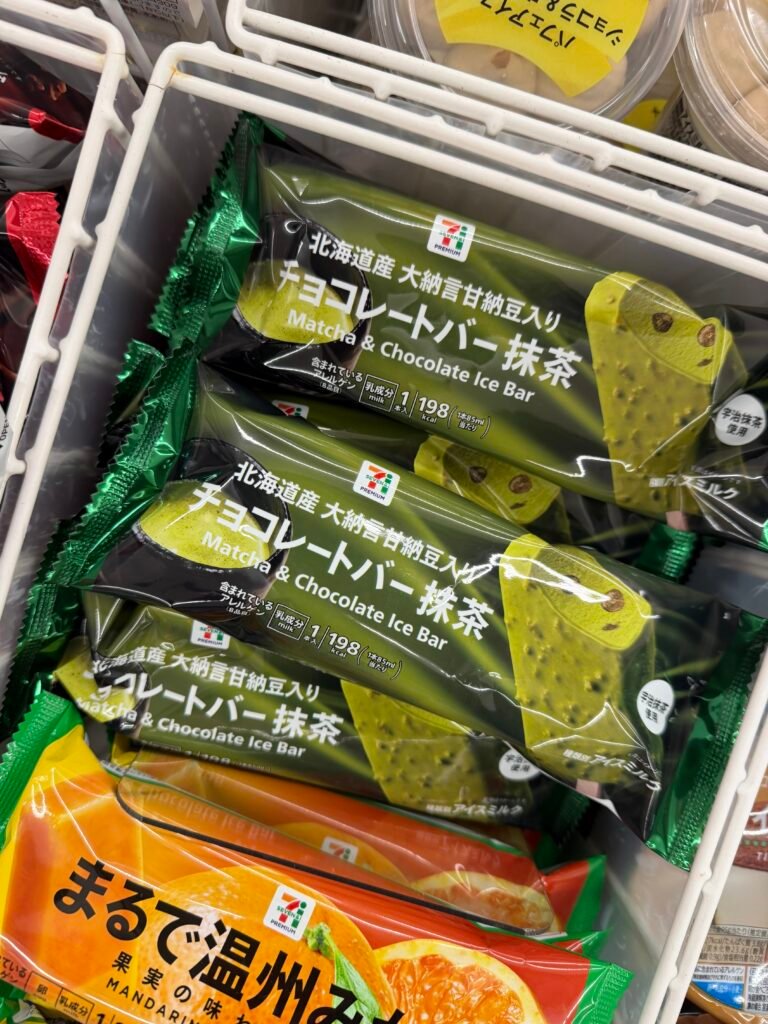
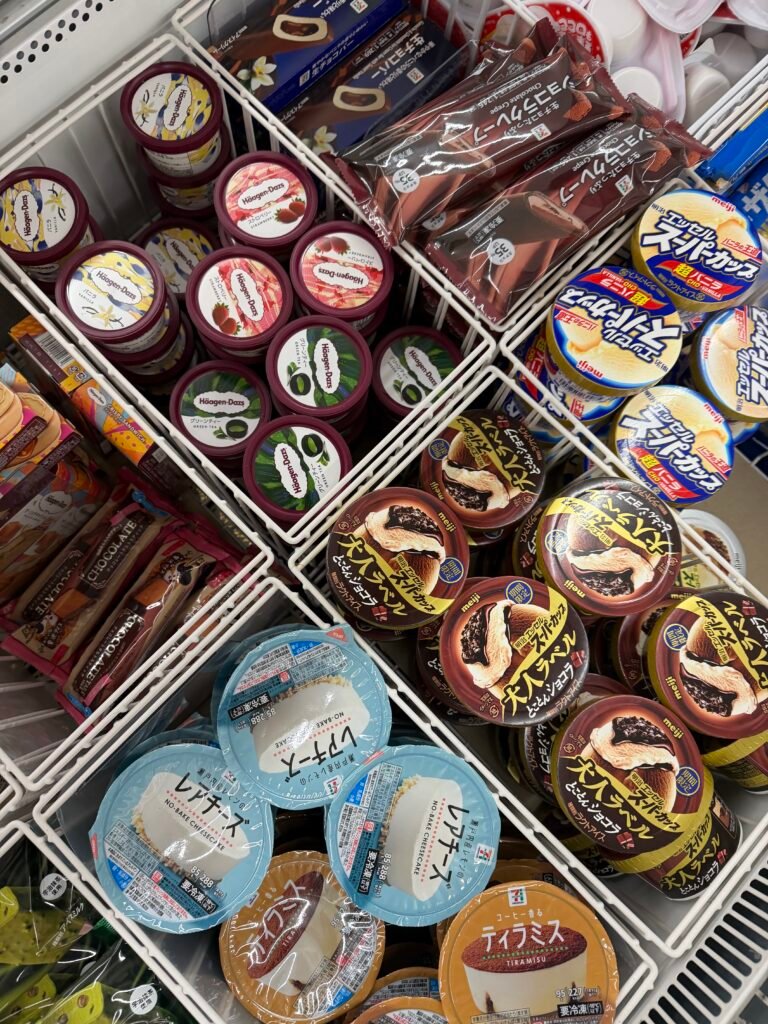
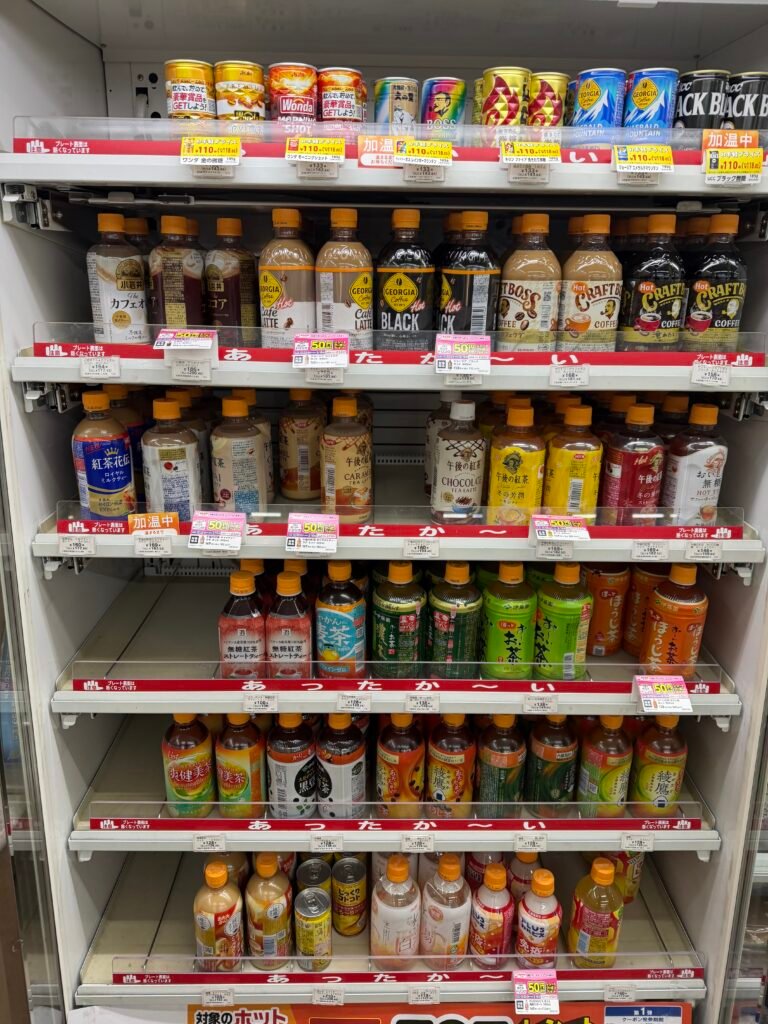
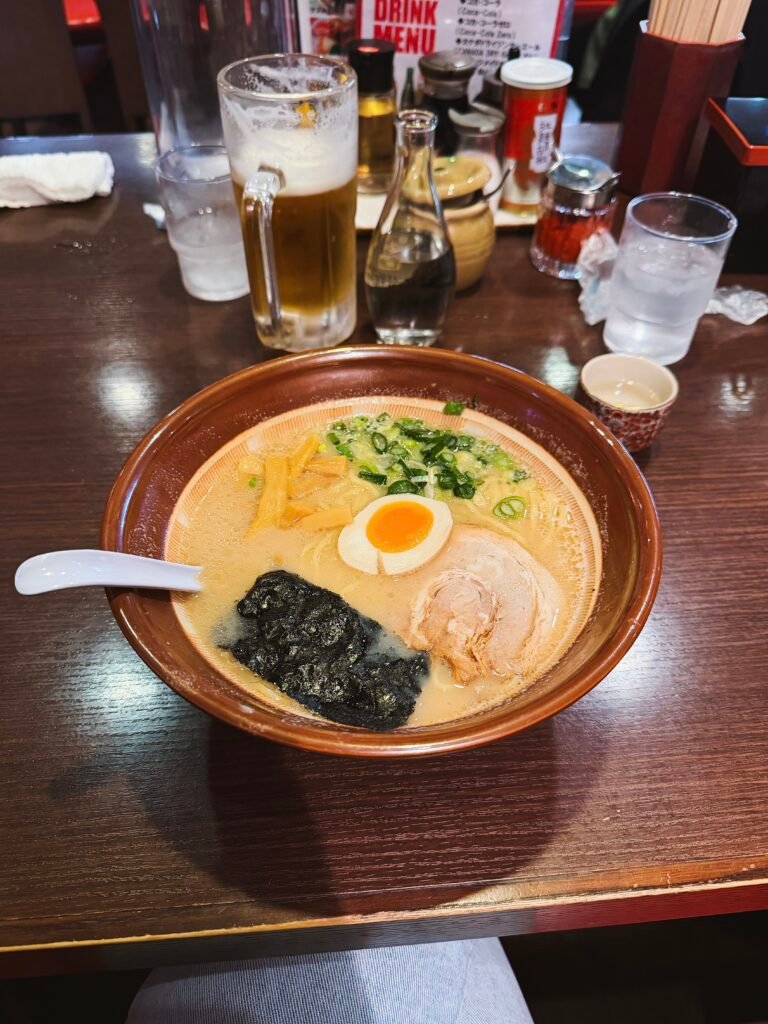
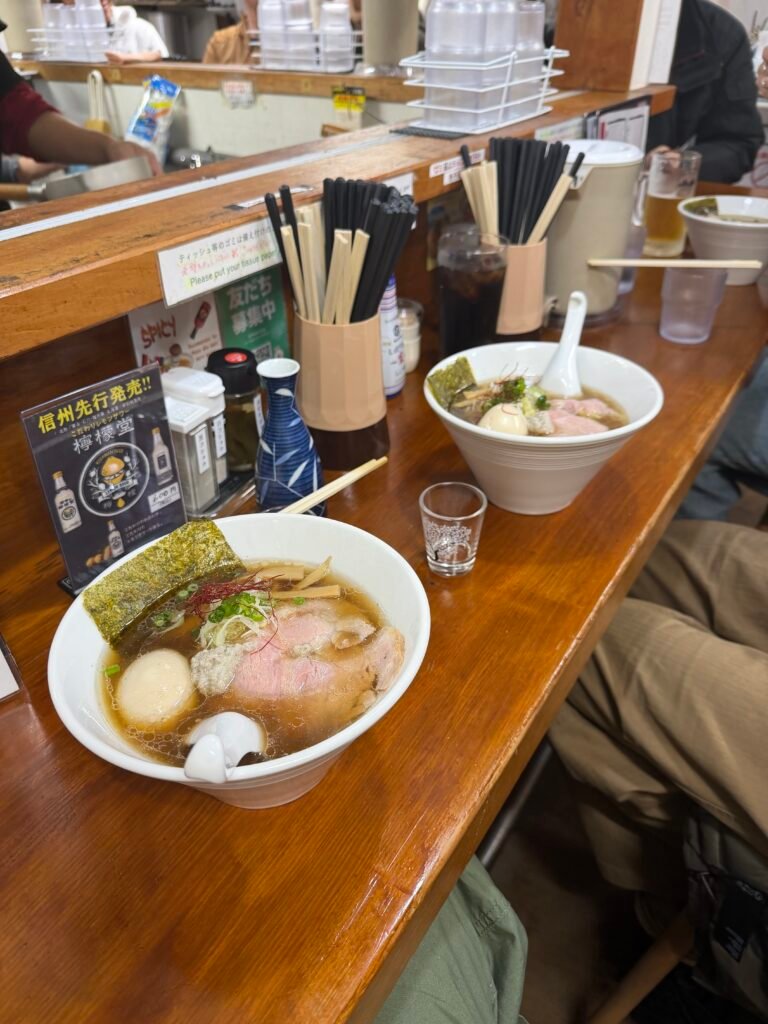
We basically survived off 7-Eleven. Out there, 7-Eleven is different. They’re more like small grocery stores. We’d get breakfast, lunch and, on occasion, dinner there. The egg sandwiches are as good as everyone says, and there’s nothing better than a hot bowl of ramen after a cold day on the mountain.
A few culture things to know
- There are no trash cans anywhere. You’re responsible for your own trash, so carry a little bag with you.
- Places are way smaller. A lot of restaurants only have about 8 seats. We were a group of 11, so almost every night we had to break off into smaller groups to get dinner.
- Shoes come off everywhere. You take them off before going inside, so easy slip-on boots make life way easier.
- A lot of Japan is floor sleeping. Futons on tatami mats, so prep for that.
- The AC units are all in Japanese. I used ChatGPT to tell me how to work them, lol.
- A lot of places don’t allow photos, so be mindful of that and look for no-photo signs.
- Public transportation is quiet. Keep your voice down on trains and buses.
- Eating while walking is considered rude, so stop and finish your snack before moving on.
- Carry cash everywhere you go, even in Tokyo. A lot of places are still cash only.
Read more: Japan culture differences and common Japanese phrases (with pronunciation)
Jet lag, and getting sick in week two
I landed on a Saturday night, and by Tuesday I was still exhausted. Like, wanting to stay in bed all day exhausted, while there’s fresh snow outside. For me, the time change was way harder getting there than coming back home.
And if you’re there for a few weeks, you’ll probably get sick around week two. Between the travel, the late nights and riding every day, it catches up with you. Prioritize sleep!!! Plan a couple of easy days when you land, and don’t feel bad about taking a rest day.
What it cost
- Rusutsu lift ticket: about $30
- Lunch on the mountain: about $15, max
- Guided backcountry day: about $310 per person
- Overweight bag on a domestic flight: about $120 (learn from me)
- Shrine stamps: about 800–1,000 yen each
For the two group weeks, splitting lodging with friends made a huge difference. Our shared stays in Tokyo, Hakuba, Kyoto and Niseko came out to roughly $900 per person. All in, my three weeks came to about $4,700–5,300. Here’s the full breakdown of what my Japan snowboard trip cost, flight by flight.
The best part: being back with my people
As much as this was a snowboard trip, the best part was being back with these friends. I don’t live in Colorado with them anymore, and this trip reminded me how much I miss them. Being together again felt like home. We’re all so easygoing, and we just travel really well together.
Being together again felt like home.
A few highlights from the group:
- Katie got a new name. We started calling her “Crab Rangoon” because of the way she did her hair. It stuck.
- The chair incident. At our Airbnb in Niseko, you could hear every chair squeak from the bottom floor. One night I asked everyone to be quiet, so of course they dragged the chairs across the floor, slowly, for way too long. It sounds annoying, but it was honestly so funny.
- The hangover. One night, one of our friends got so drunk he was still throwing up the next afternoon. Poor guy.
What I’d do differently
- Go to fewer places. Bouncing from place to place and dragging all my stuff every time was exhausting. Next time I’d pick two or three bases and stay longer.
- Bring slip-on boots (like Fubukis) instead of lace-ups or stiff new boots.
- Pack way lighter. Domestic flight fees add up fast, and you’ll buy stuff.
- Prioritize sleep, especially in week two.
- Tap out of every Suica gate. Every. Time.
- Make time for the things I missed: the Rusutsu theme park, the Burton store and teamLab.
What I’d absolutely do again
- A powder week in Hokkaido with Charlotte
- A cheap, amazing day at Rusutsu
- Earning my turns near Iwanai, then plum whiskey by the fire
- Collecting shrine stamps in Kyoto
- Thrifting in Shimokitazawa
- Living off 7-Eleven egg sandwiches (and Otsukisama ramen)
- AirTags in everything
- Another trip with this crew, hopefully sooner than six years from now
Snowboarding in Japan: FAQ
Niseko or Hakuba: which is better for snowboarding?
Niseko is the safer bet for powder. Hokkaido gets more consistent, lighter snow, and the town is super easy for English speakers. Hakuba is closer to Tokyo, has bigger, steeper alpine terrain spread across ten resorts, and feels more traditionally Japanese. I was sick with bad conditions in Hakuba, so my take is biased, but if powder is your #1 goal, I’d pick Hokkaido. More in my Niseko guide and Hakuba post.
When is the best time to snowboard in Japan?
January and early February are peak powder season, especially in Hokkaido. We went in February: my first week had powder every single day, but by the end of the month it had gotten icy. If you can, aim for mid-January to mid-February and keep your dates flexible.
Can I use my Ikon or Epic Pass in Japan?
Niseko United is on the Ikon Pass, and Hakuba Valley and Rusutsu are on the Epic Pass. Day limits are different for each pass and resort, so check yours before you go. If you don’t have either, buy lift tickets at the resort or online, and look at multi-day passes if you’re staying a while. Here’s my full breakdown of Ikon vs Epic for Japan.
Is Japan good for beginner snowboarders?
Yes. Most resorts have wide, mellow groomers, lessons in English are easy to find in Niseko and Hakuba, and lift tickets at smaller resorts can be really cheap (Rusutsu was about $30 a day for us). Just know that deep powder is a whole different skill, so take a lesson or stick to groomers on big snow days.
Do I need to rent a car for a snowboard trip in Japan?
Not if you’re staying in one place. Trains and buses are amazing and resort shuttles are common. If you want to chase snow between resorts like we did in week one, a car is game changing. If you’re from the US, you’ll need an International Driving Permit (get it before you leave), and rentals come with snow tires. See every leg and cost in my guide to traveling Japan with a snowboard.
How much does a snowboard trip to Japan cost?
Less on the mountain than you’d think, more in getting around. Lift tickets ranged from about $30 at Rusutsu to more at the bigger resorts, lunch on the mountain was about $15 max, and a guided backcountry day was about $310. Splitting lodging with a group, our shared stays came out to roughly $900 per person for two weeks. Budget extra for flights, bullet trains and domestic baggage fees (one bag cost me about $120). My whole trip came to about $4,700–5,300. See my full Japan snowboard trip budget.
How long should a Japan snowboard trip be?
Two to three weeks felt right, because you lose a few days to jet lag and you’ll probably get sick around week two. One week works if you stick to one resort. Whatever you do, don’t try to see too many places. Pick two or three bases and stay longer.
Will my phone work in Japan?
I have Verizon on an unlimited plan and used their international plan, and it worked pretty well. I still jumped on wifi whenever I had the chance, and a few days I ran out of data, but not often. Heads up: our place in week one didn’t have wifi at all, so if you’re working remotely or use a lot of data, look into a Japan eSIM or a pocket wifi you can pick up at the airport.
Do I need to speak Japanese?
No. Ski towns like Niseko and Hakuba are easy in English, and Google Translate’s camera feature handles menus and signs. A few basic phrases go a long way, though. I put together a list with pronunciation in my Japan culture and phrases guide.
Even with the icy days, the overweight bags and nearly missing my flight home, it was such a good trip, mostly because of who I got to spend it with. Months later, I’m still not over it.
Planning more snow trips? Find the rest in the Snow journal.
ABOUT THE AUTHOR
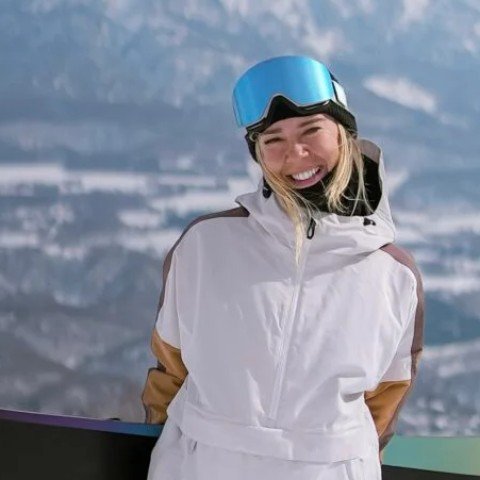
Hi, I’m Lindsey. I learned to dirt bike in Virginia, have been snowboarding since the East Coast and surf whenever I can, and I write the trip guides I wish I’d had.