Japan Culture Differences (and Common Japanese Phrases With Pronunciation)
The biggest culture shocks from three weeks in Japan, from no trash cans to naked onsens, plus the Japanese phrases we actually used and how to pronounce them.
The short answer
The biggest culture shocks for me in Japan: shoes come off everywhere, there are no trash cans, restaurants are tiny, a lot of places mean sleeping on the floor, and onsens mean bathing naked with strangers. Learn a handful of phrases, like sumimasen (excuse me) and arigatō gozaimasu (thank you), and people are so kind about the rest.
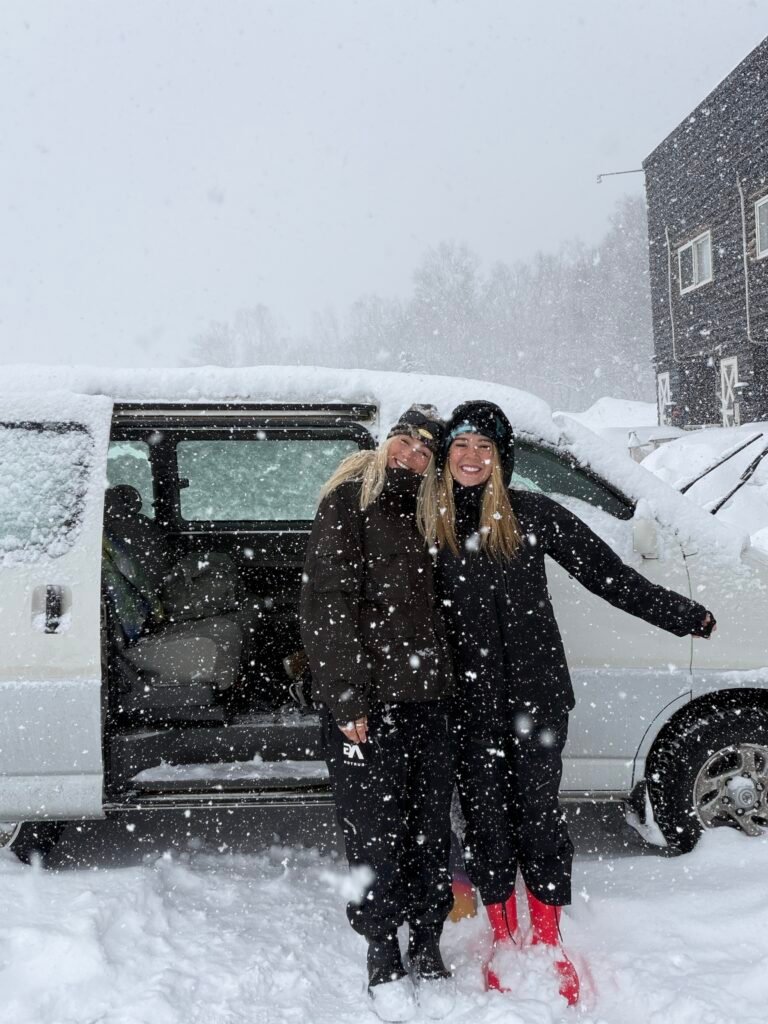
Three weeks in Japan, and some of my favorite (and most confusing) moments had nothing to do with snowboarding. Japan does a lot of things differently, and knowing a few of them ahead of time makes everything smoother. Here are the biggest cultural differences I noticed, plus the Japanese phrases we actually used and how to say them.
The biggest cultural differences in Japan
Shoes come off everywhere
You take your shoes off before going inside homes, ryokans and a lot of restaurants. When you’re in ski clothes most of the time, this gets old fast. Bring easy slip-on boots. I caved and bought Fubukis there, and I’m so glad I did (more in my guide to traveling Japan with a snowboard).
There are no trash cans anywhere
This one surprised me the most. There are basically no public trash cans, and you’re responsible for your own trash. Carry a little bag with you and toss everything when you get back to where you’re staying.
Restaurants are tiny
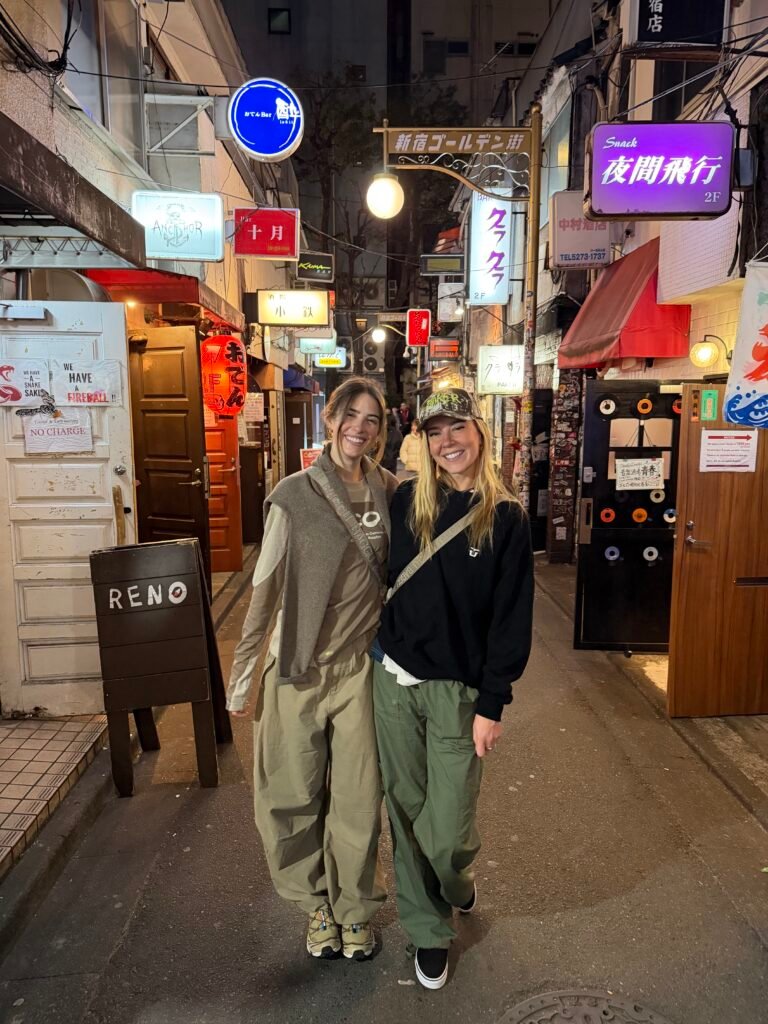
A lot of restaurants only have about 8 seats. We were a group of 11, so almost every night we had to split into smaller groups to get dinner. If you’re traveling with a big crew, plan on that, and go early to popular spots because lines form.
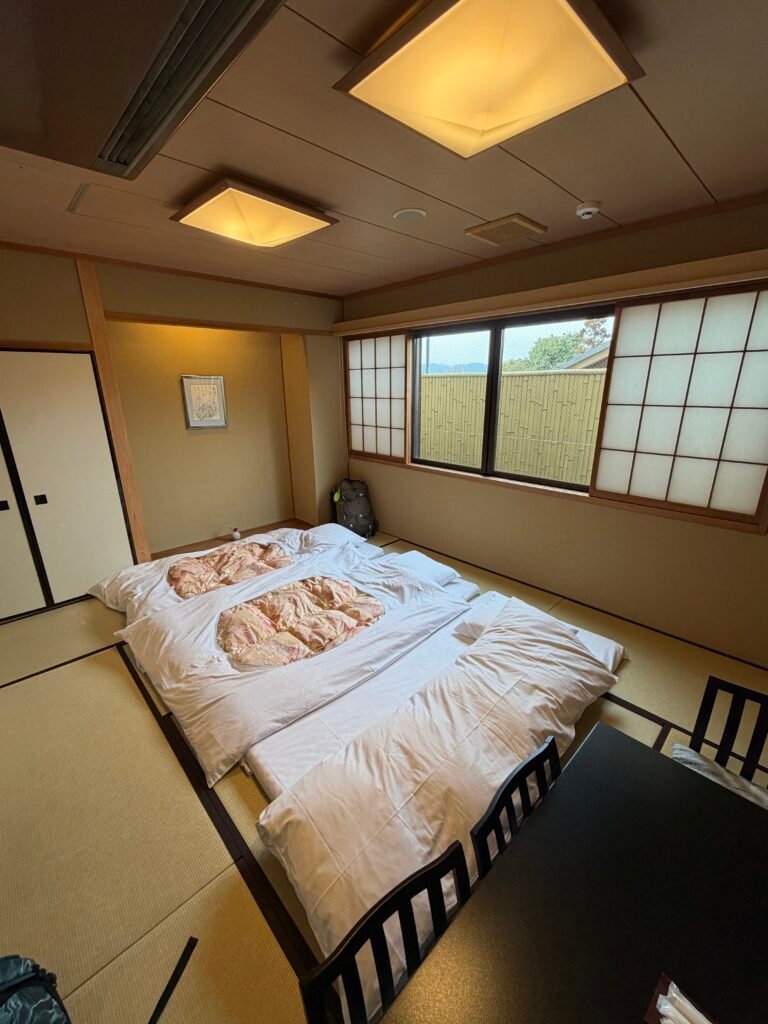
A lot of Japan is floor sleeping
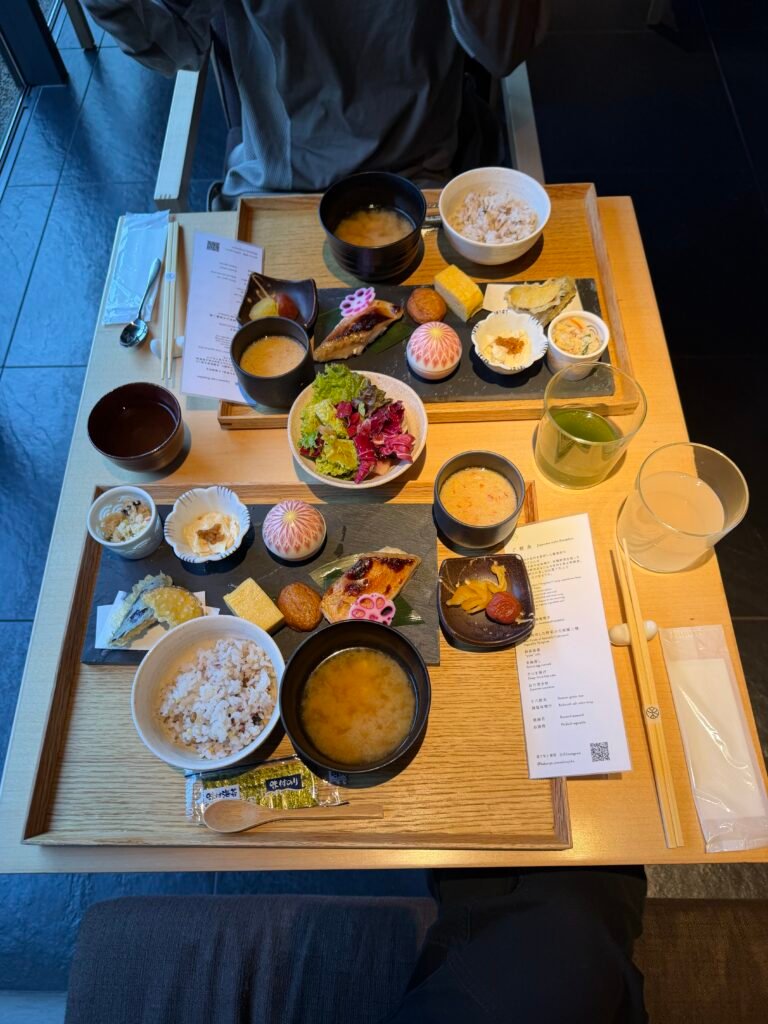
Traditional stays like ryokans mean futons on tatami mats. It’s cozy and a really cool experience, just prep for sleeping on the floor. We stayed at Ryokan Sawaya Honten in Kyoto.
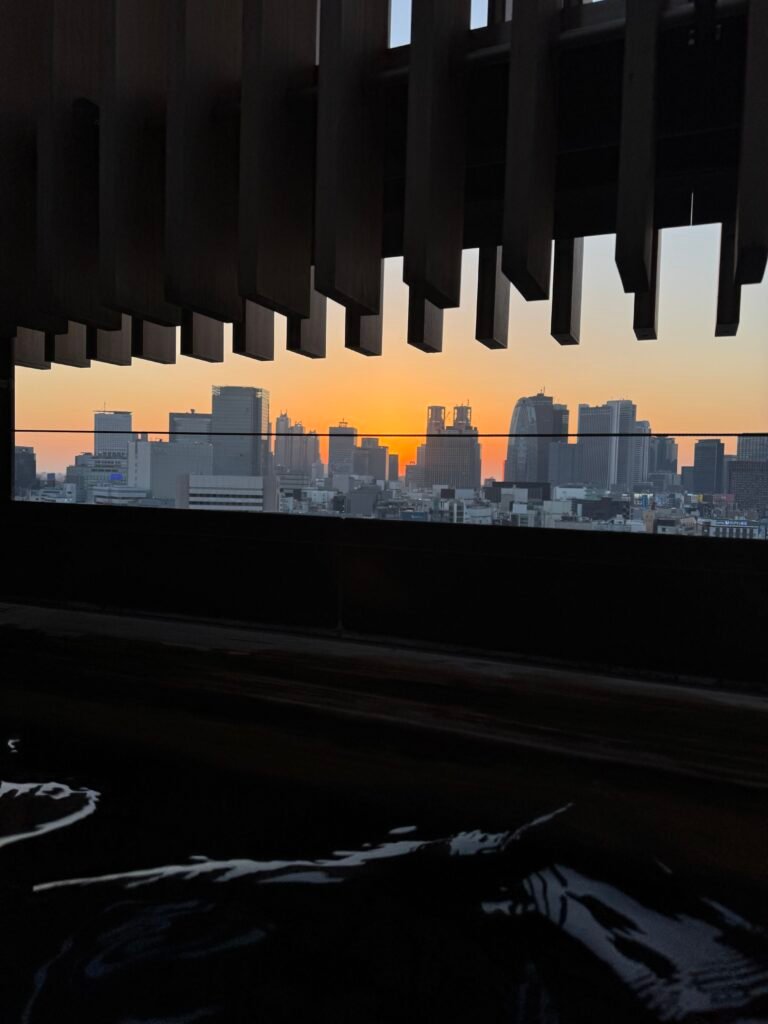
Onsens mean bathing naked (with strangers)
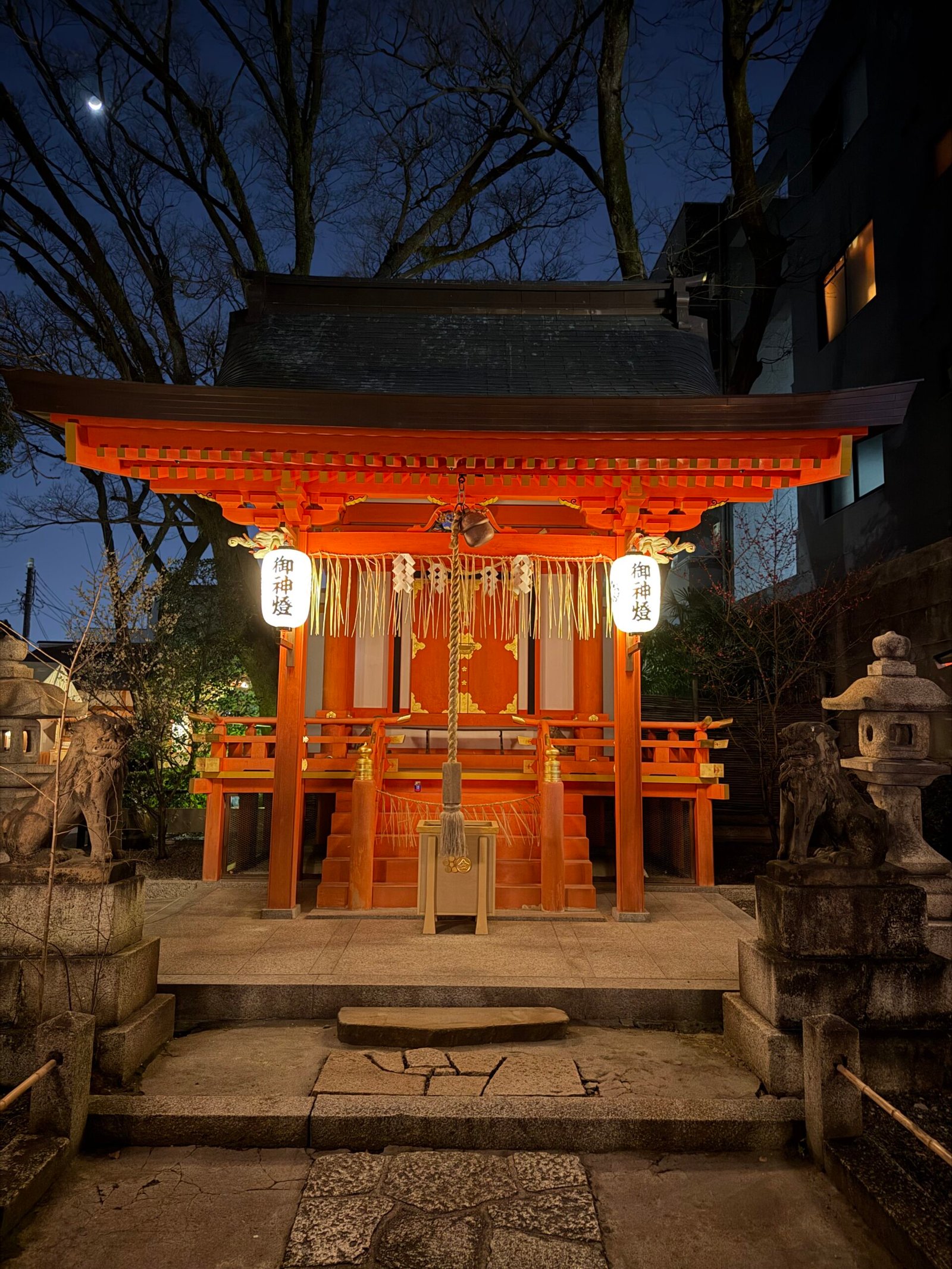
Onsens (hot spring baths) are a huge part of the culture, and you go in naked, no swimsuits. Shower and wash before you get in, keep your little towel out of the water, and check the tattoo policy ahead of time, because some places don’t allow them. Our hotel in Tokyo had a rooftop onsen with a view of the city (more in my Tokyo guide).
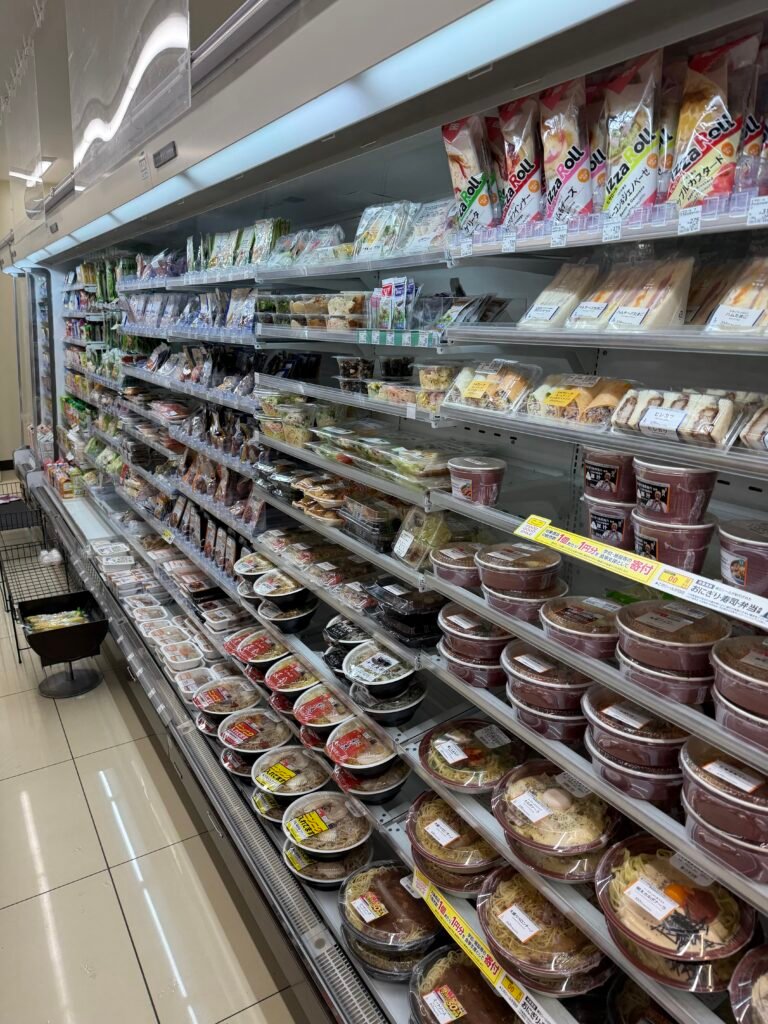
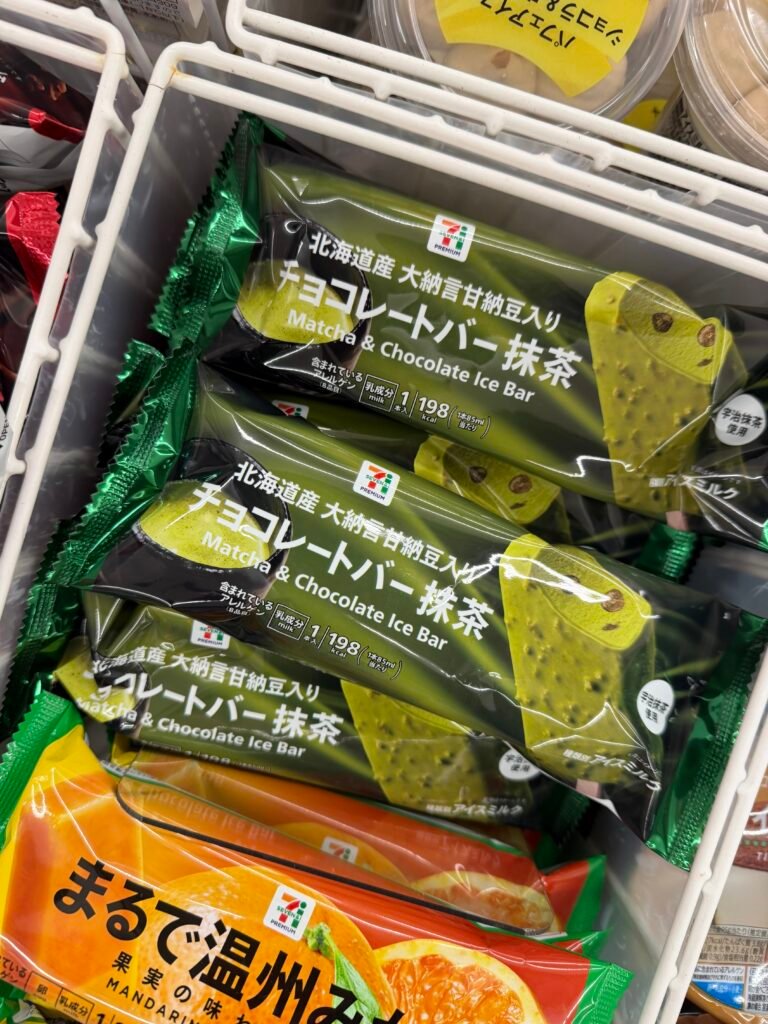
Convenience stores are basically grocery stores
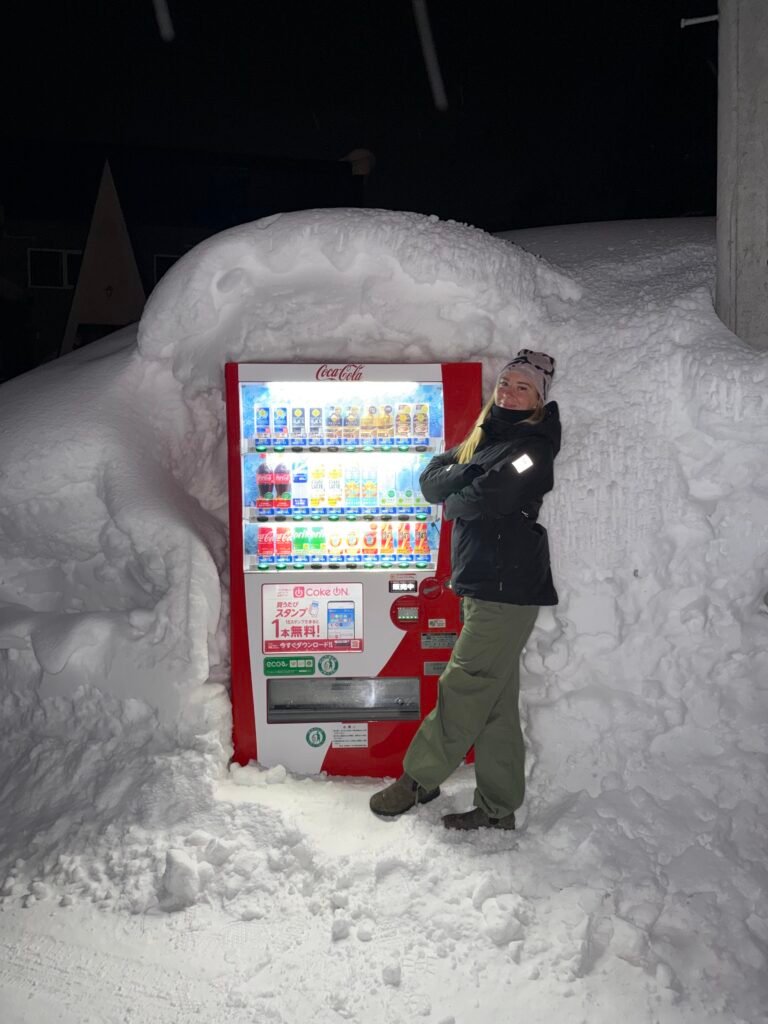
7-Eleven in Japan is a completely different thing. We got breakfast, lunch and, on occasion, dinner there. The egg sandwiches are as good as everyone says. Vending machines are everywhere too, even half-buried in snow.
Everything is in Japanese (including the AC)
Outside the big tourist spots, a lot of signs, menus and appliances are only in Japanese. The AC units in our rooms were all in Japanese, so I used ChatGPT to tell me how to work them, lol. Google Translate’s camera feature is a lifesaver for menus and signs.
Transit has rules, so follow them
Suica is the transit card, and you have to tap out properly every single time. I didn’t once, and my card stopped working. I had to find someone who worked for the transit system and use Google Translate to explain what happened, and I paid cash until it got fixed. Learn from me.
Don’t eat while walking
Eating while you walk down the street is considered rude in Japan. If you grab something from a convenience store or a street stall, stop and eat it right there (a lot of people stand near the shop to finish) instead of snacking on the go. Eating in public isn’t rude in itself; it’s the walking part. Skip eating on local trains too, where you basically never see anyone eating. Bullet trains (Shinkansen) are the exception, since the rides are longer, and locals eat on them all the time.
Be quiet on public transportation
Trains and buses in Japan are QUIET. People don’t really talk on the phone or have loud conversations, so keep your voice down, especially if you’re traveling with a big group of friends like we were. Put your phone on silent too.
A lot of places don’t allow photos
A lot of places don’t allow you to take photos, so be mindful of that. Look for no-photo signs, and if you’re not sure, ask or just put your phone away. It’s respectful, and honestly it’s nice to just take it all in.
A few more things to know
- Tipping isn’t a thing. Good service is just expected, and leaving a tip can actually be confusing.
- Carry cash everywhere you go, even in Tokyo. A lot of places, big city or not, are still cash only.
- Luggage shipping is normal. Yamato (“Black Cat”) will ship your bags ahead, but someone has to be there to accept them.
More etiquette to know
- Chopstick manners matter. Don’t stick your chopsticks straight up in a bowl of rice, and don’t pass food from your chopsticks to someone else’s. Both are associated with funerals. Rest them on the holder or across your bowl instead.
- Watch for slippers. Some places give you slippers at the door, and there’s often a separate pair just for the bathroom. Don’t wear the bathroom slippers back out (it happens to tourists a lot, lol).
- Slurping noodles is totally fine. It actually shows you’re enjoying your ramen, so slurp away.
- Use the cash tray. At a lot of shops, you put your money or card in the little tray on the counter instead of handing it to the cashier.
- Stand on one side of the escalator. People leave one side open for walking. In Tokyo you stand on the left, and in Osaka it’s the right, so just copy everyone else.
- Line up neatly. People queue for everything, from trains to restaurants, often in marked spots on the platform. Don’t cut.
- Bowing is how people say hello, thank you and sorry. You don’t need to get it perfect. A small nod goes a long way.
- Masks are common. A lot of people wear one when they’re sick, and it’s seen as considerate.
- Don’t blow your nose in public. It’s kind of frowned upon, so step away or head to the bathroom.
Common Japanese phrases (and how to pronounce them)
You don’t need to speak Japanese to travel Japan, but a few words go a long way. These are the ones we actually used, with how to say them:
| English | Japanese | How to say it |
|---|---|---|
| Hello | Konnichiwa | kohn-nee-chee-wah |
| Good morning | Ohayō gozaimasu | oh-hah-yoh goh-zai-mahs |
| Thank you (polite) | Arigatō gozaimasu | ah-ree-gah-toh goh-zai-mahs |
| Excuse me / sorry (also to get someone’s attention) | Sumimasen | soo-mee-mah-sen |
| Please (when asking for something) | Onegaishimasu | oh-neh-guy-shee-mahs |
| Yes / No | Hai / Iie | hai / ee-eh |
| This one, please | Kore o kudasai | koh-reh oh koo-dah-sai |
| How much is it? | Ikura desu ka? | ee-koo-rah dess kah |
| Where is the bathroom? | Toire wa doko desu ka? | toy-reh wah doh-koh dess kah |
| Do you speak English? | Eigo o hanasemasu ka? | ay-goh oh hah-nah-seh-mahs kah |
| I don’t understand | Wakarimasen | wah-kah-ree-mah-sen |
| The check, please | Okaikei onegaishimasu | oh-kai-kay oh-neh-guy-shee-mahs |
| Delicious! | Oishii! | oy-shee |
| Cheers! | Kanpai! | kahn-pie |
| Before you eat (like “let’s eat”) | Itadakimasu | ee-tah-dah-kee-mahs |
| After you eat (thanks for the meal) | Gochisōsama deshita | goh-chee-soh-sah-mah desh-tah |
| I don’t need a bag | Fukuro wa iranai desu | foo-koo-roh wah ee-rah-nai dess |
Quick pronunciation tips
- “Desu” sounds like “dess.” The “u” at the end of a lot of words is barely said, so arigatō gozaimasu ends in “mahs.”
- Vowels are always the same: a = “ah,” i = “ee,” u = “oo,” e = “eh,” o = “oh.”
- Long vowels (ō) are held a little longer. Arigatō is “ah-ree-gah-toh,” not “ah-ree-gah-toe.”
- Sumimasen is the MVP. Use it to get a server’s attention, squeeze past someone, or say sorry.
Japan culture FAQ
Do you need to speak Japanese to travel in Japan?
No. Big cities and ski towns like Niseko are easy with English, Google Translate and a few basic phrases. Outside of those, menus and signs can be Japanese only, so the camera feature in Google Translate helps a lot.
Do you tip in Japan?
No. Tipping isn’t part of the culture, and good service is just expected. Leaving money on the table can actually confuse people.
Is Japan safe to travel?
Japan is known as one of the safest countries to travel in. People leave phones on tables to save seats. Still, use normal travel common sense, especially at night.
Do you have to take your shoes off in Japan?
In homes, ryokans and a lot of restaurants, yes. Look for a step up at the entrance or a row of slippers, and bring shoes that slip on and off easily.
Can you go to an onsen with tattoos?
It depends on the place. Some onsens don’t allow tattoos, some let you cover small ones, and private onsens get around it completely. Check the policy before you go.
Is it rude to eat on the street in Japan?
Eating while walking is considered rude, but eating in public isn’t. Stop and finish your food near where you bought it. Skip eating on local trains, but bullet trains are fine.
Will my phone work in Japan?
I have Verizon on an unlimited plan and used their international plan, and it worked pretty well. I still jumped on wifi whenever I had the chance, and a few days I ran out of data, but not often. Heads up: our place in week one didn’t have wifi at all, so if you’re working remotely or use a lot of data, look into a Japan eSIM or a pocket wifi you can pick up at the airport.
Can you drink the tap water in Japan?
Yes, tap water in Japan is safe to drink.
More from my Japan trip
This post is part of my three weeks snowboarding in Japan series.
- Niseko guide: where to eat, drink and stay
- Backcountry snowboarding in Hokkaido
- Hakuba and the Cortina dam run
- Traveling Japan with a snowboard
- Kyoto in 2 days
- Tokyo in 2 days
- How much my Japan snowboard trip cost
- How to get to Niseko from Sapporo
- Ikon vs Epic Pass for Japan

ABOUT THE AUTHOR
Hi, I’m Lindsey. I learned to dirt bike in Virginia, have been snowboarding since the East Coast and surf whenever I can, and I write the trip guides I wish I’d had.