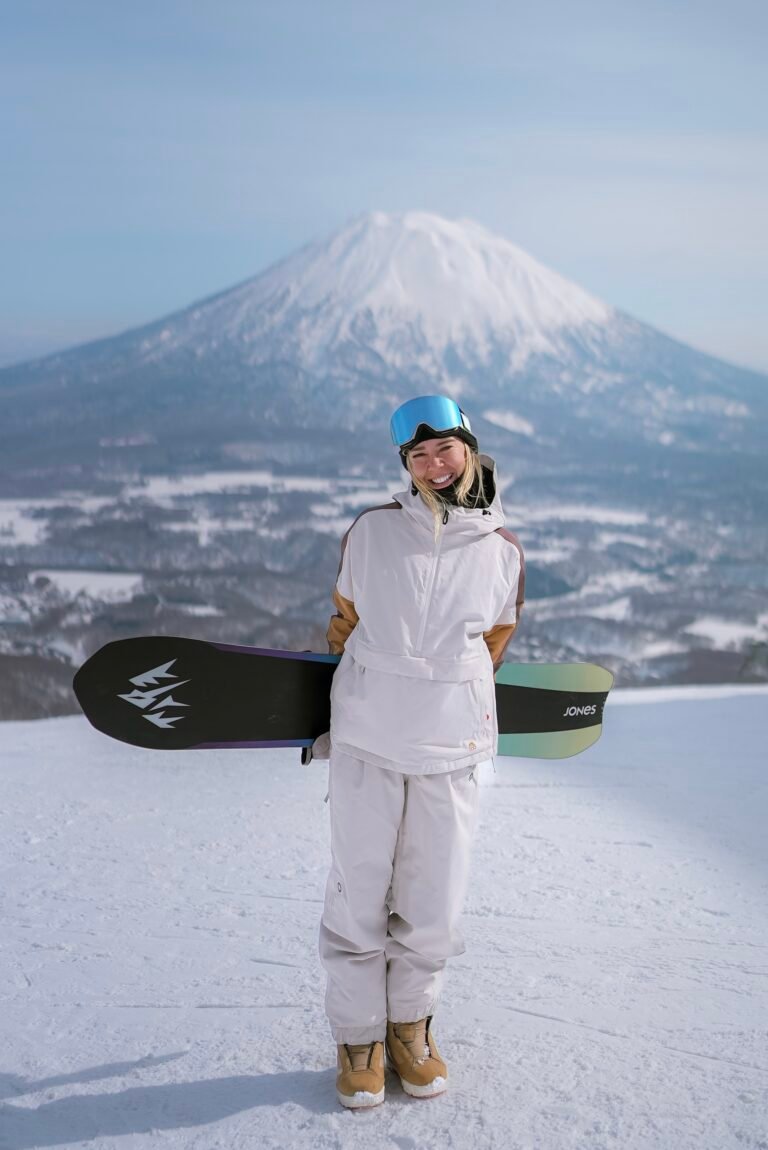
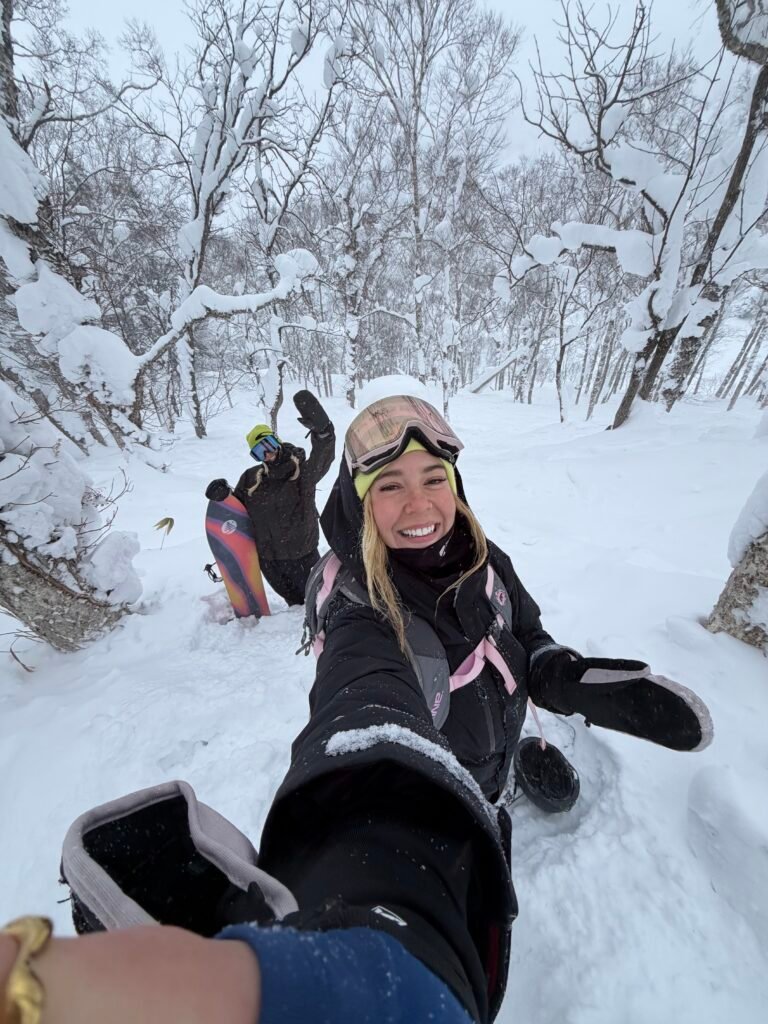
Traveling Japan With a Snowboard: Trains, Baggage Fees and Shipping Your Luggage
How we got around Japan with snowboards, the domestic flight fees that got me, shipping bags with Yamato, and the packing mistakes I won’t make again.
Some links in this post are affiliate links. If you book or buy through them, I may earn a small commission at no extra cost to you. As an Amazon Associate, I earn from qualifying purchases.
The short answer
Pack way lighter than you think, watch domestic flight weight fees (one bag cost me about $120), ship your big bag between stops with Yamato, bring slip-on boots, put AirTags in everything, and don’t count on shipping things home.
On the day of my flight home, I was back in the middle of Tokyo, tracking down a package with my AirTag, trying to rescue all the stuff I’d tried (and failed) to ship home. I barely made my flight.
Three weeks, five stops, a board bag and way too much luggage. Moving around Japan with snowboard gear taught me a lot, mostly the hard way. Here’s how we got between each stop and everything I’d do differently.
How we got around Japan
| Leg | How we did it | Other options | Rough cost |
|---|---|---|---|
| Tokyo airport → city | Train into the city | Narita Express from Narita, or the Keikyu line or monorail from Haneda | About ¥3,000 from Narita; a few hundred yen from Haneda |
| Tokyo → Hakuba | Bullet train to Nagano, then a bus to Hakuba (about 4.5–5.5 hours door to door) | Direct Azusa train from Shinjuku (one a day), or an airport snow shuttle bus | About ¥9,500–12,500 ($65–85) for the train and bus |
| Hakuba → Kyoto | Bus to Nagano, Kagayaki bullet train to Tsuruga, Thunderbird train to Kyoto (leave in the morning, arrive early afternoon) | Head back through Tokyo and take the bullet train to Kyoto, but it’s a longer day | Roughly $120–150 total |
| Kyoto → Hokkaido | Haruka train to Kansai Airport (about 80 minutes), then a flight to Sapporo New Chitose | The train all the way is possible, but it takes most of a day | Haruka about ¥3,000–3,600; flight roughly $60–170 |
| Sapporo airport → Niseko | Taxi, after we missed our bus (about 2 hours) | Bus (about 3–4 hours), train to Kutchan plus a short bus (about 3 hours, but more transfers), or a rental car (about 2 hours) | Bus about ¥5,000–6,000 ($35–40); taxi about $200; train about ¥2,900; rental car about ¥5,000–15,000 a day |
| Niseko → home | Bus to Sapporo, flight to Tokyo, then the long flight home | Fly home from Sapporo if you can find a good connection | Sapporo–Tokyo flights roughly $70–200 |
Costs are rough, one-way, per person, and they change, so double-check before you book. Dollar amounts assume about ¥150 to $1.
A few things that helped: bullet trains are fast and easy, the Thunderbird train requires a reserved seat, and on domestic flights watch the baggage weight (more on that below). If you’re staying in one place, public transport is all you need. If you want to chase snow around, rent a car.
Watch out for baggage weight on domestic flights
This one got me. A lot of domestic airlines in Japan give you a certain number of kilos, and then charge you for every kilo you go over. I had two bags, and one of them cost me about an extra $120. So pack light. Seriously.
Ship your luggage with Yamato (Black Cat)
Japan has an amazing luggage shipping service called Yamato Transport, also known as “Black Cat” (Kuroneko). You can ship your bags ahead to where you’re staying, and it’s very fast, usually 1–2 days. The catch: someone has to be there to accept it. A hotel is perfect. If you’re in an Airbnb and nobody’s there, they won’t leave it, so time it right. I shipped my suitcase whenever I could, because that thing was so heavy.
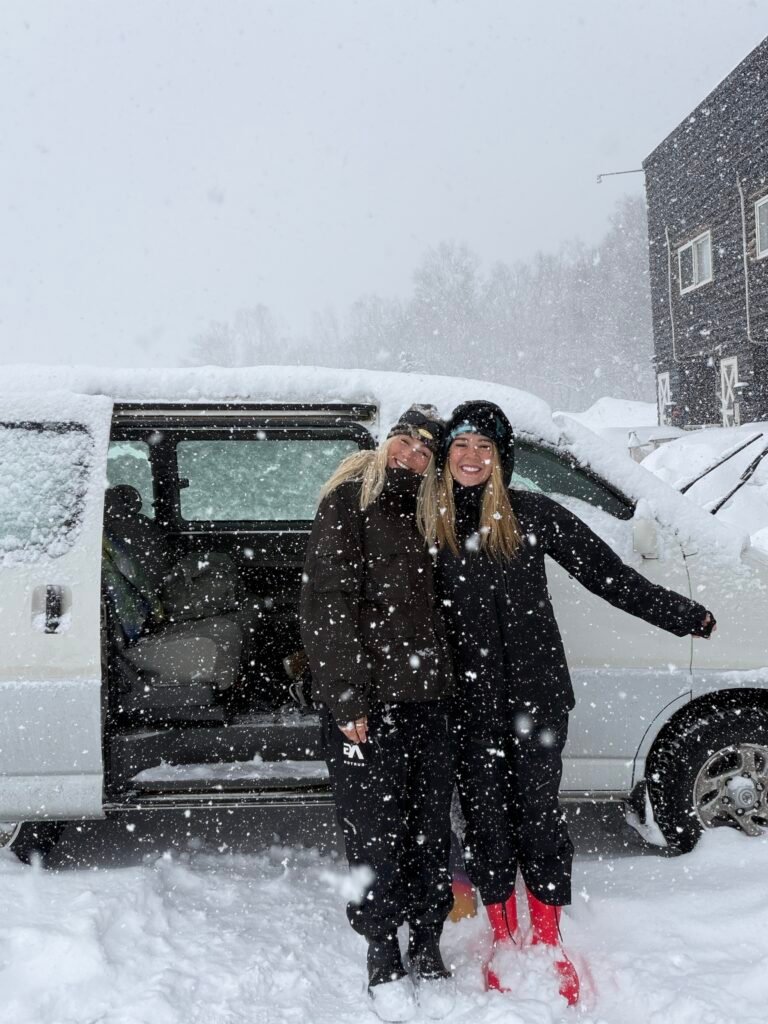
Learn from us: when we flew into Hokkaido for the last week, our bags were scheduled to arrive at our Airbnb in Niseko, nobody was there yet to accept them, and we missed our bus. We ended up jumping in a taxi (about $200) to make it in time, and I was religiously checking my AirTag the whole ride. It was stressful, lol.
Packing: learn from my mistakes
I packed way too much stuff, and it was so annoying. Then I bought so much stuff in Japan on top of that. With all the moving around, it got old fast.
Then came the worst part. I tried to ship things home, and it didn’t work because of tariffs. So on the day of my flight home, I had to go back into the city of Tokyo, track down my package (thank god I had put an AirTag in it), get it back, somehow stuff everything into my bags, and then I barely made my flight home.
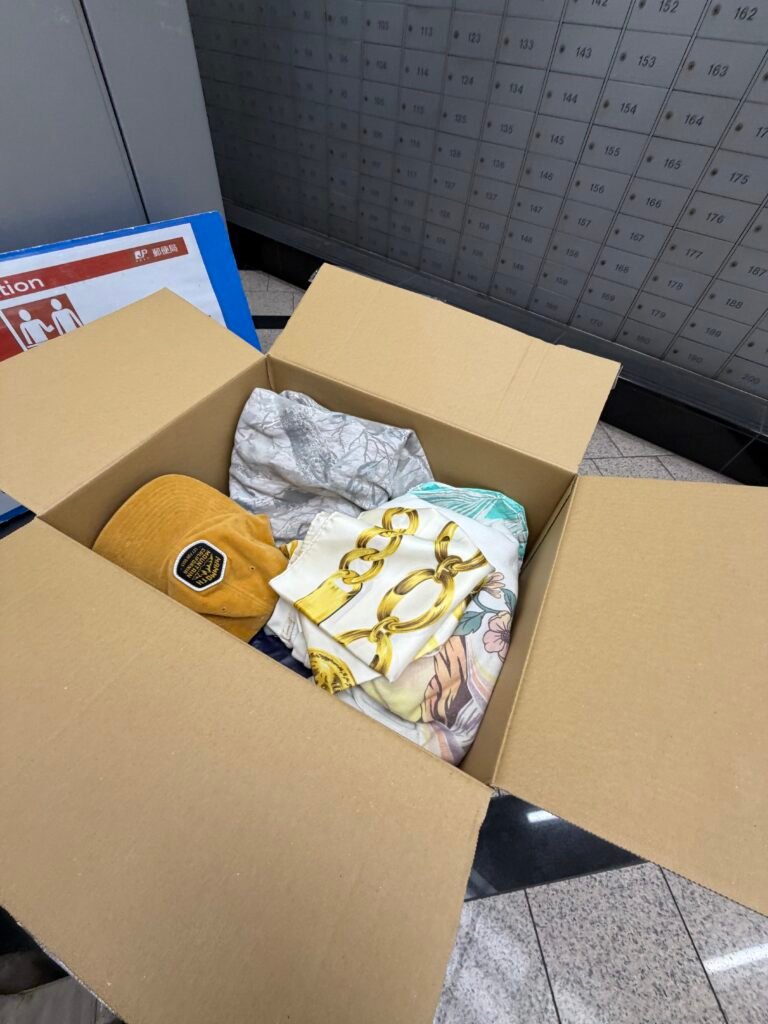
Good news: my board bag (a Dakine Low Roller in port royale) made it every single time, which was honestly so impressive. Still, I’d put AirTags in every bag you bring (and any package you ship), so you can always see where your stuff is.
Bring boots you can slip on and off
In Japan, you always take your shoes off before going inside, and you’re in ski clothes most of the time when it’s snowing. I originally brought brand-new Blundstones, and they were the biggest pain to take on and off. I caved and bought Fubukis while I was there, and I’m so glad I did. They’re so easy to get on and off, and way more convenient. I’d definitely recommend them for this trip.
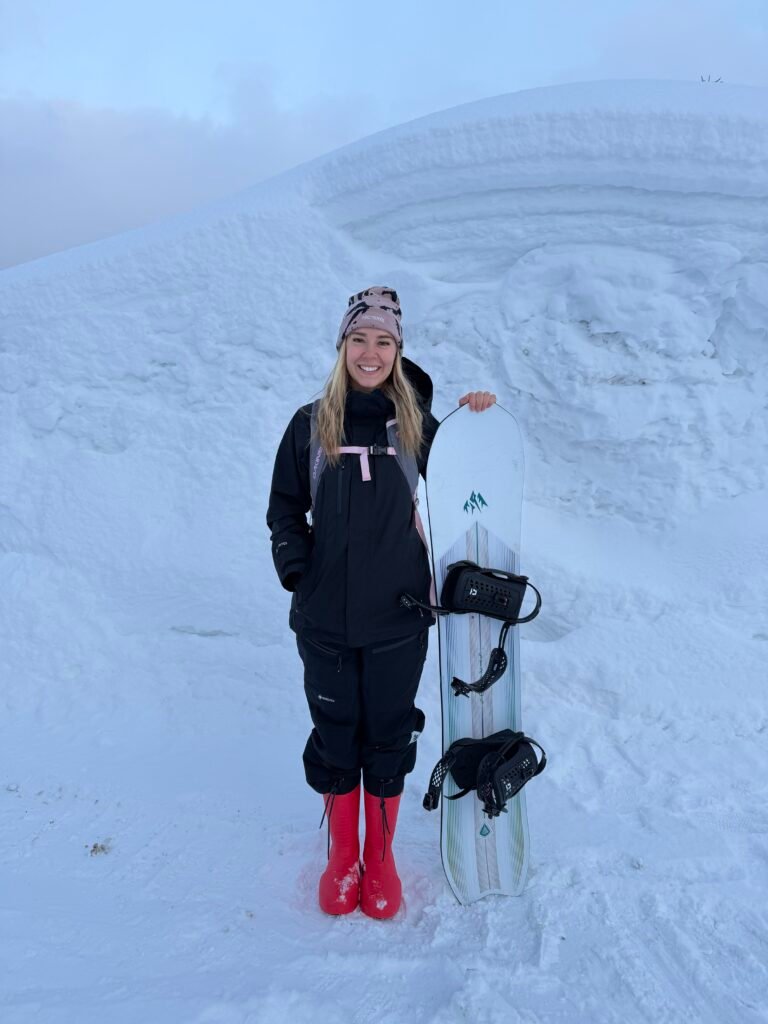
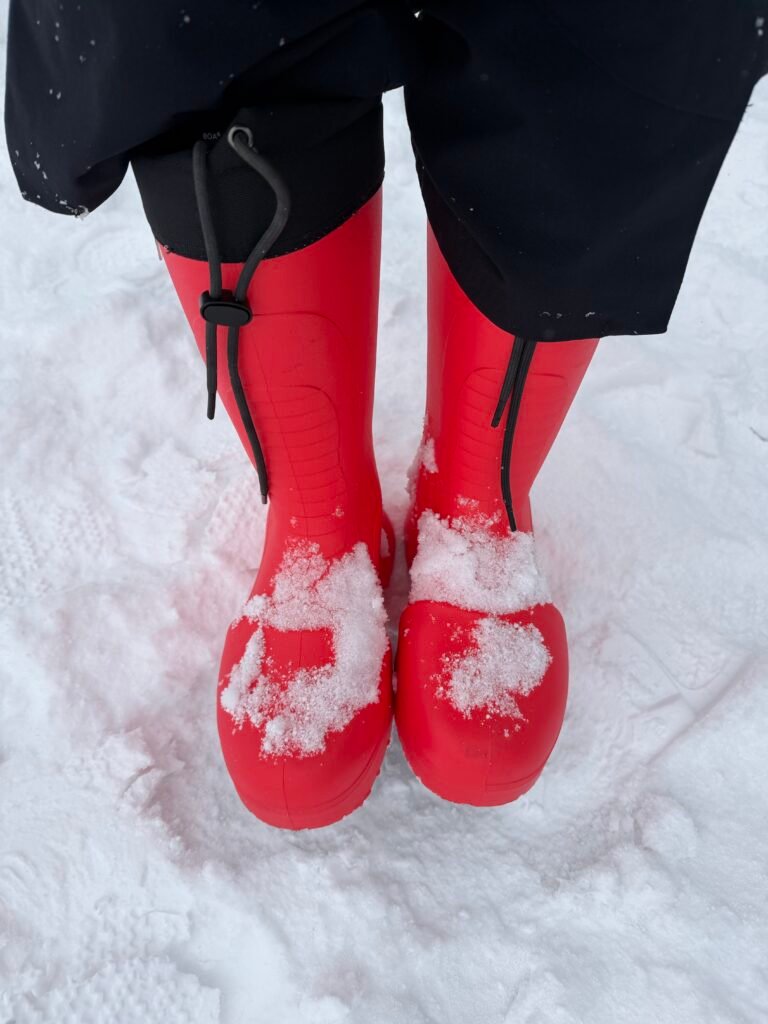
My packing advice: pack minimally, bring slip-on boots, leave room for everything you’ll buy, use Yamato to ship your big bag between stops, and don’t count on shipping things home.
Getting around cities
Once you’re in a city, everyone walks everywhere, so bring comfy shoes. The GO taxi app is basically the Uber, and Suica is the transit card. Tap out properly every single time, or your card can stop working (ask me how I know). More in my Tokyo guide.
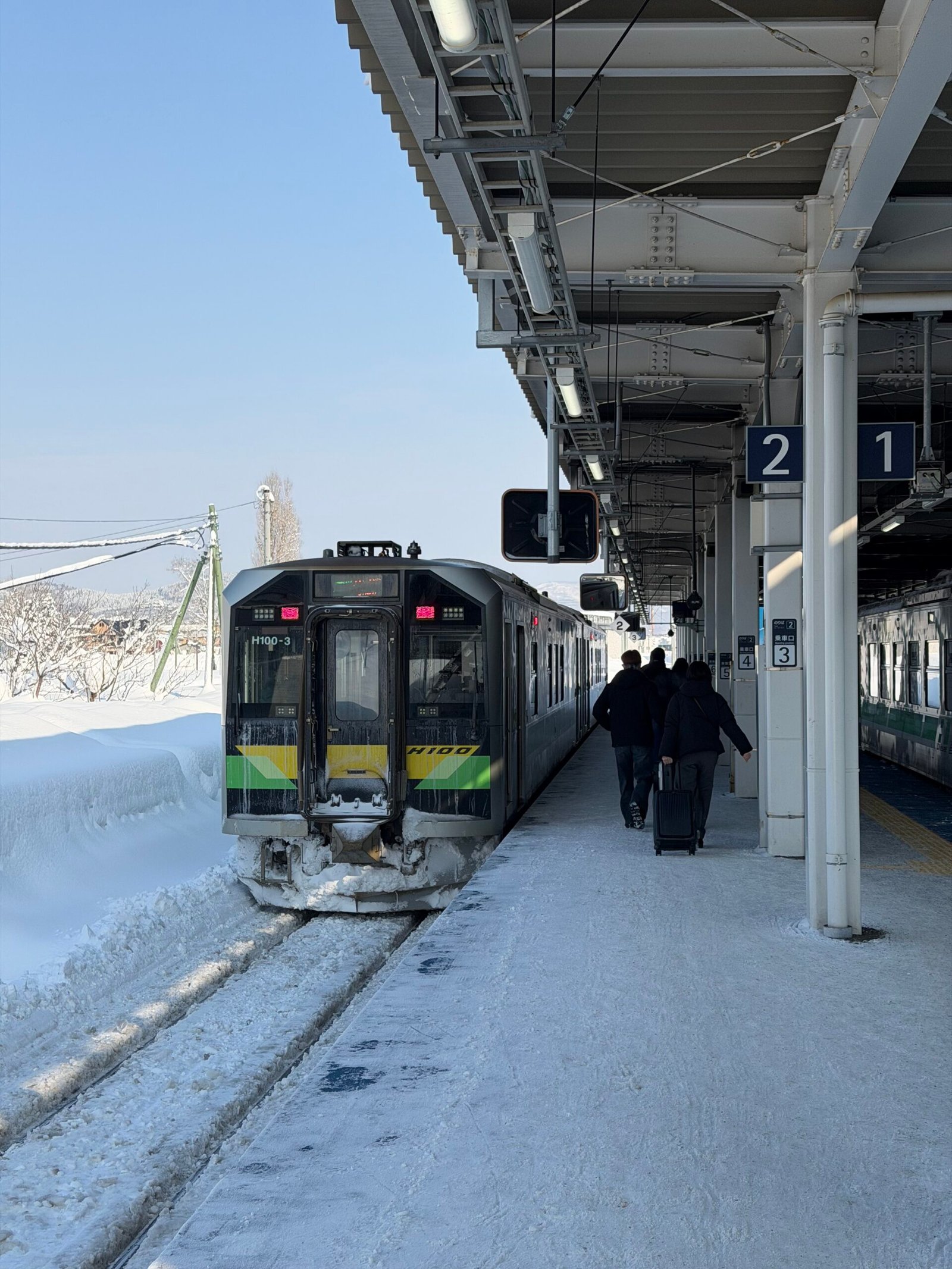
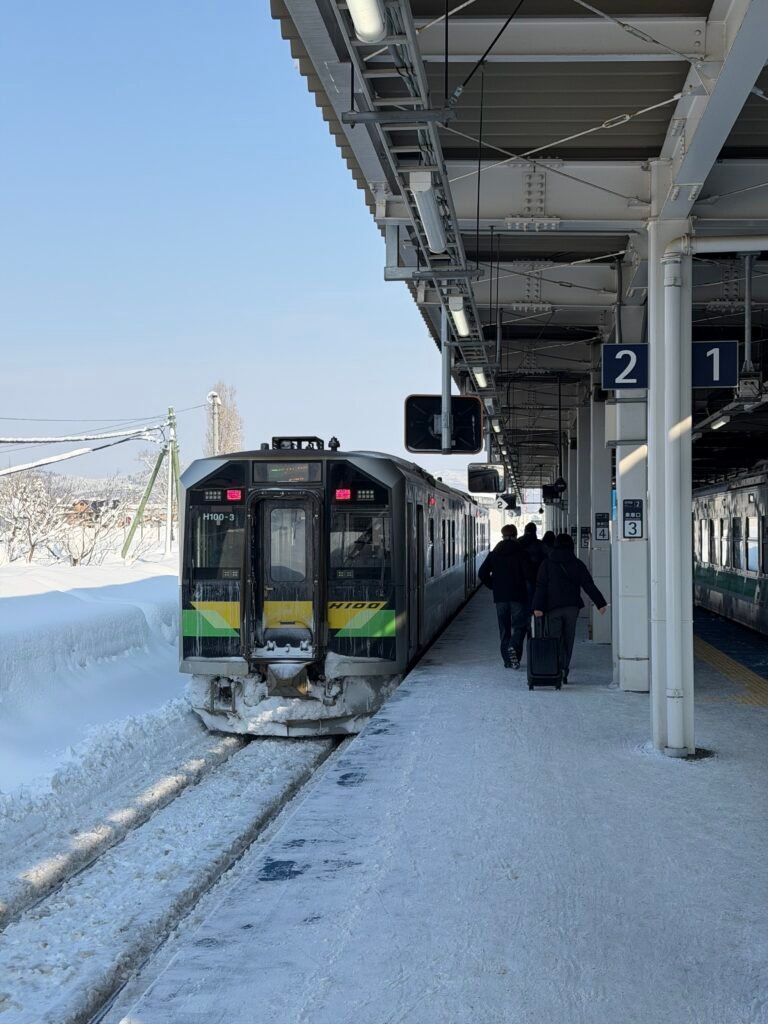
Out in Hokkaido, the local trains are mostly standing room. The seats are for elderly passengers, so plan on standing for a while, board bag and all.
FAQ: Japan with a snowboard
Can you ship luggage in Japan?
Yes. Yamato Transport (“Black Cat”) ships bags ahead to where you’re staying, usually in 1–2 days. You can drop bags at most convenience stores or ask your hotel. Someone has to be there to accept them, so a hotel is perfect. With an Airbnb, time it right (we didn’t).
How much are overweight bag fees on Japan domestic flights?
A lot of domestic airlines give you a set number of kilos and charge for every kilo over. One of my two bags cost me about an extra $120. Check your airline’s allowance before you pack, especially on budget airlines.
Can you bring a snowboard on the bullet train?
Yes, but space is tight. Bigger bags may need a reserved seat with oversized luggage space, so book it ahead. Or ship your board bag ahead with Yamato and ride the train with just a backpack.
Is the Japan Rail Pass worth it for a ski trip?
It depends on your route. The price went up a lot in 2023, so for a trip like ours with domestic flights in the mix, buying individual tickets was simpler. Add up your train legs and compare before you buy one.
Do I need cash in Japan?
Yes, carry cash everywhere you go, even in Tokyo. A lot of restaurants, shops and shrines are still cash only. 7-Eleven ATMs take foreign cards, so it’s easy to grab yen as you go.
What boots should you bring for a snowboard trip to Japan?
Slip-on boots. You take your shoes off constantly, and I ended up buying Fubukis there because my new Blundstones were such a pain.
Will my phone work in Japan?
I have Verizon on an unlimited plan and used their international plan, and it worked pretty well. I still jumped on wifi whenever I had the chance, and a few days I ran out of data, but not often. Heads up: our place in week one didn’t have wifi at all, so if you’re working remotely or use a lot of data, look into a Japan eSIM or a pocket wifi you can pick up at the airport.
Will my US chargers work in Japan?
Yes. Japan uses the same flat two-prong plugs as the US, so most US chargers work without an adapter. Bring an adapter if your plug has a third prong.
More from my Japan trip
This post is part of my three weeks snowboarding in Japan series. Start there for the full route, costs and what I’d do differently.
- Niseko guide: where to eat, drink and stay
- Backcountry snowboarding in Hokkaido
- Hakuba and the Cortina dam run
- Kyoto in 2 days
- Tokyo in 2 days
- Japan culture differences and common Japanese phrases
- How much my Japan snowboard trip cost
- How to get to Niseko from Sapporo
- Ikon vs Epic Pass for Japan

ABOUT THE AUTHOR
Hi, I’m Lindsey. I learned to dirt bike in Virginia, have been snowboarding since the East Coast and surf whenever I can, and I write the trip guides I wish I’d had.