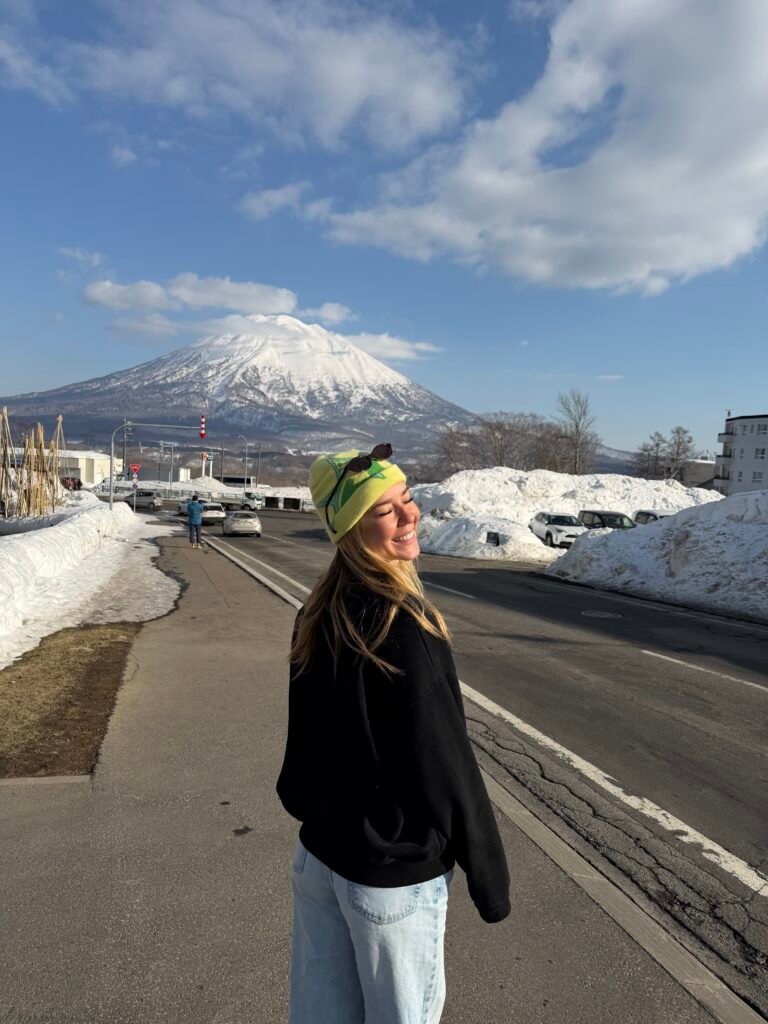
Best Time to Snowboard in Japan (and What to Expect in 2026–27)
When Japan’s powder is actually best, explained with weather data, the science behind JaPow and what forecasters say about this El Niño winter.
Some links in this post are affiliate or referral links. If you book or buy through them, I may earn a small commission at no extra cost to you.
The short answer
The best time to snowboard in Japan is mid-January to mid-February. That’s when the snowfall is heaviest, it’s coldest (so the powder is lightest), and the base is deep enough to open the trees. For this winter (2026–27), a record-strong El Niño has Japan’s weather agency leaning toward a milder winter with less snow than normal, especially on Honshu. If you’re booking now, I’d pick Hokkaido, aim for late January to late February, and avoid counting on December.
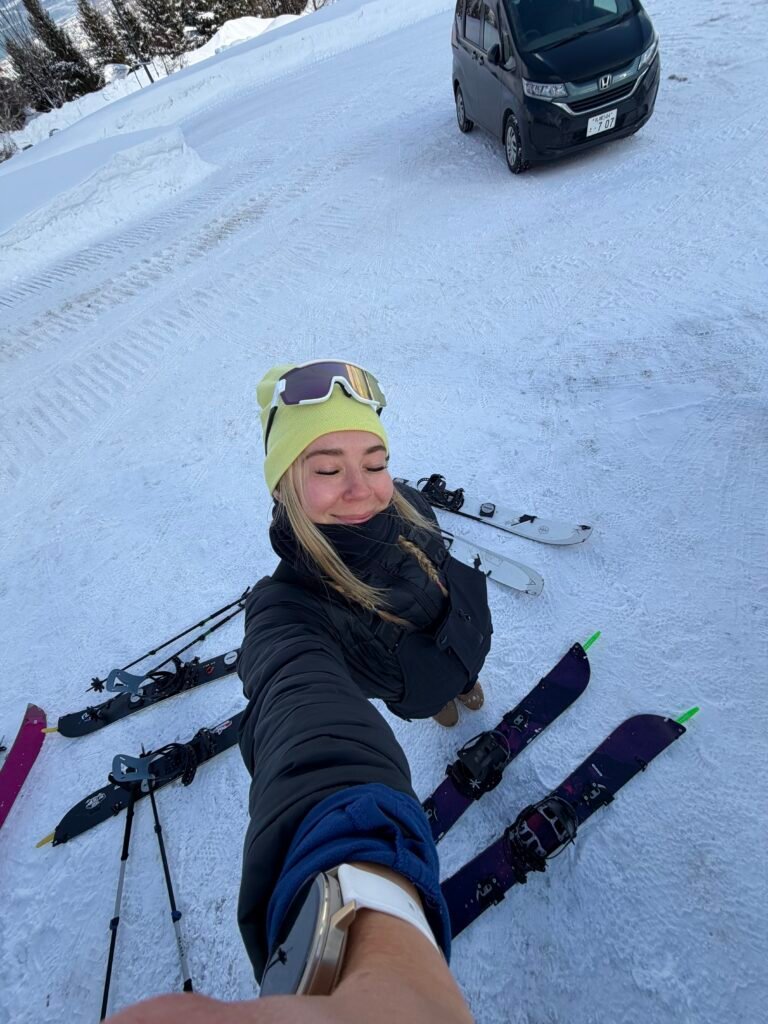
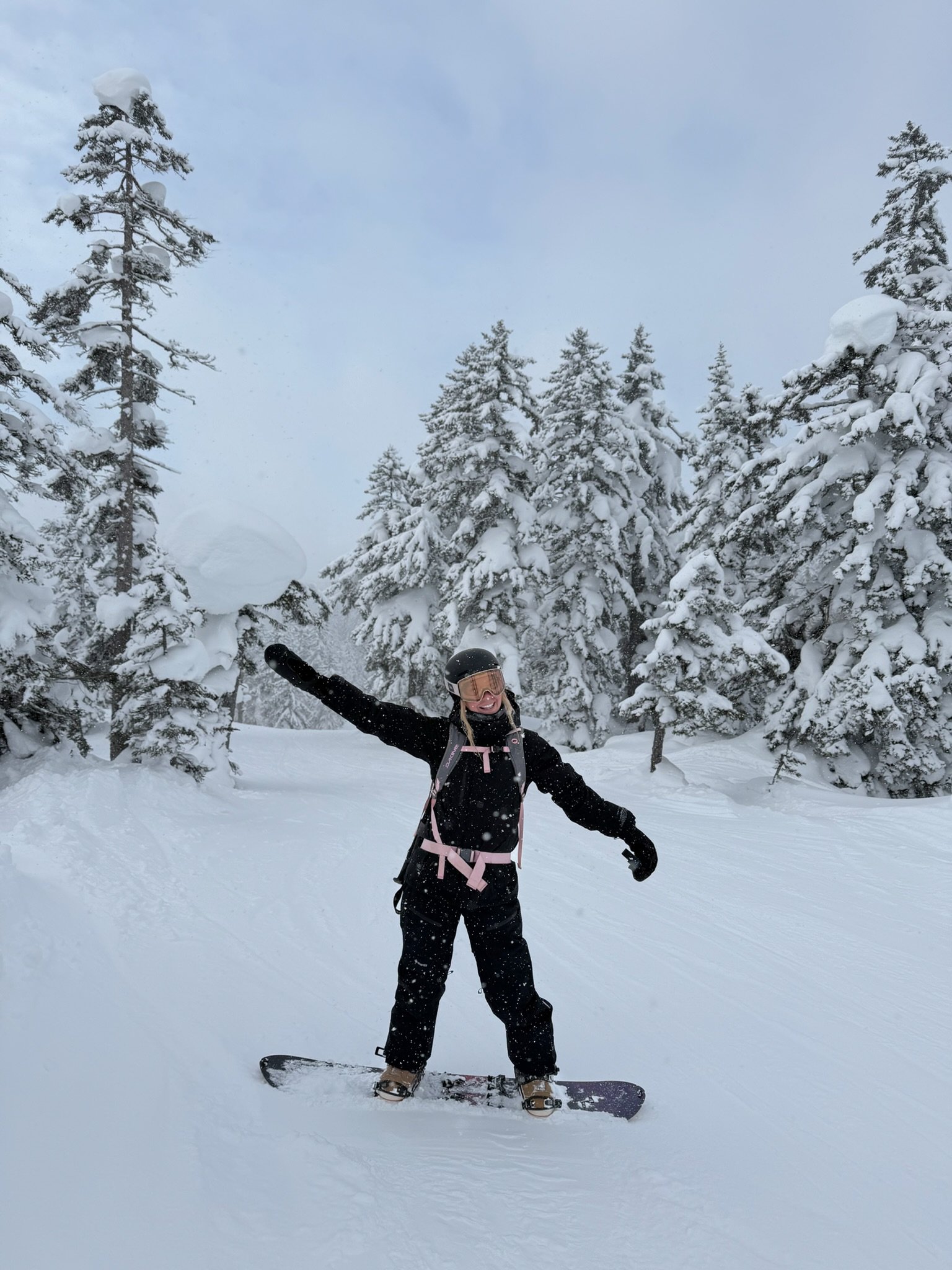
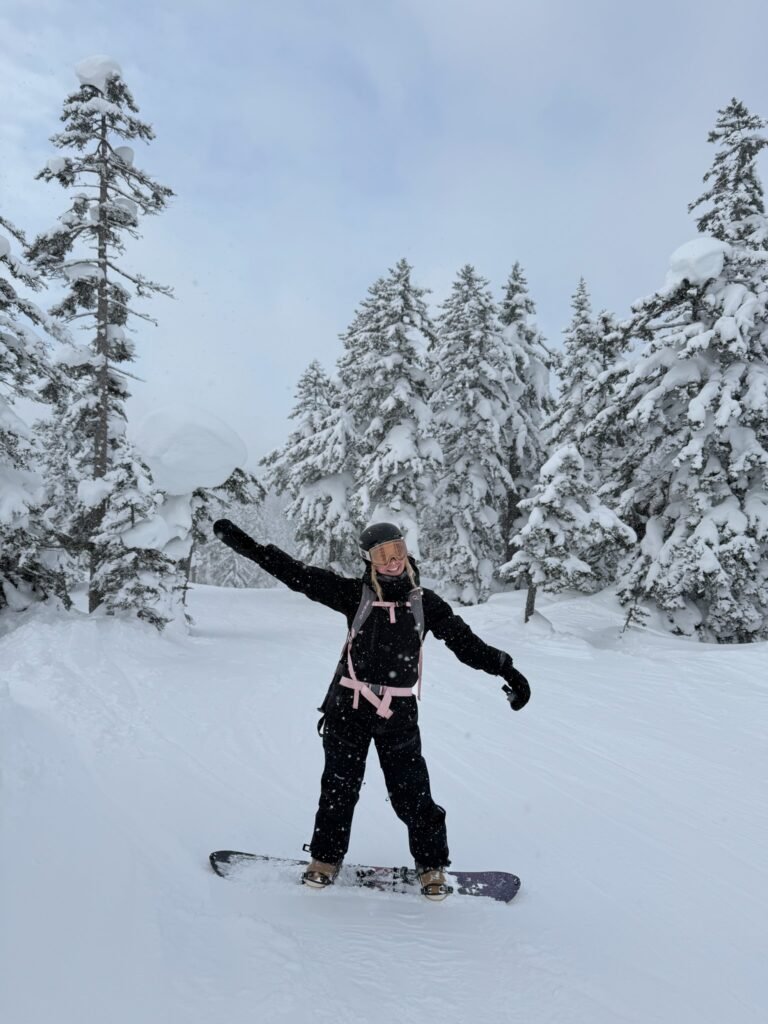
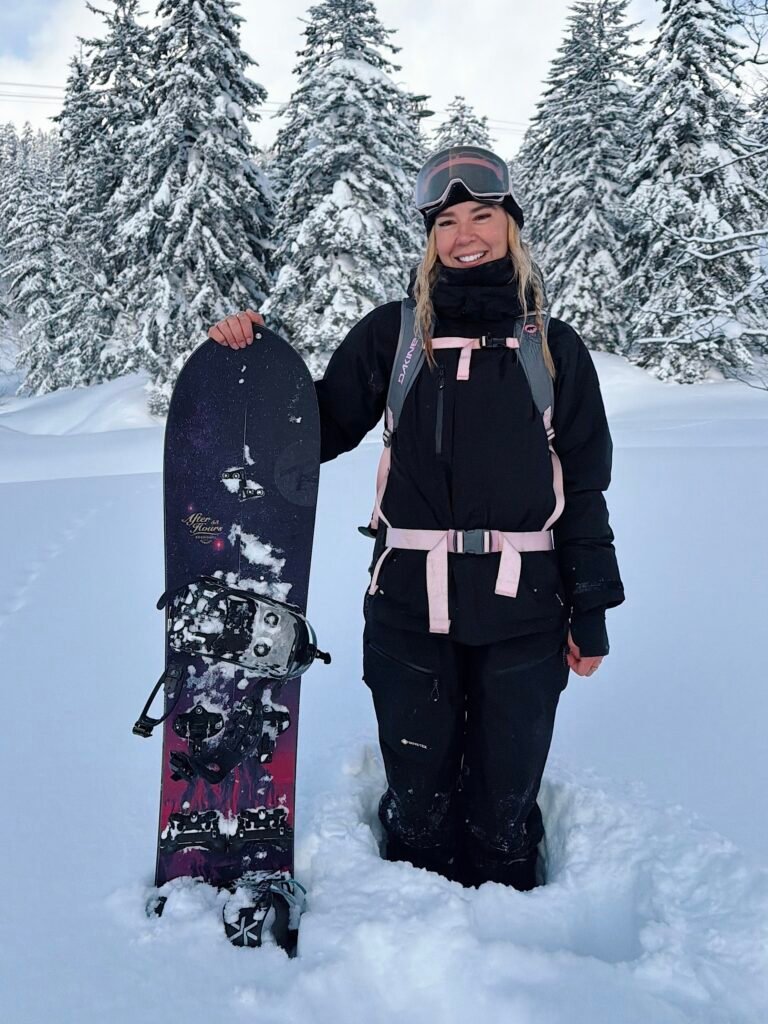
I snowboarded Japan for three weeks in February, and the difference between my first week and my last week was wild. Week one in Hokkaido was powder every single day. By late February, it was a different mountain. So before you book, here’s what the weather data, the meteorologists and people who ride there every year say about timing, plus what the forecasts are saying about this winter.
Why Japan gets so much snow (the science, quickly)
Japan’s snow comes from a pretty perfect setup, and understanding it explains almost everything about timing:
- Freezing air from Siberia. In winter, a huge high-pressure system builds over Siberia and pushes cold, dry air southeast toward Japan. This is the East Asian winter monsoon, and it’s the engine behind “JaPow.”
- A warm sea in the way. That air crosses the Sea of Japan, which stays relatively warm all winter. The air soaks up moisture as it goes. It’s the same idea as lake-effect snow, just on an ocean scale. Hokkaido Wilds notes the fetch is about 400 km of open water before Hokkaido and about 900 km before Honshu.
- Mountains that wring it out. When the moist air hits Japan’s west-facing mountains, it’s forced up, cools, and dumps snow. That’s why the Sea of Japan side (Niseko, Hakuba, Nozawa, Myoko) gets buried while the Pacific side stays much drier.
- Convergence zones. Sometimes the flow splits around mountains in Korea and comes back together over the sea, forming a band of intense snow called the Japan Sea Polar Air Mass Convergence Zone (JPCZ). OpenSnow explains these bands are behind some of Honshu’s biggest storms.
The key point for timing: all of this works best when the Siberian High is strongest and the air is coldest, which is January and February. Cold air also means low-density snow, which is why Japan’s powder is so light and dry.
Japan snowfall by month: what the data says
Here are the official 30-year averages from the Japan Meteorological Agency for Kutchan (the town at the base of Niseko) and Hakuba. These are town weather stations, so the resorts higher up get even more.
| Month | Kutchan / Niseko snowfall | Niseko avg temp | Hakuba snowfall | Hakuba avg temp |
|---|---|---|---|---|
| November | 95 cm (3 ft) | 2.9°C (37°F) | — | — |
| December | 253 cm (8.3 ft) | −3.1°C (26°F) | 130 cm (4.3 ft) | −0.1°C (32°F) |
| January | 253 cm (8.3 ft) | −5.4°C (22°F) | 216 cm (7.1 ft) | −2.8°C (27°F) |
| February | 187 cm (6.1 ft) | −4.9°C (23°F) | 174 cm (5.7 ft) | −2.4°C (28°F) |
| March | 122 cm (4 ft) | −1.0°C (30°F) | 110 cm (3.6 ft) | 1.2°C (34°F) |
| April | 17 cm (0.6 ft) | 4.9°C (41°F) | 7 cm (0.2 ft) | 7.6°C (46°F) |
Two things jump out. Niseko gets a lot of snow early, but January is its coldest month, so that’s when the snow is driest. And Hakuba runs a few degrees warmer than Niseko all winter, which is why Honshu’s snow can be heavier and more hit-or-miss, especially lower on the mountain.
Month by month: when to go
December: early season, fewer people, more risk
Snow usually starts building in earnest by mid-December, especially in Hokkaido, which tends to open earlier than Honshu. Scout Ski calls December on Honshu “hit and miss.” Early December is cheaper and quieter, but the base can be thin and off-piste terrain limited. Christmas and New Year’s are busy and expensive.
January: peak powder (yes, “Japanuary” is real)
This is the month everyone talks about. It’s the coldest month, the snowfall is consistent, and SkiJapan says January “consistently offers the highest probability” of deep powder in Niseko. Their 2025–26 recap reported over six meters of snow in January alone. Hokkaido Wilds recommends mid-January through the end of February as the best window, once the base is built.
February: deep base, still snowing
February is still prime time. The base is at its deepest, every lift is running, and it keeps snowing, sometimes 20–40 cm a day for a week or two in Hokkaido, according to Hokkaido Wilds. The catch is crowds around Lunar New Year, which falls on February 6, 2027 this season. Scout Ski suggests planning at least a week in the first three weeks of February, either before or after Lunar New Year.
March: spring, sunshine and deals
Snowfall drops off, but the base is deep, the days are longer and sunnier, and prices come down. You can still get powder days, especially in Hokkaido, but they’re more sporadic. It’s a great month if you care more about sunny laps, views and value than chasing storms.
April: spring riding
Soft spring snow, quiet slopes and cheaper places to stay. Some Hokkaido resorts still get the odd snow day, but most of Japan is in full spring mode.
Hokkaido vs Honshu: timing is different
- Hokkaido (Niseko, Rusutsu, Furano, Kiroro) is farther north and colder. It usually opens earlier, keeps lighter snow longer and holds powder into March.
- Honshu (Hakuba, Nozawa, Myoko, Shiga Kogen) can get even bigger storms, but it’s warmer, so the snow is more variable and the window is tighter: roughly early January through February.
From my own trip: Hokkaido in early February was unreal. When we got to Hakuba Cortina and Norikura in mid-February, conditions weren’t great and we only got about two days in (I was also sick, which didn’t help). Read about it in my Hakuba post.
What about this winter? The 2026–27 forecast
This season has a big asterisk: El Niño. As of NOAA’s October 8, 2026 update, El Niño is still strengthening, and there’s a greater than 83% chance of a strong to very strong event through early 2027. Some forecasters are calling it a record “Super El Niño.”
Why that matters for Japan: El Niño tends to weaken the Siberian High, which means weaker, less frequent blasts of cold air across the Sea of Japan, the exact thing that makes Japan’s snow. Mountainwatch’s long-time Japan forecaster, The Grasshopper, explains that a weaker winter monsoon can bring warmer spells and more rain events.
Here’s what the Japan Meteorological Agency’s official December–February outlook says, as reported by Ski Asia and Uchi Japan:
- Temperatures: milder than normal across most of the country. Much of Honshu, including Nagano, leans 60% toward above-normal temperatures.
- Honshu snowfall: the Sea of Japan coast (Tohoku, Hokuriku) leans 50% toward below-normal snow.
- Hokkaido snowfall: more balanced, with a 40% chance of below normal, 40% near normal and 20% above normal.
Now the reassuring part. Ski Asia looked at 73 years of records and found Niseko’s snowfall had almost no measurable relationship to El Niño years, and some of its best seasons happened during El Niño winters. And as The Grasshopper points out, an “average” season in Japan is still some of the deepest snow on the planet. These forecasts are shifted odds over three months, not a prediction for any one resort.
So when should you go this season?
Putting it all together, here’s what I’d do if I were booking for 2026–27:
- Pick Hokkaido over Honshu. It’s colder, it’s expected to fare better, and Niseko’s history shows it holds up in El Niño winters.
- Go late January to late February. El Niño is forecast to peak around December, and The Grasshopper notes its influence may ease in the second half of winter. Mid-season is also when Japan is naturally coldest.
- Don’t count on December. Early season is always riskier, and this year it lines up with El Niño’s peak.
- Plan around Lunar New Year (February 6, 2027) if you want fewer crowds.
- Book flexible. Pick refundable stays and keep an eye on forecasts. Weekly Japan snow forecasts usually start up in mid-December.
- Go high and go north. Higher-elevation resorts and northern Hokkaido handle warm spells best.
What riders and locals say
If you spend any time reading ski forums or asking people who go every year, the advice is pretty consistent with the data:
- “Japanuary” is a thing for a reason. Mid-to-late January is the most reliable bet for deep, cold powder.
- Early February is the sweet spot for a lot of people: deep base, still snowing, and before the Lunar New Year rush.
- March is underrated if you like sunshine, cheaper lodging and fewer people, and you’re okay with fewer storm days.
- Don’t book Japan for Christmas and expect guaranteed powder. Some years it’s amazing, some years it isn’t.
Japanese holidays and crowds to plan around (2026–27)
- Christmas to early January: the busiest and priciest stretch, especially New Year’s (Jan 1–3).
- Coming of Age Day: Monday, Jan. 11, 2027 (long weekend in Japan).
- Nozawa Onsen Fire Festival: Jan. 15, which packs Nozawa.
- Lunar New Year: Feb. 6, 2027. Expect big crowds and higher prices for about a week or two around it.
- National Foundation Day: Thursday, Feb. 11, 2027.
- Emperor’s Birthday: Tuesday, Feb. 23, 2027.
Best time to snowboard in Japan: FAQ
What is the best month to snowboard in Japan?
January, closely followed by February. January is the coldest month with the most consistent snowfall, so the powder is lightest. February has the deepest base and keeps snowing.
Is December a good time to ski in Japan?
It can be, but it’s riskier. Snow usually builds from mid-December, Honshu can be hit or miss, and Christmas and New Year’s are crowded and expensive. This year, El Niño makes December even less reliable.
Is March too late for Japan?
Not at all, especially in Hokkaido. The base is still deep, it’s sunnier, and it’s cheaper. You’ll just get fewer powder days.
Will 2026–27 be a good season in Japan?
Forecasters expect a milder winter with below-normal snow leaning stronger on Honshu, because of a very strong El Niño. Hokkaido is expected to do better, and historically Niseko’s snowfall hasn’t tracked El Niño closely. An average Japan season is still a lot of snow.
When is the cheapest time to ski Japan?
Early December and March into April, outside of holidays. You trade some powder odds for lower prices and fewer people.
More from my Japan trip
- Snowboarding in Japan: 3 weeks in Niseko, Hakuba and beyond
- How much my Japan snowboard trip cost
- Ikon vs Epic Pass for Japan
- Niseko guide: where to eat, drink and stay
- How to get to Niseko from Sapporo
Sources
- Japan Meteorological Agency normals for Kutchan (1991–2020), via Wikipedia
- Japan Meteorological Agency normals for Hakuba (1991–2020), via Wikipedia
- NOAA Climate Prediction Center: ENSO Diagnostic Discussion (Oct. 8, 2026)
- Japan Meteorological Agency: Seasonal forecasts
- Ski Asia: Japan’s 2026/27 winter forecast (Sept. 26, 2026)
- Uchi Japan: Japan snowfall predictions 2026–2027 (Sept. 28, 2026)
- Mountainwatch: The Grasshopper’s 2026–27 Japan snow season outlook (Oct. 8, 2026)
- Hokkaido Wilds: Guide to Hokkaido’s winter weather
- OpenSnow: Why does Japan get so much snow?
- Japan Meteorological Agency: Heavy snowfall analysis, January 2021
- SkiJapan: Niseko snow forecast guide
- Scout Ski: Best time to ski Japan, Honshu vs Hokkaido
- PublicHolidays.com: Lunar New Year 2027

ABOUT THE AUTHOR
Hi, I’m Lindsey. I’m a SoCal-based designer who’d rather be outside, usually on a dirt bike, a snowboard or a surfboard, and usually with friends.