El Zonte Surf Guide: The Breaks I Surfed in El Salvador (and the Ones Nearby)
Every break I surfed around El Zonte, El Salvador (El Zonte, K59 and Punta Roca), plus the other surf spots nearby, when to go, boards and where to stay.
The short answer
El Zonte is a small, laid-back surf town on El Salvador’s Pacific coast, about an hour from the airport. The main wave is a right-hand point that works on almost any swell, and within a short drive you’ve got a whole string of breaks, from mellow beginner waves to Punta Roca, one of the best rights in Central America. We based ourselves in El Zonte and surfed El Zonte, K59 and Punta Roca, and my friend Charlotte surfed Mizata. The water is warm year-round, so all you need is a swimsuit or a long-sleeve surf suit.
I spent eight days in El Salvador (September 24 to October 2, 2025) with friends who go down all the time, and we surfed almost every day. Here’s every break we surfed, the other spots nearby worth knowing about, and the practical stuff: when to go, getting there, renting boards and where to stay.
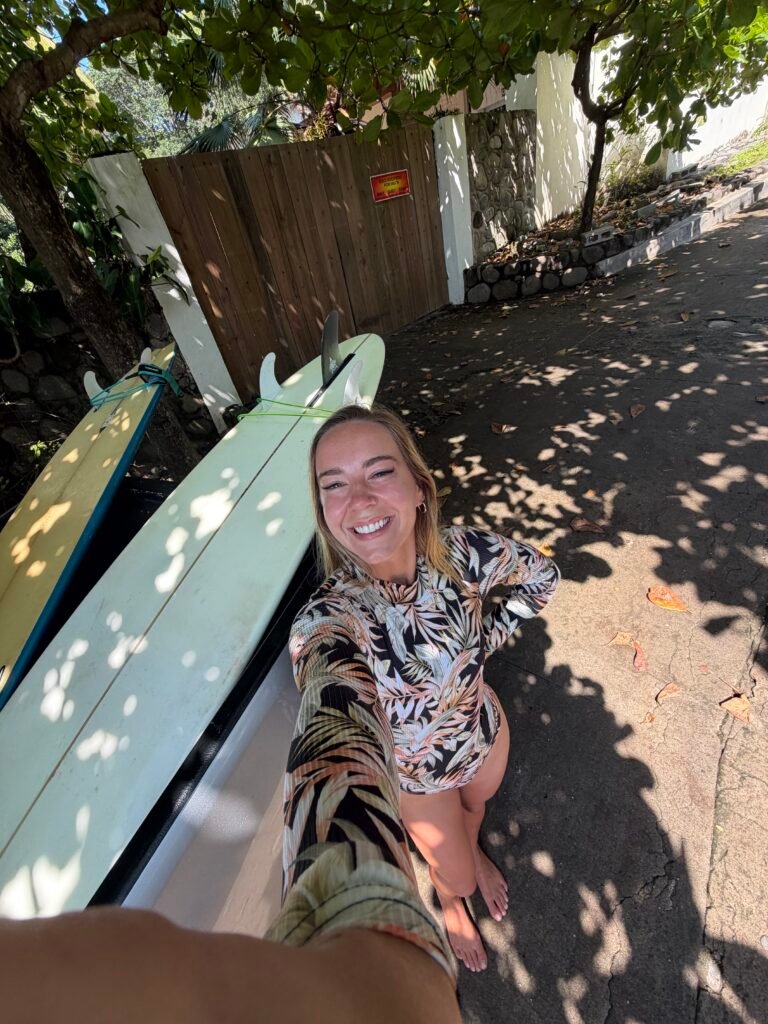
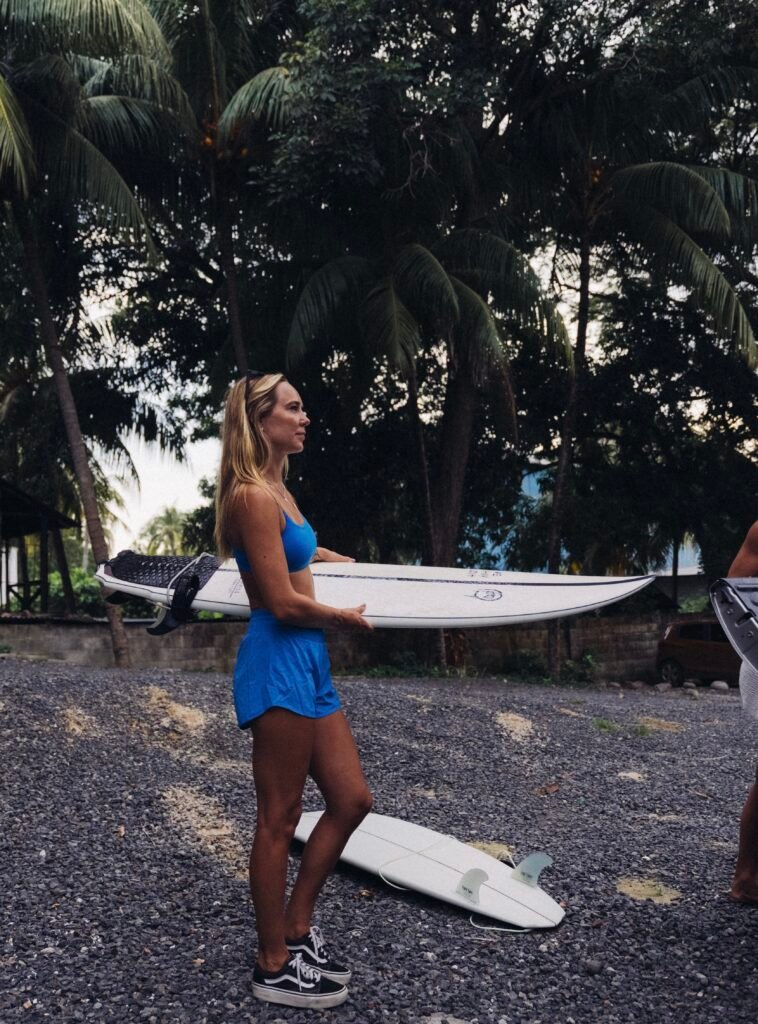
Where El Zonte is (and why base yourself there)
El Zonte sits on the Carretera del Litoral in La Libertad, in the stretch of coastline El Salvador markets as “Surf City.” It’s about an hour’s drive from the international airport (SAL). The road follows the coast, so most breaks are a quick drive east or west.
Compared with El Tunco, which is about 20 minutes east and known for nightlife, El Zonte is quieter and more about surfing, yoga and long dinners. It’s a good middle base: you can drive west to K59 and Mizata or east to Sunzal, El Tunco and Punta Roca.
The best way I can describe the vibe of El Zonte, and El Salvador in general: it’s Costa Rica before it got popular.
The breaks I surfed
El Zonte
The main wave in town is a right-hand point over a rocky bottom, and it works on just about any swell direction. The inside is forgiving, which makes it good for newer surfers on smaller days, while bigger swells give intermediate and advanced surfers longer, faster rides. There’s also a beach break if the point is busy.
Honest take: the waves here were a little more advanced than I expected. I’m somewhere between a beginner and an intermediate surfer, so I ended up hiring a surf coach for part of the trip to make my time in the water worthwhile. If you’re newer to surfing, plan on a few lessons or a coach, and pick the smaller days and the inside of the point.
K59
Just west of El Zonte at kilometer 59 of the coastal highway (hence the name), K59 is a right-hand point over rocks. It tends to be best on a mid to incoming tide. K61, right next door, is another right point that needs a more specific swell and tide and breaks less often.
K59 was great, but it is super, super rocky. That’s where we had our surf lesson, and I got a ton of waves. Another time I went out on my own and got pushed into the shallow section with the rocks, which was kind of scary for a bit, until I followed another surfer back out. My arms were trashed by the end of that session, lol. I’d call it an intermediate to advanced spot for sure, so if you’re newer, go with a coach.
Mizata
Mizata is farther west and noticeably quieter, with a right point plus A-frame peaks on the beach that go left and right. It’s a good option when the closer breaks get crowded, and the black-sand beach is beautiful.
Only Charlotte surfed Mizata on our trip, so I can’t speak to it firsthand. Conditions weren’t great while we were there, but it looked like it would be a great spot on a better day.
La Paz and Punta Roca
La Paz is the inside section of the famous Punta Roca point in La Libertad, about 30 minutes east of El Zonte. It’s softer and slower than the main point, so it’s popular with longboarders and beginners. Punta Roca itself, just outside, is a world-class right: fast, hollow and usually best left to advanced surfers.
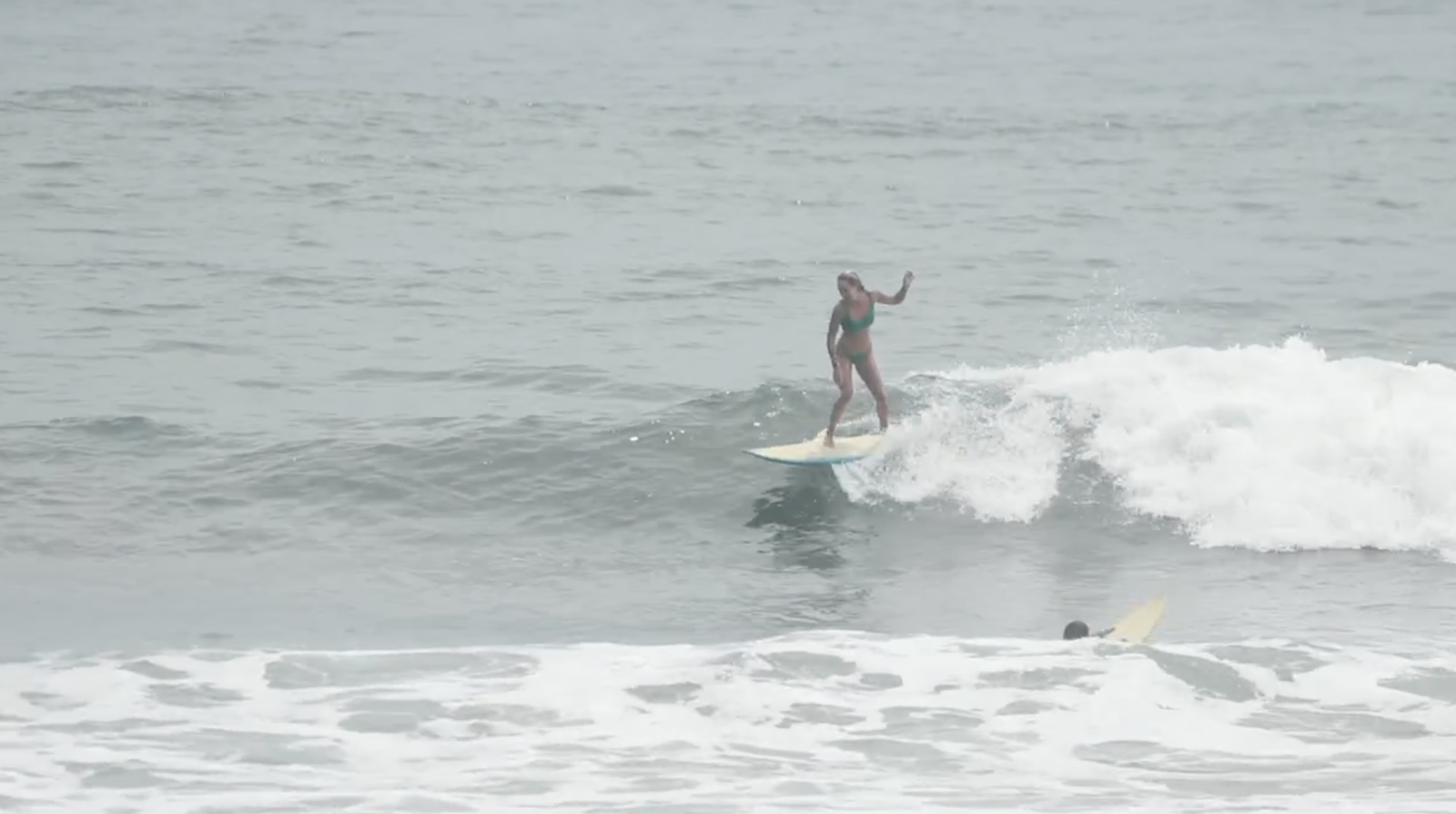
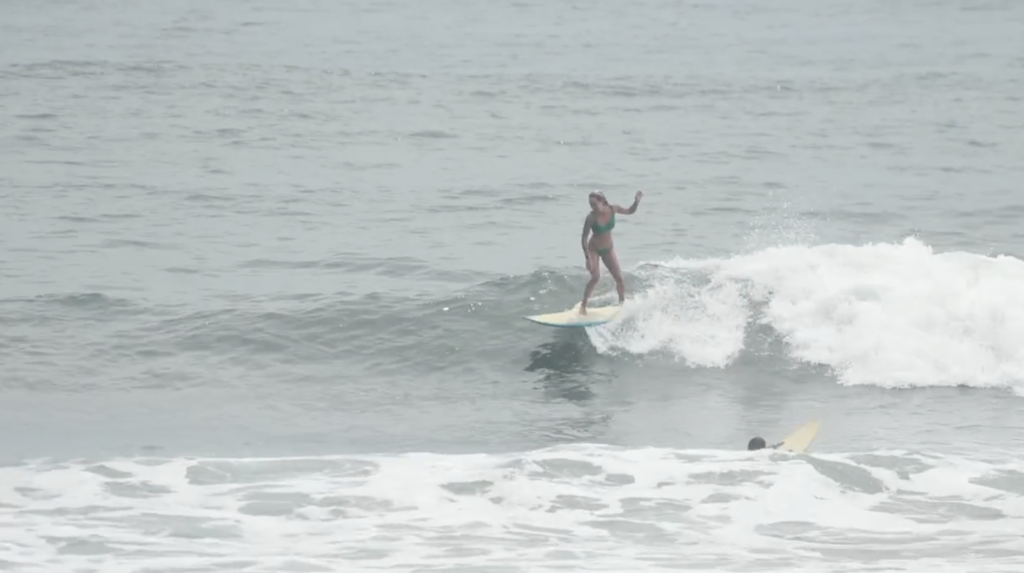
La Paz wasn’t breaking well the day we went, so we paddled out to Punta Roca instead. There was a small group of kids out, and once they left, it was literally us and one local, who was really nice. We got some waves there! I think we got it on a really mellow day, though. Punta Roca is usually much more crowded and much heavier than that, and on a normal day I probably wouldn’t surf there.
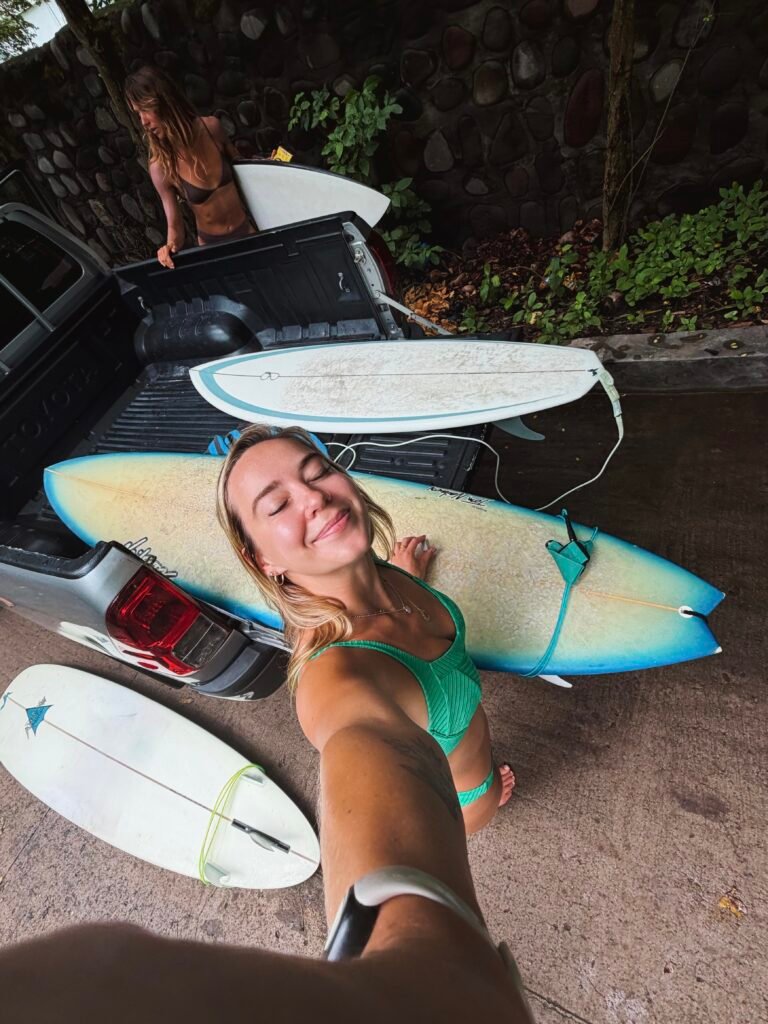
Other surf spots near El Zonte
We didn’t surf these, but they’re all within a short drive, and you’ll hear about them as soon as you arrive:
- Palmarcito: a small, sheltered beach break just east of El Zonte. It’s one of the gentler waves on this stretch, so it’s a good place for beginners.
- El Sunzal: a long right point with a few sections that suit different levels. The inside is beginner-friendly and the outside is for experienced surfers. It’s very consistent, so it gets crowded with surf schools.
- El Tunco: a lively town with rights near the famous rock and lefts farther out. Come for the waves, stay for the street food and nightlife.
- La Bocana: a fast left at the river mouth right by El Tunco. It works on most tides and is best for experienced surfers.
- Las Flores and Punta Mango: farther east, about two and a half to three hours from the airport. Las Flores is a long right point in a cove; Punta Mango is a heavier right usually reached by boat. Worth a separate trip if you have time.
Surf spots at a glance
| Break | Wave | Best for | From El Zonte |
|---|---|---|---|
| El Zonte | Right point, rock | All levels (inside is gentle) | In town |
| K59 / K61 | Right points, very rocky | Intermediate to advanced | About 10 min west |
| Mizata | Right point and beach peaks | Intermediate | Farther west |
| Palmarcito | Beach break | Beginners | About 5 min east |
| El Sunzal | Long right point | All levels (by section) | About 20 min east |
| El Tunco | Rights and lefts | Intermediate | About 20 min east |
| La Bocana | River-mouth left | Advanced | About 20 min east |
| La Paz | Inside of Punta Roca | Beginners, longboarders | About 30 min east |
| Punta Roca | Fast right point, rock | Advanced | About 30 min east |
Drive times are rough and depend on traffic and where you stay.
When to go
There are really two seasons. May through October is the rainy season and also the bigger-swell season, with long-period south swells, glassy mornings and storms that tend to roll in later in the day. November through April is the dry season, with smaller, cleaner waves that are friendlier for beginners and intermediates.
We went at the end of September, right in rainy season. Most days were sunny, and then the sky would just open up for a bit. The water is warm year-round (roughly 80 to 85°F), so you don’t need a wetsuit. Surf early: mornings are usually the cleanest before the wind picks up.
Getting to El Zonte
Fly into El Salvador International Airport (SAL). From there, El Zonte is about an hour by car. Most hotels and surf camps can arrange a private transfer or a taxi, and if you’re on a tight budget there are local buses (slow, but cheap).
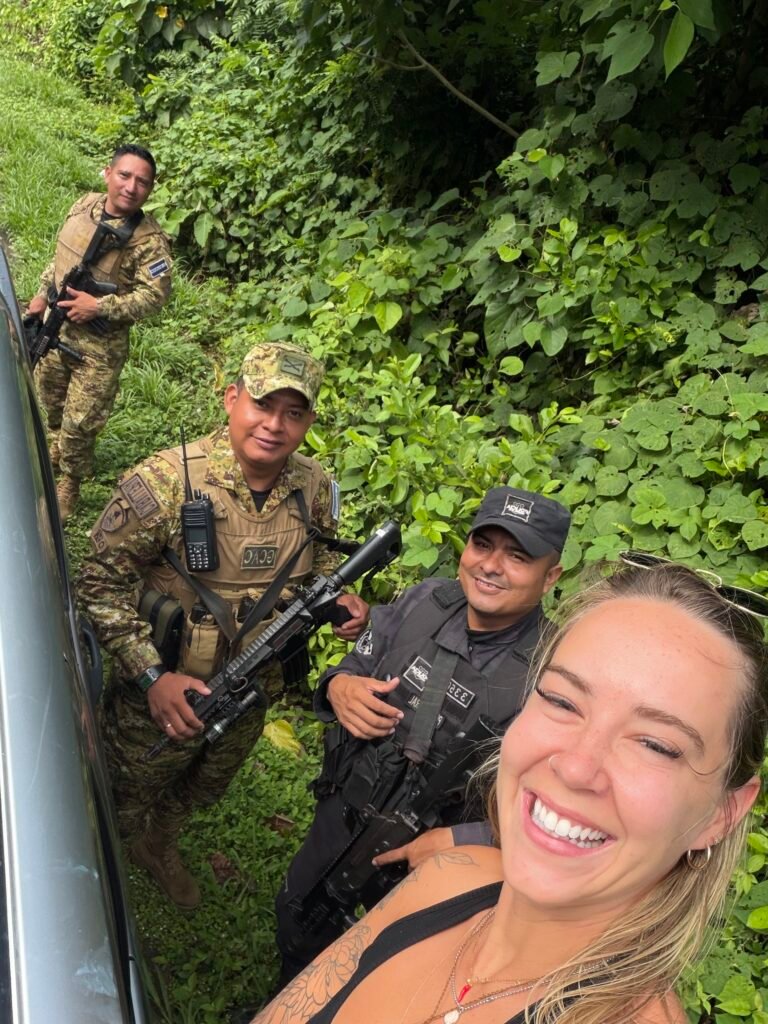
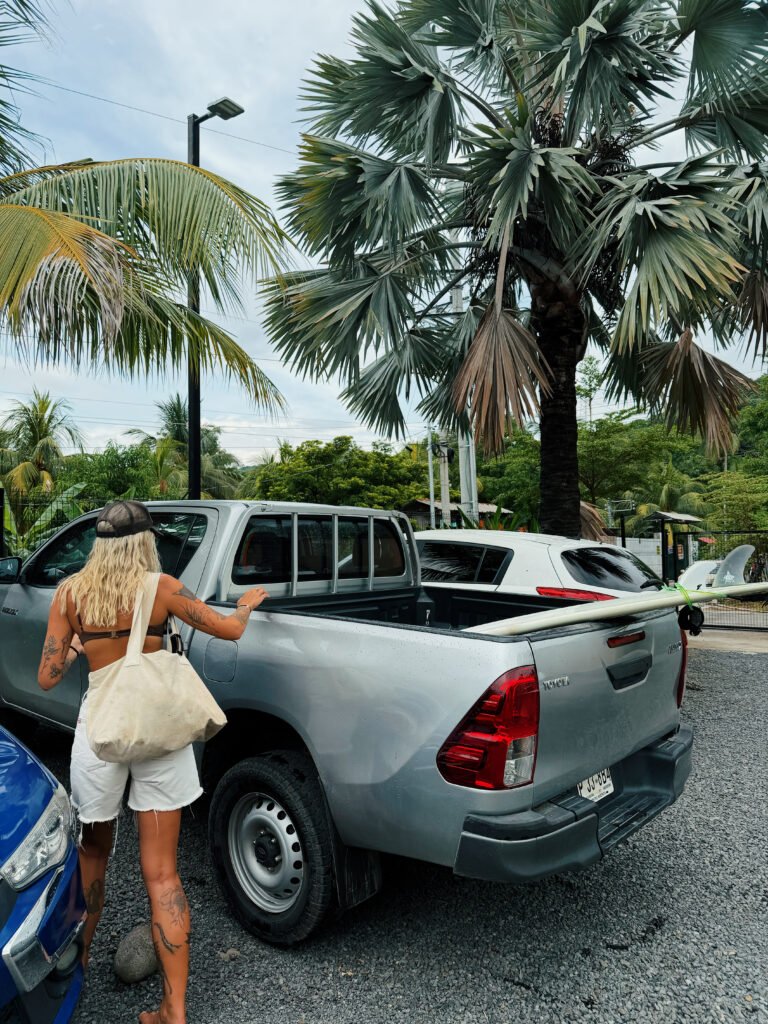
We had a truck, which made it easy to chase waves up and down the coast with the boards in the back. If you drive, know two things: there are police and military checkpoints, which are normal, and El Salvador has a zero-tolerance drunk-driving law. I wrote more about both in my El Salvador safety post.
Heads up: Google Maps isn’t always accurate here. Maybe it was just our situation, but Maps told us a road in town was closed, so we took an hour-long detour on the way from the airport to El Zonte. Later in the trip we drove through that same spot and saw there was just a detour. If something looks off, ask your hotel or driver before you reroute.
Renting boards and taking lessons
You don’t need to bring a board. There are rental shops and surf schools all along this coast, and day rentals are cheap, often around $10 to $20, with discounts for multi-day rentals. Lessons usually run about $25 to $35 with a board included.
We rented our boards from Escuela de Surf Los 3 Hermanos, right down the road in El Zonte.
Where to stay in El Zonte
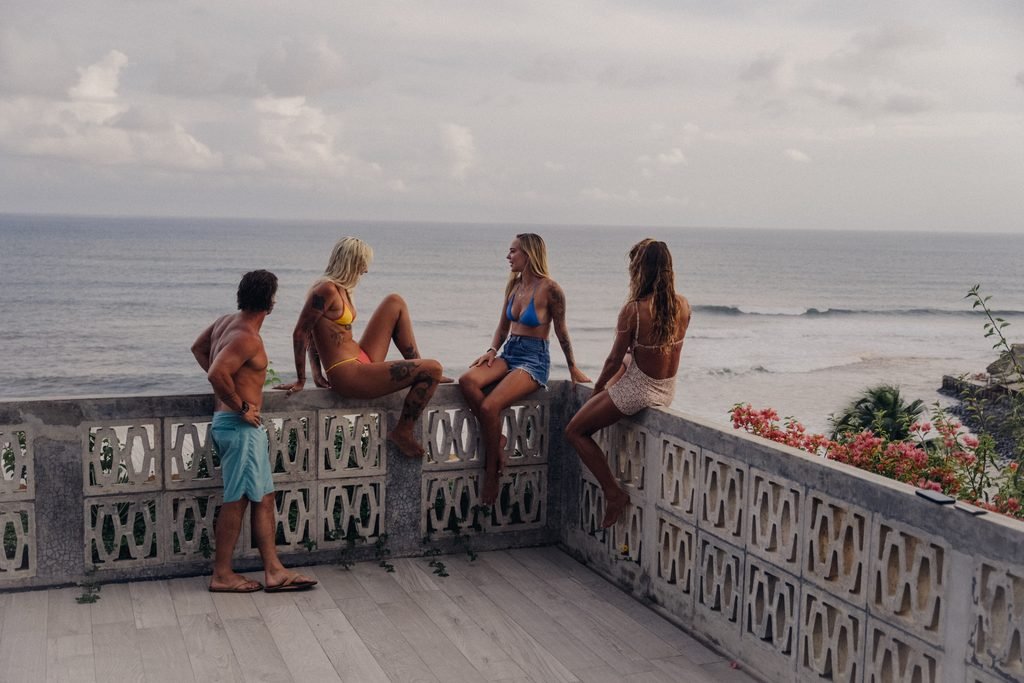
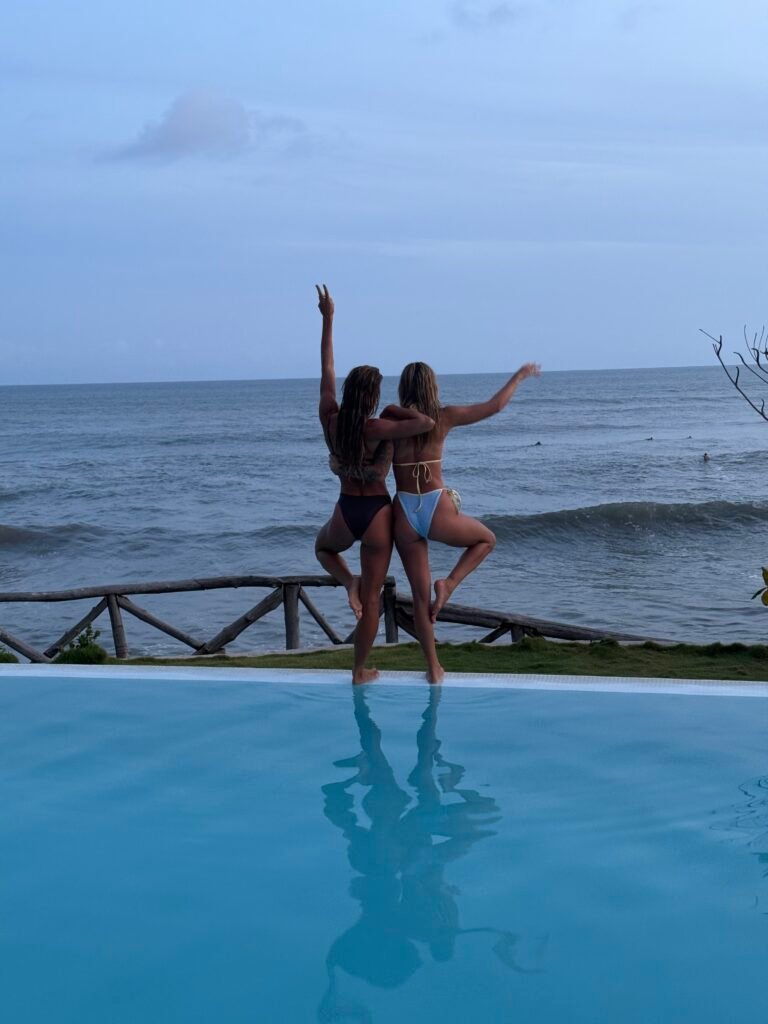
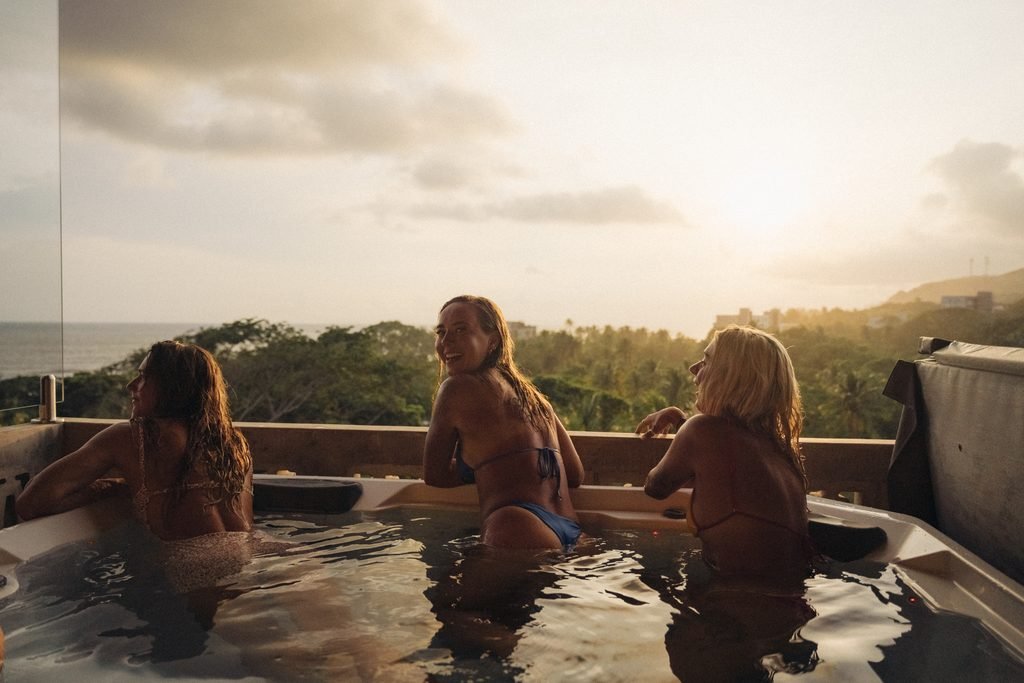
We stayed at Wave House in El Zonte, and we loved it. It was so nice, with a balcony looking right out at the ocean, and the board shop we used was right down the road. There’s also an infinity pool looking out at the Pacific and a big rooftop deck. You can also book direct on their website.
Other places we recommend
Puro Surf Hotel & Performance Academy: this place was cool because they do skate lessons to help improve your surfing. If you want to actually get better while you’re there, it’s a great pick.
Places to stay in El Zonte
Prices update live. If you book through this map, I may earn a small commission at no extra cost to you.
If you want more nightlife, stay in El Tunco and drive to the waves. If you want somewhere even quieter, look around Mizata.
Food tip: places close early
Restaurants close by around 8 to 10 p.m., so if you get in late, don’t expect to find dinner. Ask your hotel to order some food to your room ahead of time so you have something to eat when you arrive, lol.
Other things to do around El Zonte
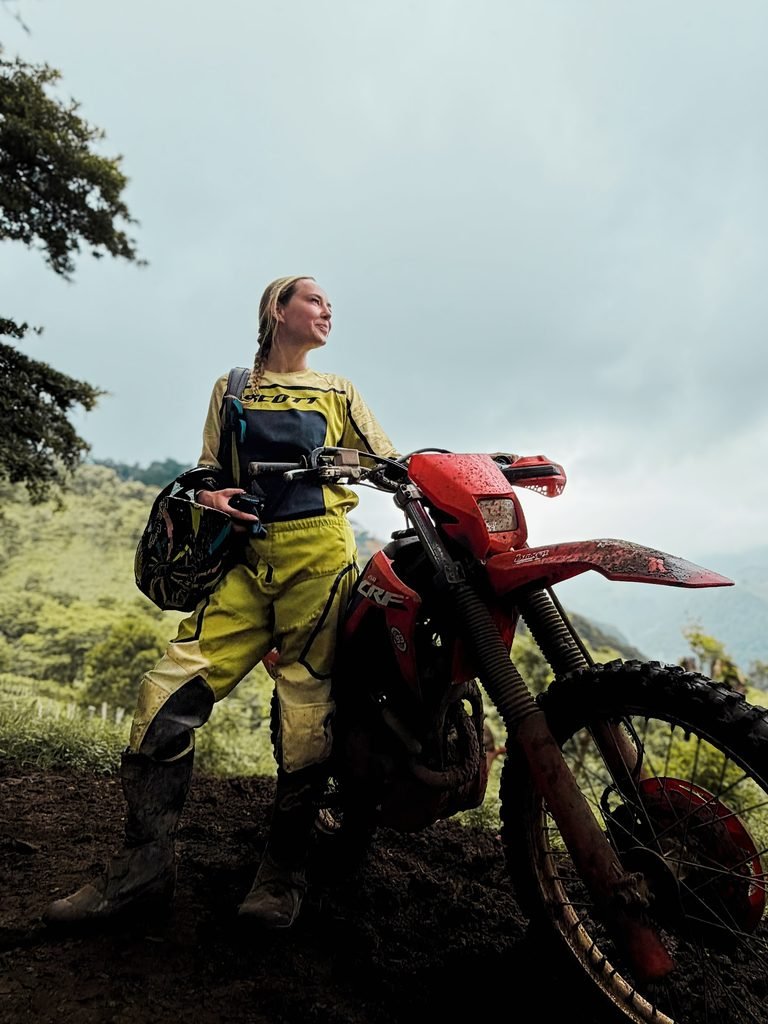
- Go dirt biking. One of my favorite days of the whole trip was a dirt bike ride through the mountains from El Zonte, on old roads past coffee farms.
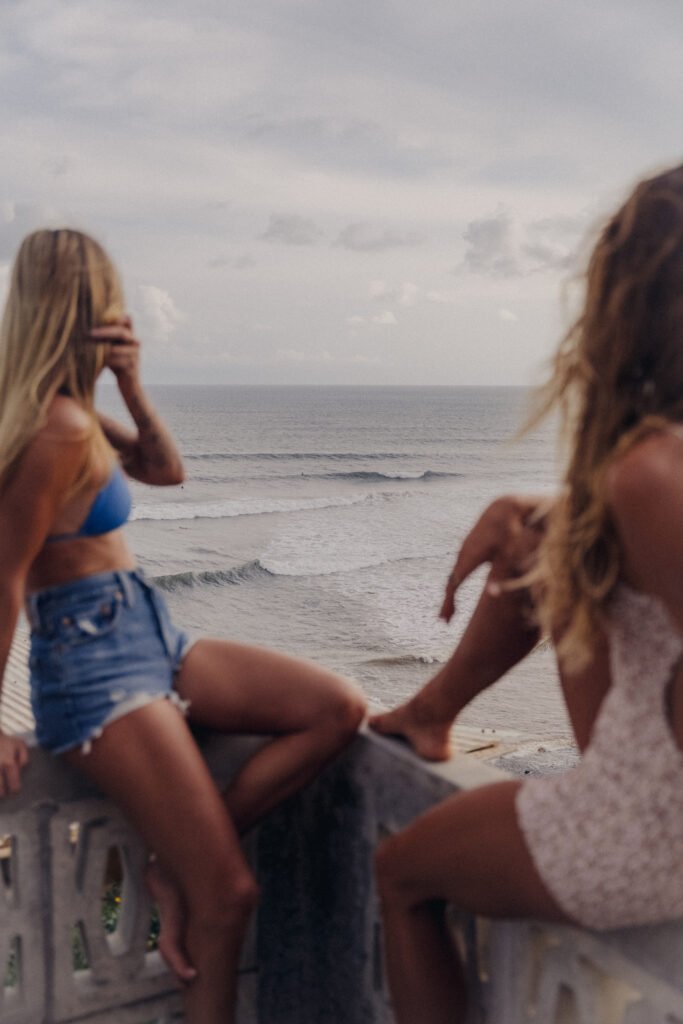
- Watch the sunset. The sun drops right over the hills and the ocean, and every night is a show.
- Head to El Tunco. It’s about 20 minutes away and has the most going on after dark.
What to pack
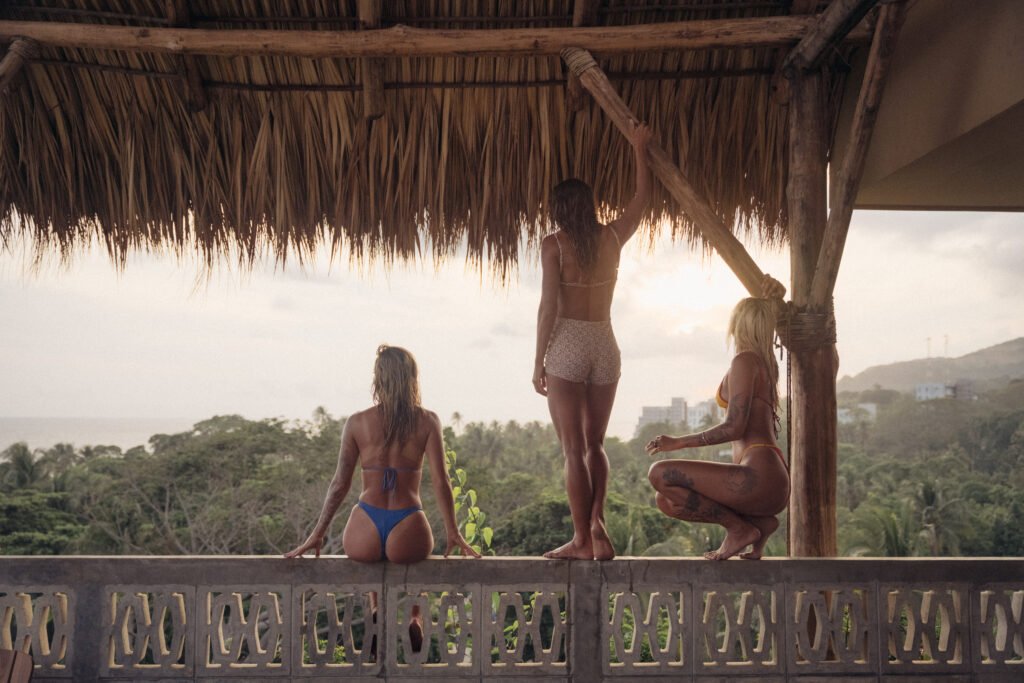
Pack light and quick-drying: swimsuits, a long-sleeve surf suit for sun protection, reef-safe sunscreen, a rain jacket if you’re going in the wet season, and electrolytes for the heat. Here’s exactly what I packed for El Salvador.
El Zonte surf FAQ
Is El Zonte good for beginners?
On smaller days, yes, but the waves can be more advanced than you might expect. As a beginner/intermediate surfer, I hired a coach to make the most of it. The inside of the point is the most forgiving, and Palmarcito and the inside of El Sunzal are close by for true beginners. On bigger swells, the point is better for intermediate surfers and up.
When is the best time to surf in El Salvador?
May to October brings the biggest, most consistent swells, while November to April is smaller and cleaner, which suits beginners. There are waves year-round.
Do you need a wetsuit in El Salvador?
No. The water is around 80 to 85°F all year. A swimsuit or a long-sleeve surf suit (for sun and rash protection) is all you need.
How far is El Zonte from the airport?
About an hour by car from El Salvador International Airport (SAL).
Is El Zonte or El Tunco better?
It depends on what you want. El Zonte is quieter and more focused on surfing, while El Tunco has more bars, restaurants and nightlife. They’re only about 20 minutes apart, so you can easily surf and hang out in both.
Is El Zonte safe?
I felt safe the whole trip. I wrote a whole post on it: Is El Salvador safe to visit?
Sources
- Puro Surf: El Salvador surfing guide
- Escape Surf Travel: El Salvador surf breaks
- On Me Travel: Surf City El Salvador

ABOUT THE AUTHOR
Hi, I’m Lindsey. I’m a SoCal-based designer who’d rather be outside, usually on a dirt bike, a snowboard or a surfboard, and usually with friends.